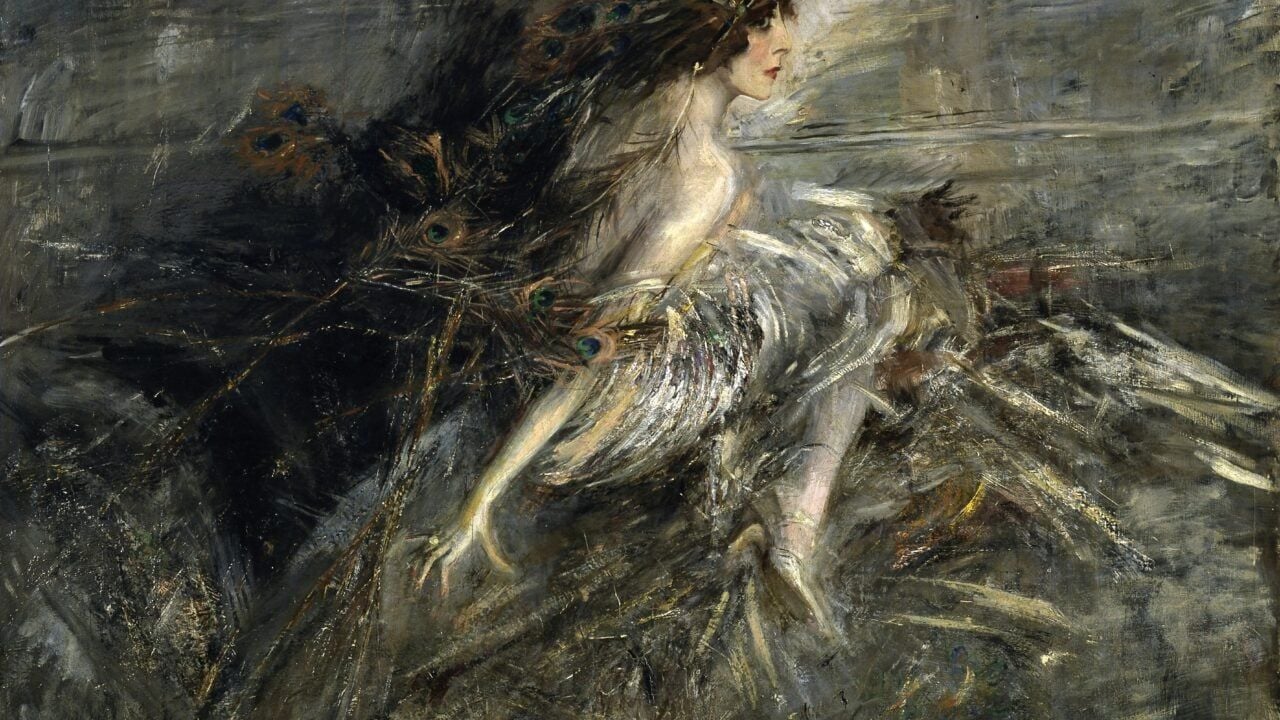
Women appear as both subjects and makers of images in LEI: Portraits of Women, from Van Gogh to Modigliani and Beyond. At Parma’s Palazzo del Governatore from 2 October 2026 to 8 March 2027, the exhibition brings together portrayals of women by artists working in different periods and asks how the picture changes when women are among those making the work.
Curated by Renata Cristina Mazzantini and Cesare Biasini Selvaggi, and produced by the City of Parma and Rome’s Galleria Nazionale d’Arte Moderna e Contemporanea (GNAMC), the exhibition draws more than sixty works from the gallery’s collections. Paintings, sculptures, drawings, photographs and tapestries fill thirteen rooms.
Among the paintings are Amedeo Modigliani’s portrait of Hanka Zborowska and Martha Stettler’s Lettrice, made between 1910 and 1911. Alberto Savinio’s portrait of Palma Bucarelli shows a woman who was not only the subject of a work in the collection, but also a former director who helped shape the gallery’s history.
Women artists are represented across several forms: from sculpture by Antonietta Raphaël Mafai to Dora Maar’s 1935 photograph Statue de femme, alongside work by Francesca Woodman, Vanessa Beecroft and Marinella Senatore.
Across seven thematic sections, works from different periods explore the female figure as an ideal, the relationship between body and identity, intimacy and the possibility of speaking for oneself. The exhibition considers both how women have been represented and the artistic approaches of women who make images.
The exhibition coincides with the eightieth anniversary of women gaining the vote in Italy. The GNAMC presents it not as a straightforward history of emancipation, but as a way to examine changes in how women have been seen, imagined and portrayed.