Mirabilia.
Human stories. Interviews, case studies, people.
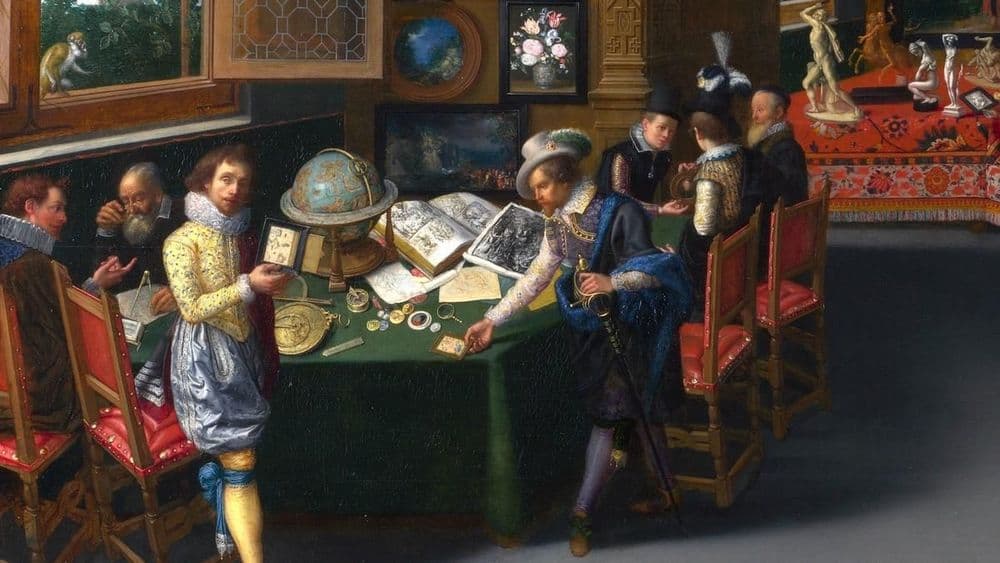
From the cabinet of curiosities to the modern museum
In the seventeenth century, the Tradescants filled their London home with shells, animal specimens and artefacts from around the world. Their catalogue shows how they organised the collection before it became part of the Ashmolean Museum in Oxford.
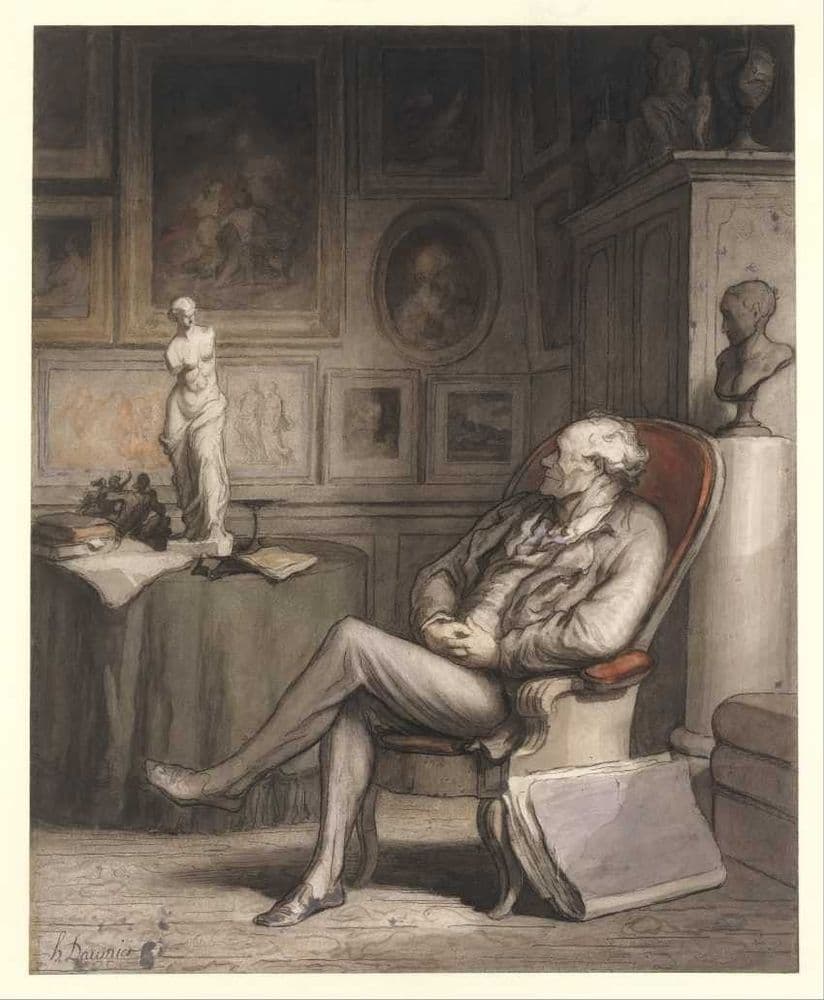
How Degas studied Delacroix’s use of colour
Degas read Delacroix’s journal and acquired several of his palettes. They still bore traces of how Delacroix prepared the colours he intended to bring together.
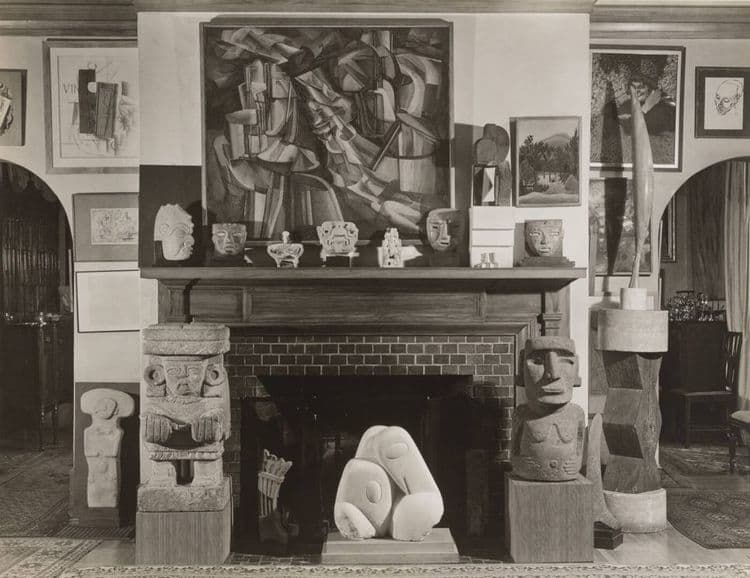
Earl Stendahl, a fake Chac Mool and the murals of Teotihuacan
In 1947, the Minneapolis Institute of Art bought a sculpture from Earl Stendahl that would turn out to be a forgery. The dealer’s letters also trace how several murals from Teotihuacan made their way into US collections.
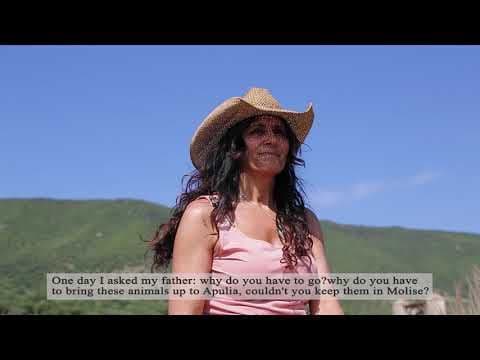
Transhumance and the skills passed down along pastoral routes
Moving livestock from one pasture to another means learning about the animals, the routes and the resources needed along the way. Families and communities along pastoral routes help pass on that knowledge.
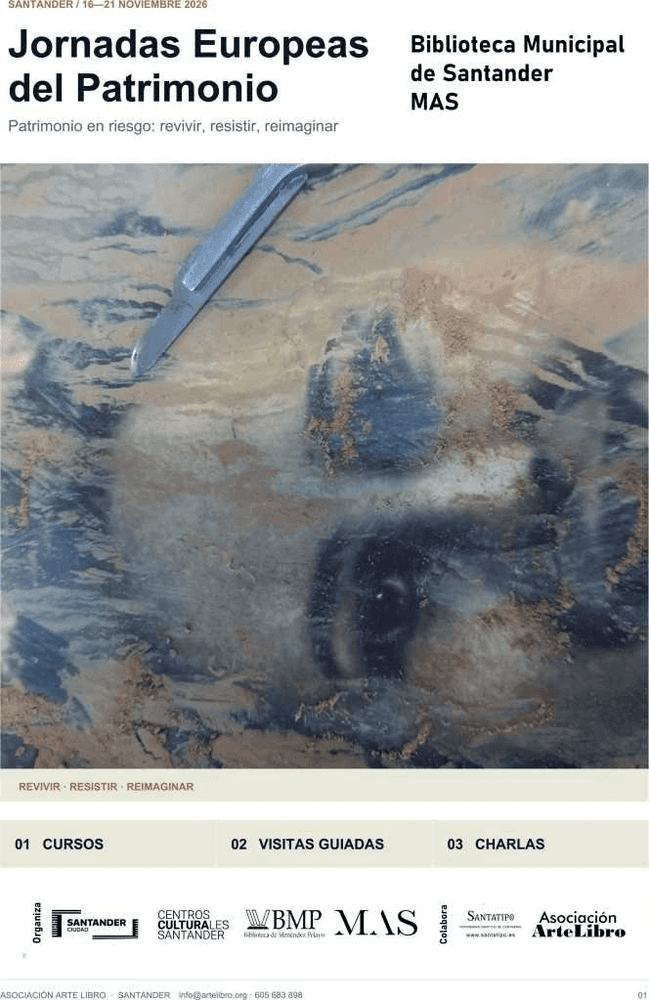
Santander: What Remains of Shop Signs When Businesses Close
A guided walk invites visitors to discover the city’s graphic heritage. The rescue of La Parisien’s sign shows how traces of a business can be preserved after it closes.
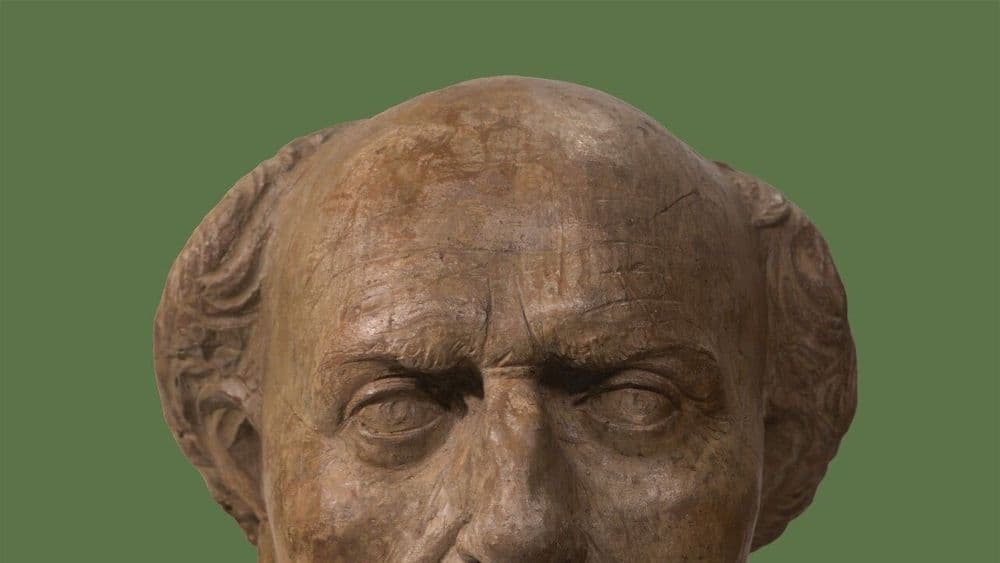
Brunelleschi’s Face: From Death Mask to Terracotta Portrait
In Florence, a terracotta head identified by Alfredo Bellandi and Giancarlo Gentilini as the model for the cathedral’s marble bust is displayed alongside the architect’s death mask.
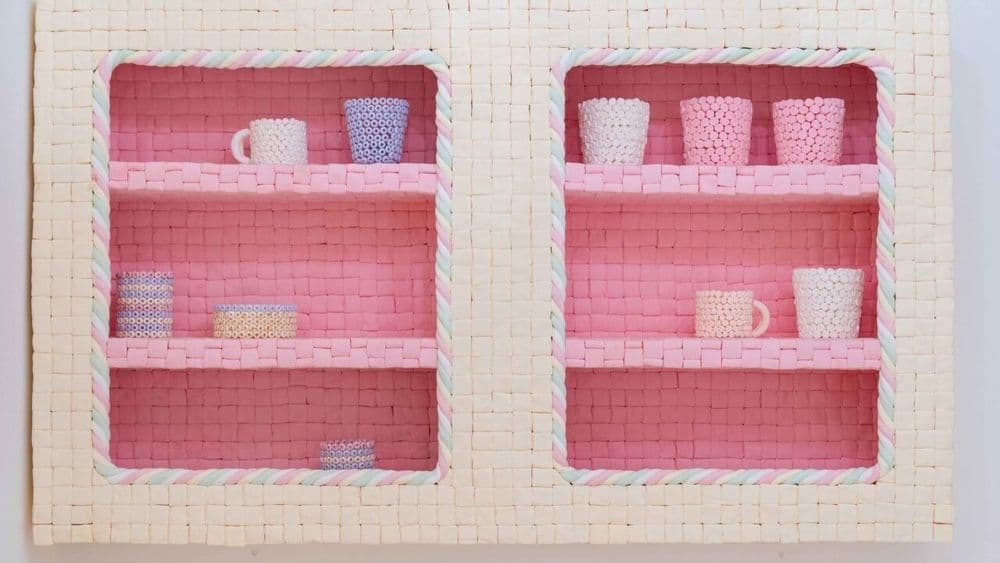
FOOD at Rome’s Chiostro del Bramante: Beyond the Table
From Martha Rosler’s kitchen to the decaying fruit in Sam Taylor-Johnson’s video work, the exhibition explores how artists have used food to address social roles, production and the passage of time.
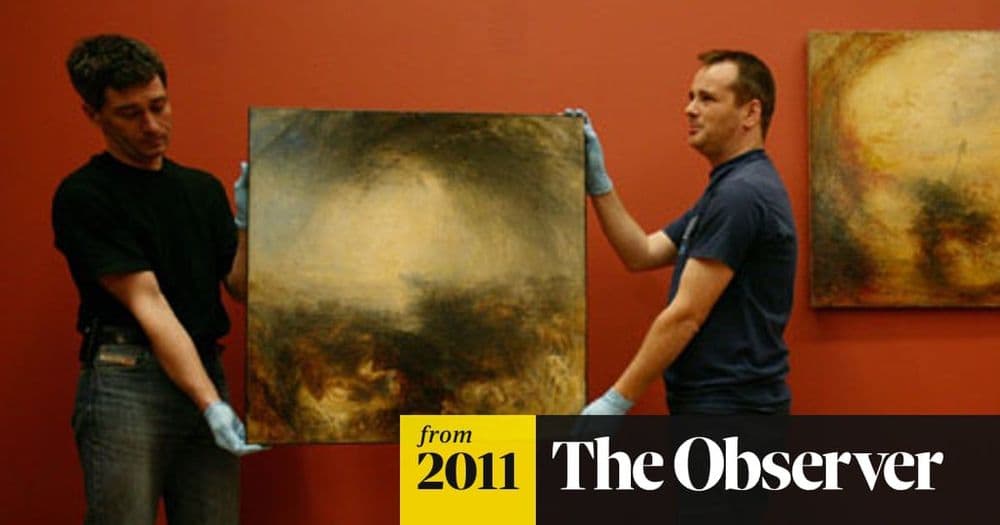
The stolen Turners: recovery and the fate of the insurance payout
Recovering the two paintings stolen in Frankfurt cost Tate £3.5 million. An agreement with the insurers allowed the museum to reclaim the works while retaining part of the payout, raising a separate question about how that money could be used.
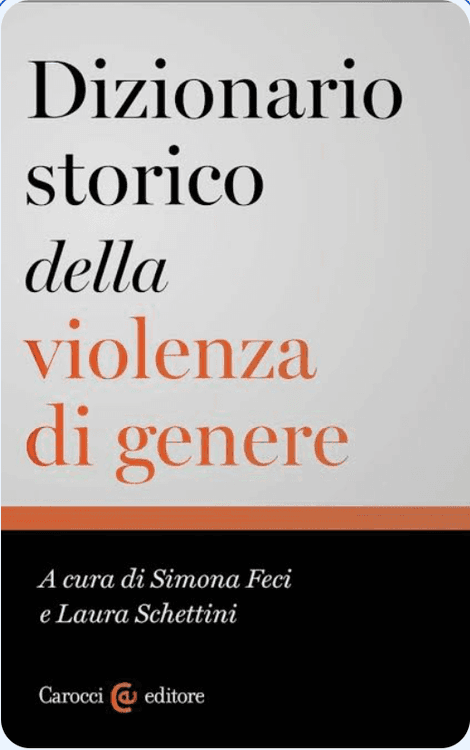
Gender-based violence in Italy: fifty entries explore its history
Edited by Simona Feci and Laura Schettini, a new historical dictionary looks beyond individual incidents to examine the contexts in which violence has been accepted, justified and challenged.
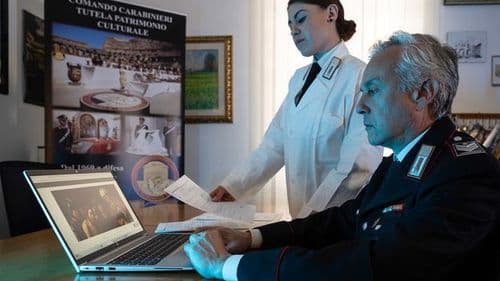
From sibyl to Saint Agnes: identifying a painting stolen from Sulmona
A photograph taken at a fair in Parma prompted checks on a painting that had disappeared 20 years earlier. SWOADS, an image-matching system used by the Carabinieri, had flagged the resemblance.
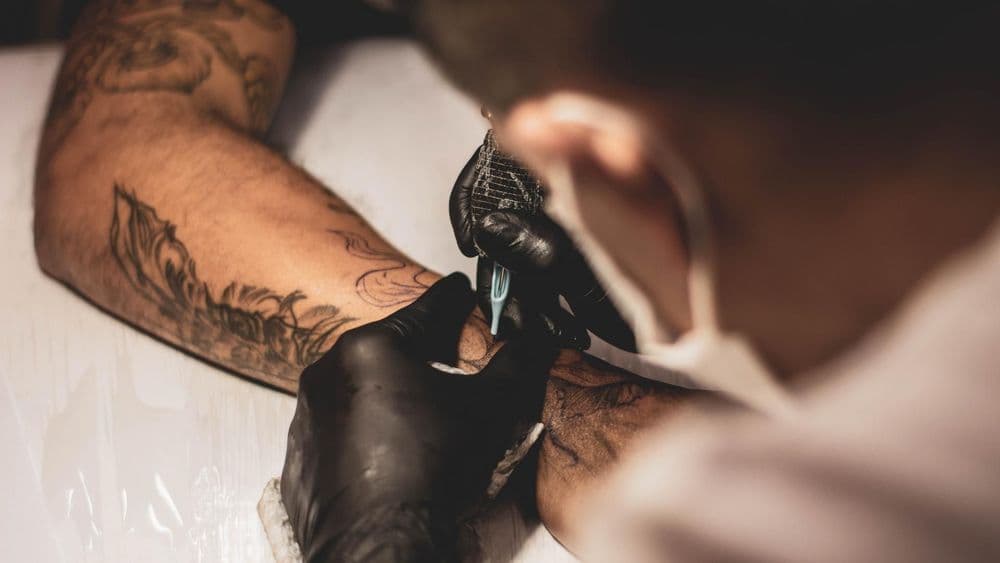
A Rembrandt print takes shape as a tattoo in Amsterdam
The Rembrandt House Museum in Amsterdam is hosting the second edition of The Poor Man’s Rembrandt Project. In a temporary studio, works from the museum’s collection meet the practice of tattoo artists.
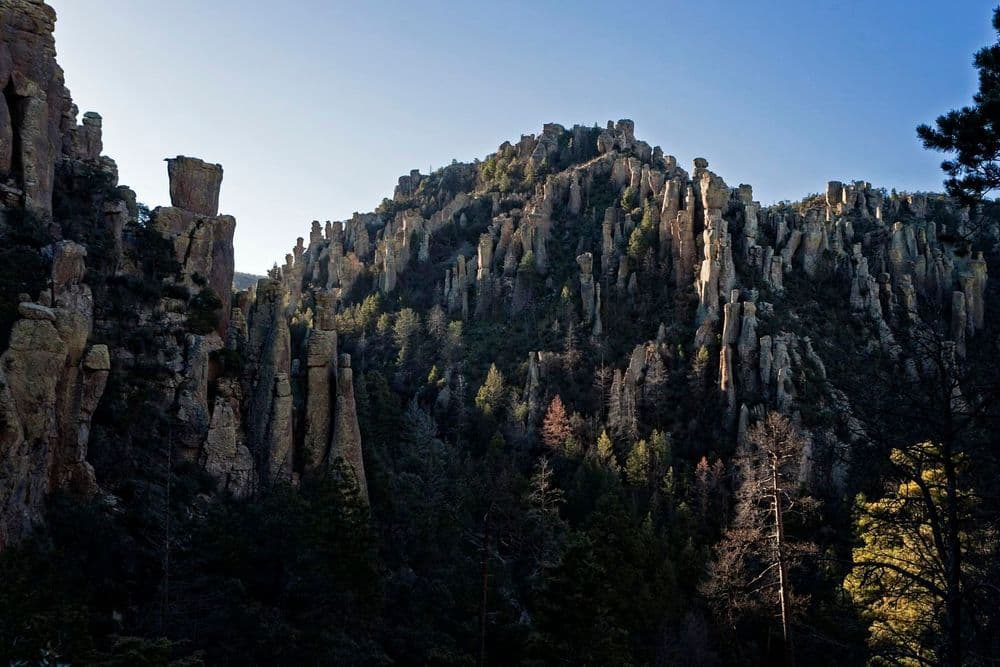
Chiricahua’s volcanic spires and Apache history in the 64th US national park
Arizona’s new national park protects striking volcanic rock formations. The region holds evidence of human presence dating back at least 12,000 years and includes part of the historic territory of the Chiricahua Apache.
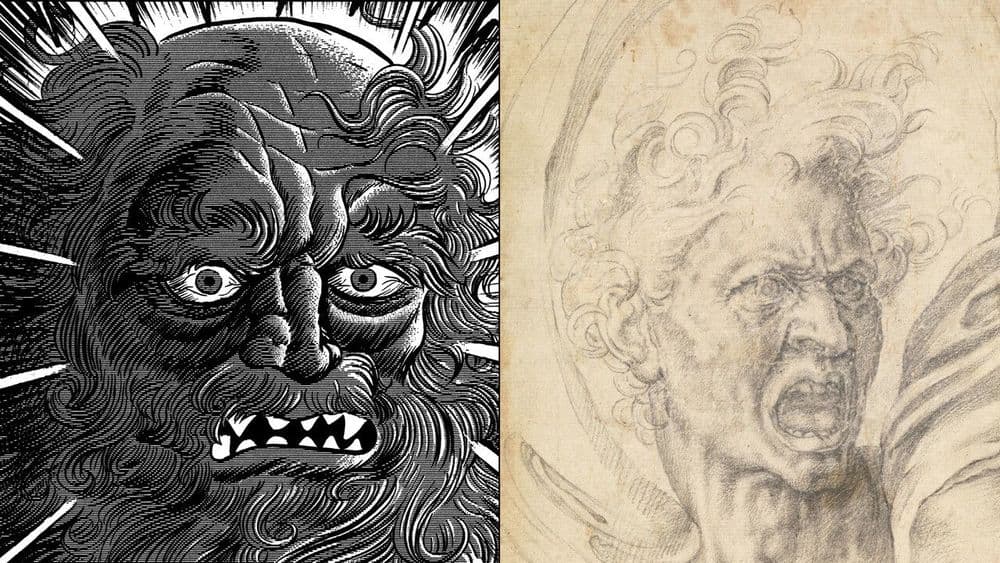
At Lucca, Zuccari’s drawings meet Go Nagai’s Dante manga
At Lucca Comics & Games, infernal figures drawn by Go Nagai, creator of Devilman, appear alongside six sixteenth-century drawings by Zuccari from the Uffizi in the exhibition ‘Go Nagai – Sole, cuore e acciaio’.
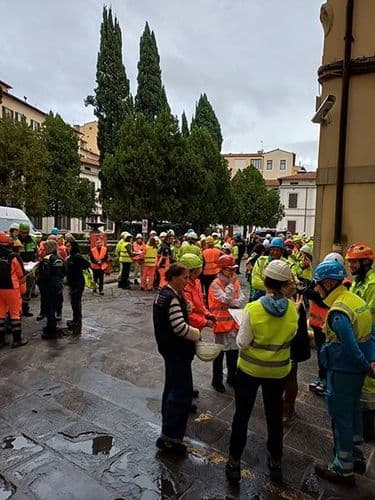
Florence library hosts flood-response drill to protect cultural collections
At Palazzo Cerretani, the regional civil protection service held an exercise to test a new module designed to recover cultural heritage and make it safe.
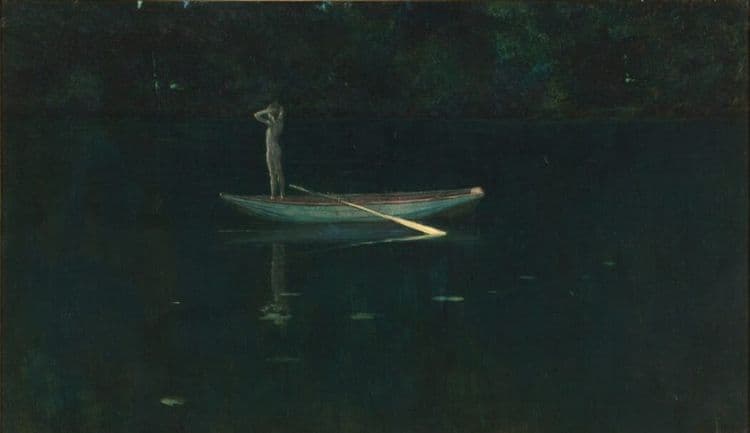
At the Musée d’Orsay, teenagers’ voices find a place beside the art
A video gathers conversations that began during museum visits by a group of teenagers receiving care at Pitié-Salpêtrière. In Échos de l’Invisible, their interpretations of the Musée d’Orsay’s collection become part of the display.
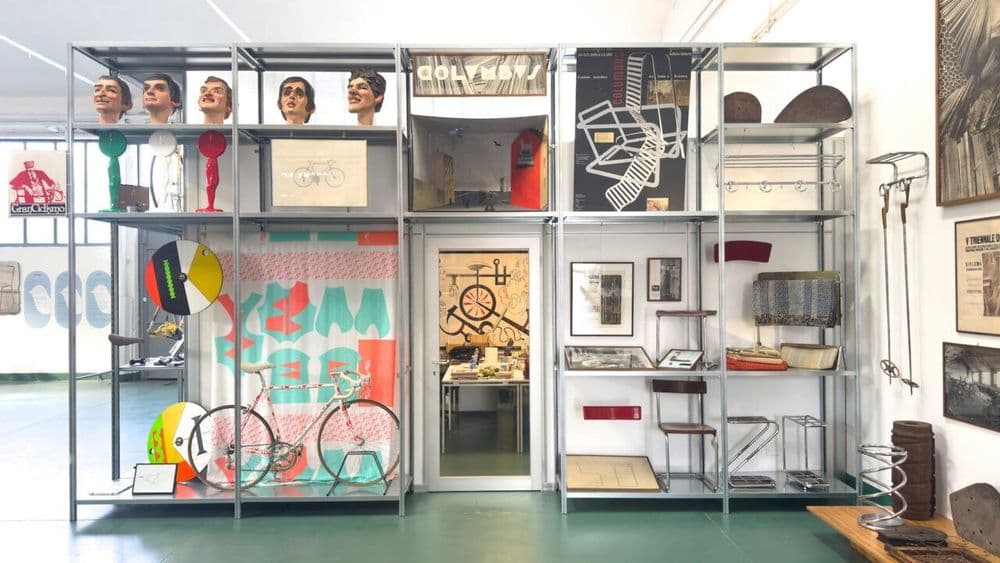
Furniture, bicycles and steel tubing in the Colombo Archive
Preserved in Milan, annotated drawings, prototypes and furnishings document the relationship between design and production in the history of the Colombo family.
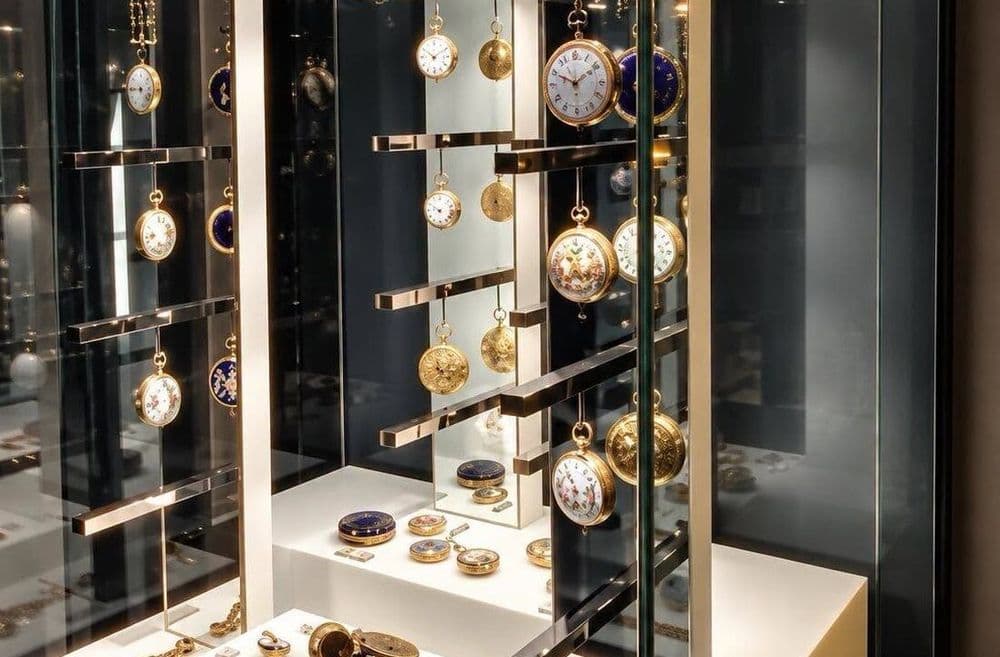
Twenty-six eighteenth-century timepieces stolen from the Reggia di Venaria
The English and French clocks were displayed along the visitor route on the Piano Nobile of the Reggia di Venaria. The theft involved clocks from the Accornero collection, while snuffboxes donated by the same family were left untouched.
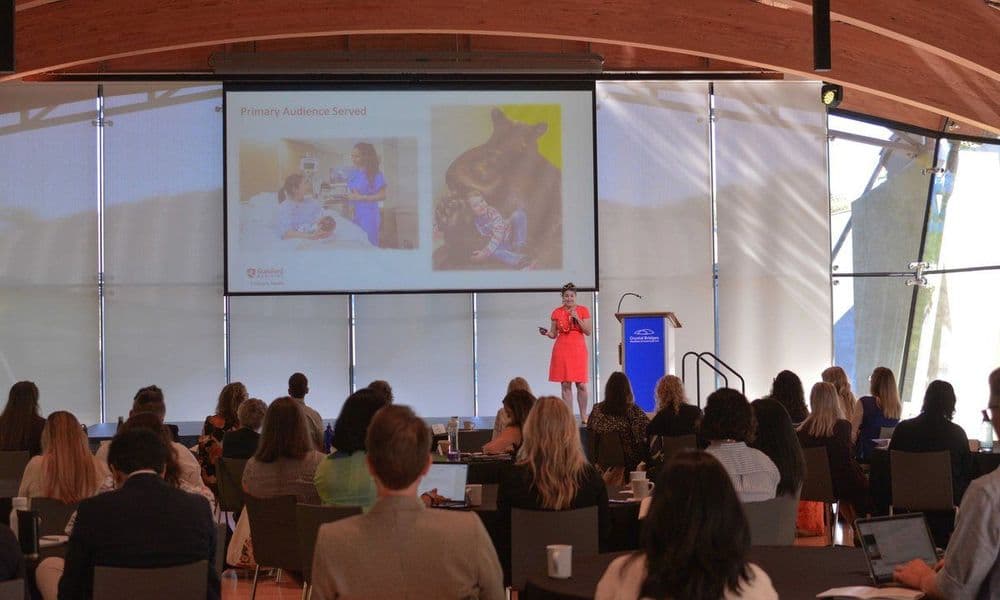
Choosing art for the people who use hospital spaces
A visual reference point, a starting point for conversation, an image chosen with patients and staff: in hospitals, curating art begins with how people use the spaces around them.
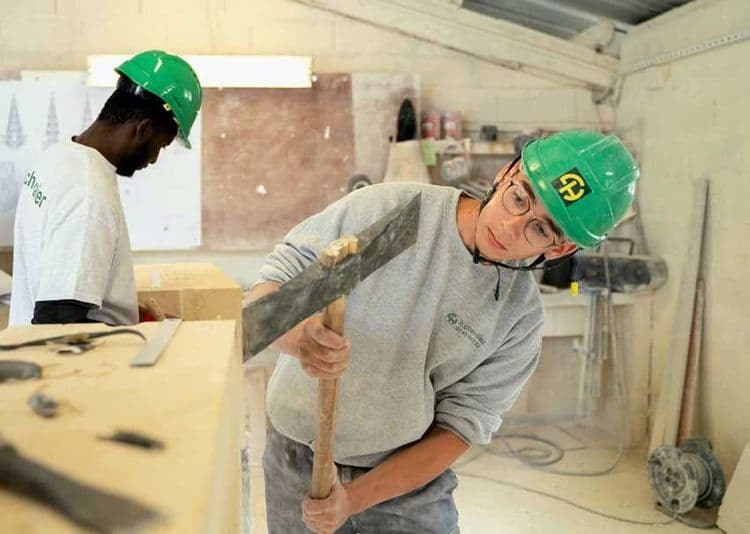
At Saint-Denis, learning stonemasonry beside the basilica
At the rebuilding site of Saint-Denis Basilica’s north tower and spire, apprentices and professionals work side by side. Albanne Cadennes’s account shows what it means to learn to work stone beside the monument being reconstructed.
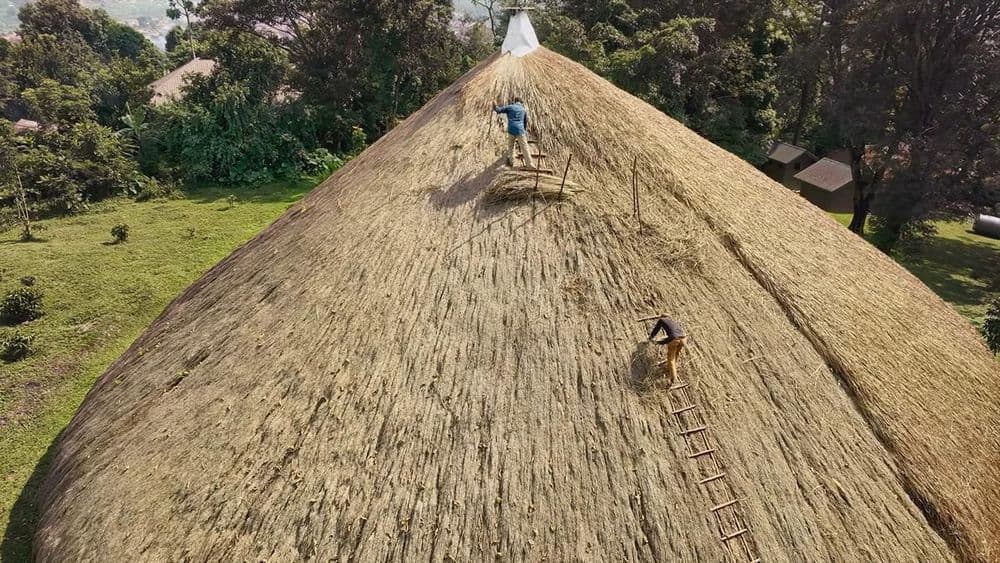
Kasubi’s royal tombs: caring for the site after reconstruction
Sosena Solomon’s documentary explores what it takes to preserve the tombs of the kings of Buganda, from maintaining plant-based materials to passing on construction techniques.
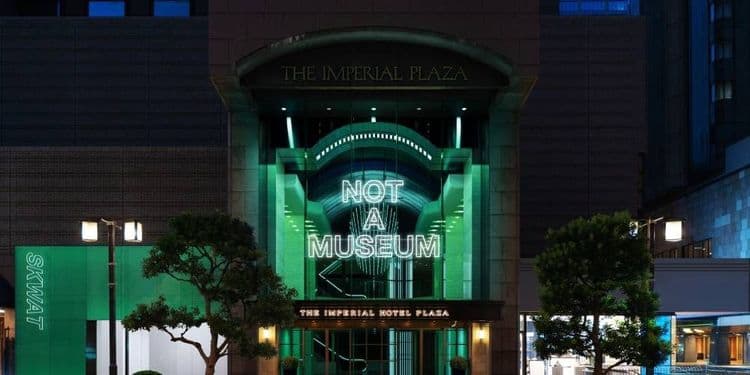
Tokyo’s Imperial Hotel tower to host a temporary cultural project before demolition
Before the tower at Tokyo’s Imperial Hotel Plaza is demolished, its former retail spaces are set to host a cultural project by NOT A CITY and SKWAT. The opening is planned for summer 2027.
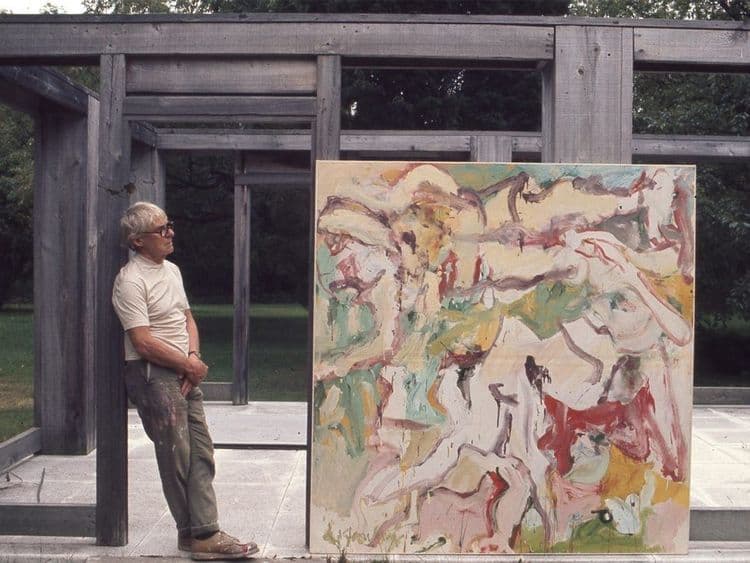
Willem de Kooning at Work: Experimenting with Paint and Drawing
Tools and colour tests remain in de Kooning’s Springs studio. Technical studies of his paintings and the Rijksmuseum’s exhibition of his drawings reveal an artist continually experimenting with materials and methods.
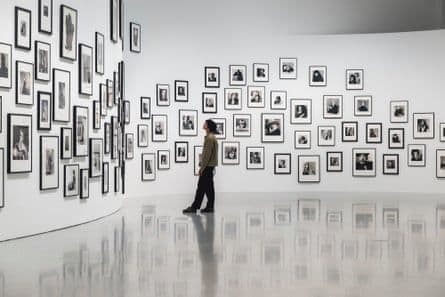
Irving Penn’s portraits at Remember Me, from travelling studio to print
At the Bourse de Commerce, more than 400 photographs offer a way into Irving Penn’s work. For portraits made during his travels, Penn used a portable studio to separate the people he photographed from the settings of their everyday lives.