Inheritance.
Editorial heart. Cultural heritage, future of culture, technology.


William Morris Gallery explores the wealth and labour behind his designs
The new welcome desk at the William Morris Gallery refers to his father’s investments in the Devon Great Consols copper mine. The redisplay connects the family’s wealth with labour and Morris’s socialist ideas.

Hadrian’s Wall and the crossings that changed over time
Some gates were closed, settlements changed and goods moved across the frontier. Archaeology reveals a boundary whose role did not stay fixed.

Digitising ethnic minority heritage in Vietnam: deciding what to share
Digital records can help songs, languages and skills reach new audiences. They also raise a question for the communities that practise them: what should remain theirs to share on their own terms?
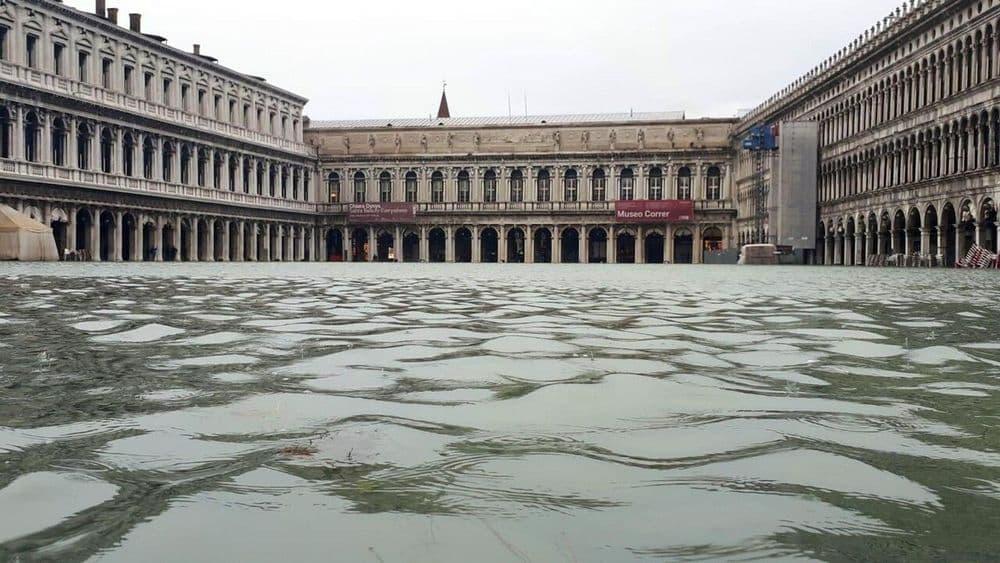
Restoration in St Mark’s Square reveals earlier paving beneath the stones
Work to stabilise the paving after the exceptional tides of 2019 has documented older surfaces beneath St Mark’s Square. Archaeological evidence also emerged near the Procuratie Vecchie.
Local volunteers guide visitors through Austis’s Roman-era past
At Austis’s Casa della Memoria, archaeological finds kept in the town offer a glimpse of its origins in Roman times.
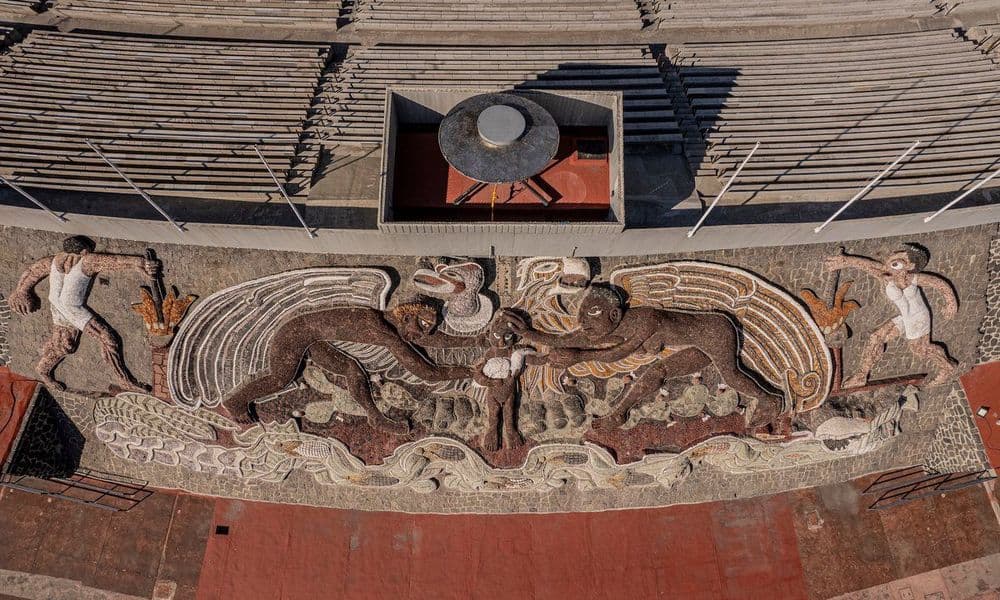
Studying the materials in Diego Rivera’s UNAM stadium relief
Before conservation work is defined, researchers will examine how the stones in Rivera’s relief interact with the wall of the Olympic Stadium.
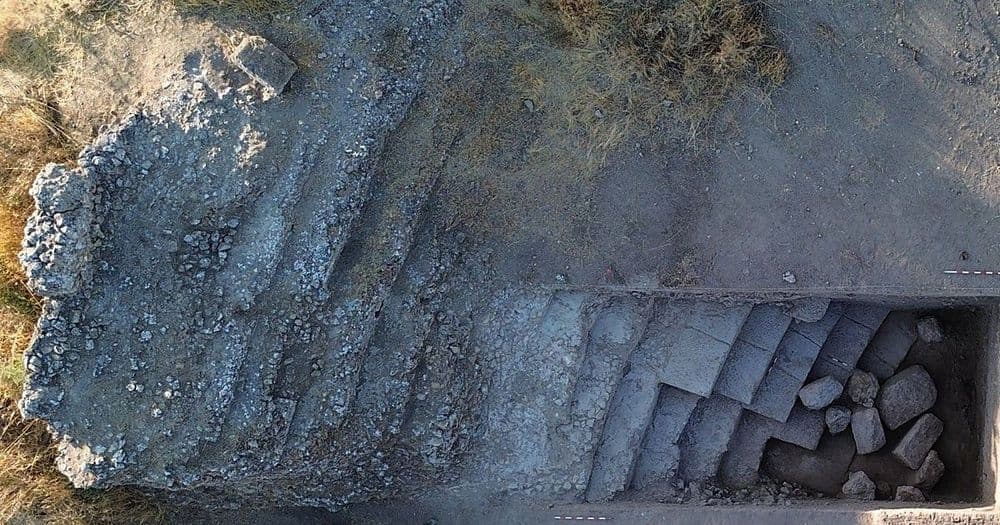
Nine rows of seats uncovered in the middle tier of Singilia Barba’s Roman theatre
A September 2026 excavation has exposed sandstone seating in a part of the theatre that earlier campaigns had not reached. Most of the building remains unexcavated.
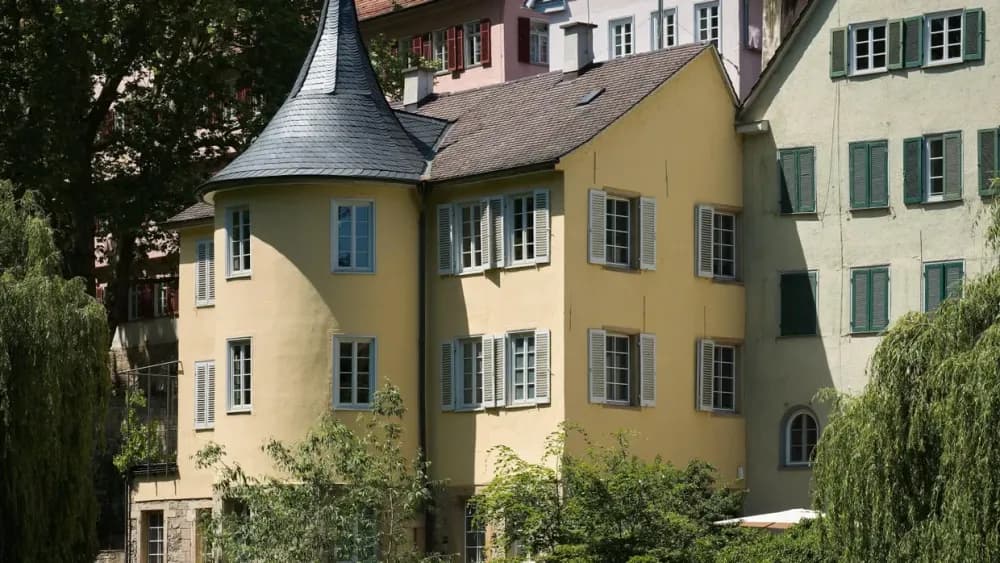
At Hölderlin’s tower, an exhibition explores writing in times of crisis
In Tübingen, poems written by Friedrich Hölderlin sit alongside contemporary accounts of crisis in an exhibition that asks what writing can offer, and where its limits lie.
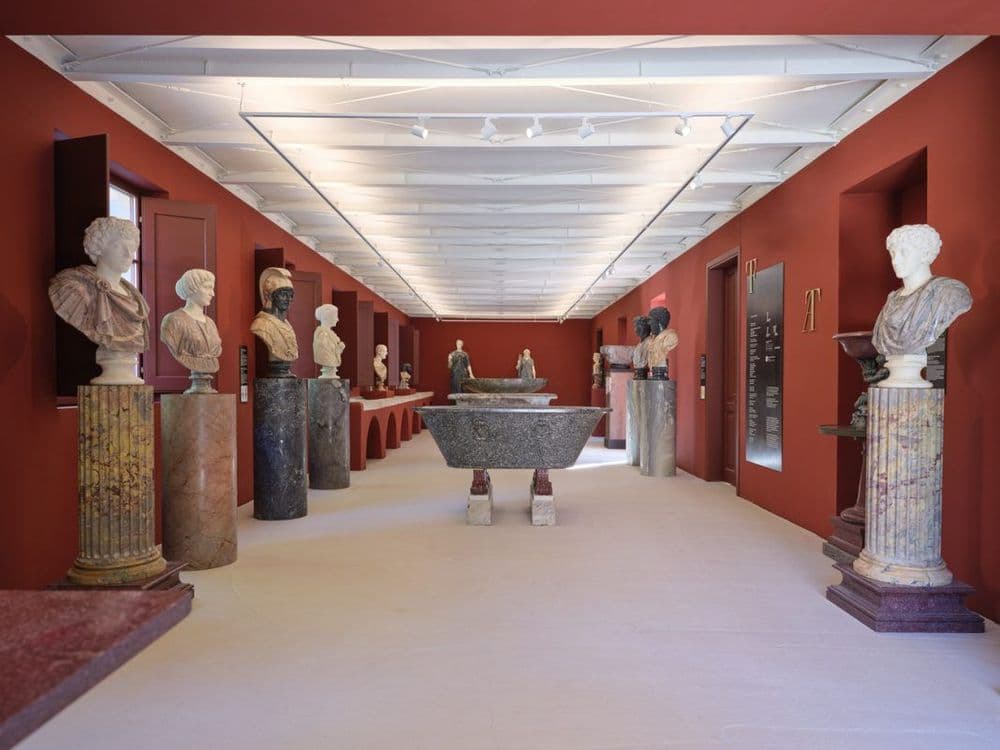
Reading the Torlonia collection through its stones
A new space at Villa Albani Torlonia brings 20 sculptures into the permanent display. Their materials offer clues to how some of the works were assembled and restored.
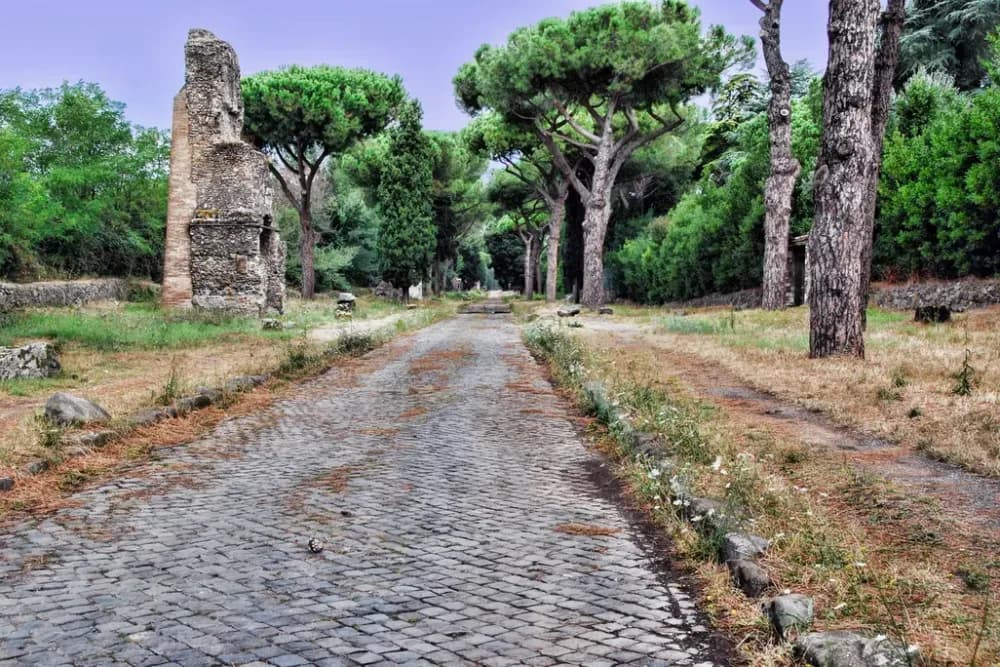
Rome was a hub, but Roman roads formed a wider network
A reconstruction of roughly 299,000 kilometres of Roman roads shows how provincial centres and local terrain shaped travel across the empire, beyond the routes leading to the capital.
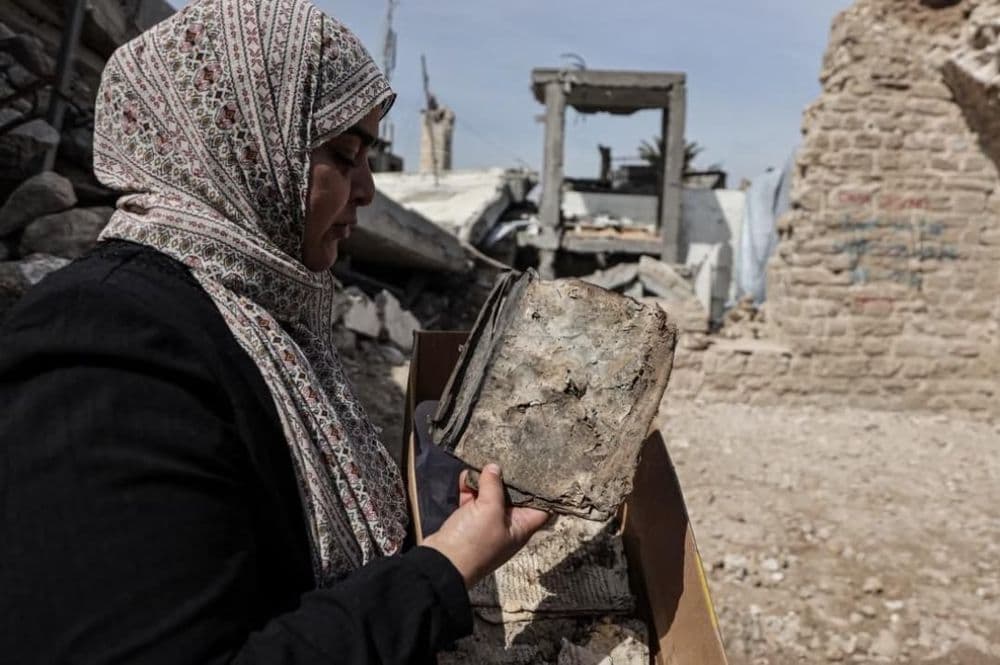
UNESCO recognises Hashim and Al-Amassi’s work to preserve Gaza’s manuscripts
The two specialists helped preserve more than 25,000 pages of Mamluk- and Ottoman-period manuscripts, while building local capacity for their long-term care.
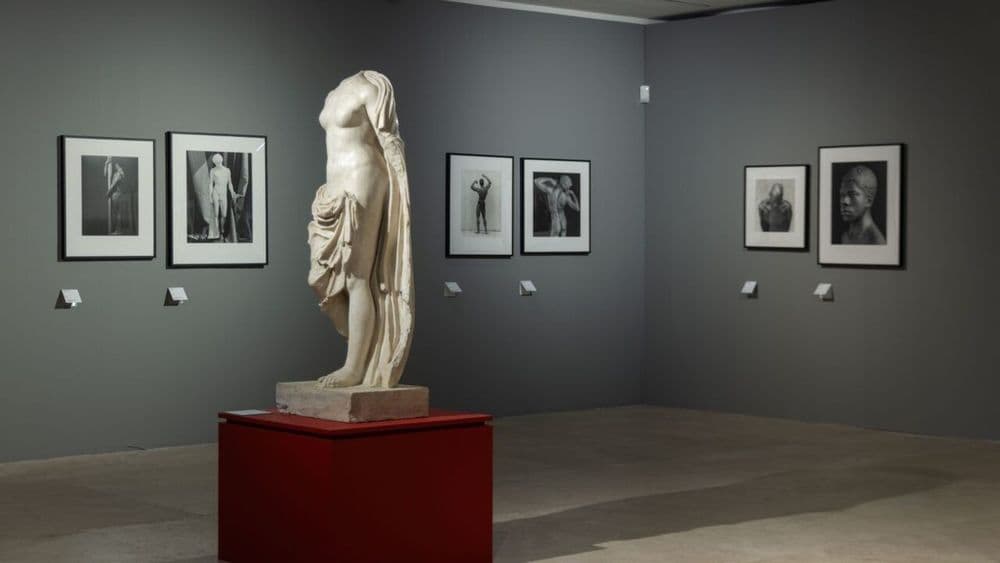
Mapplethorpe at the Ara Pacis: flowers, bodies and form under the same gaze
The Rome exhibition brings together flowers, bodies, statues and portraits through a shared attention to light, composition and formal precision.
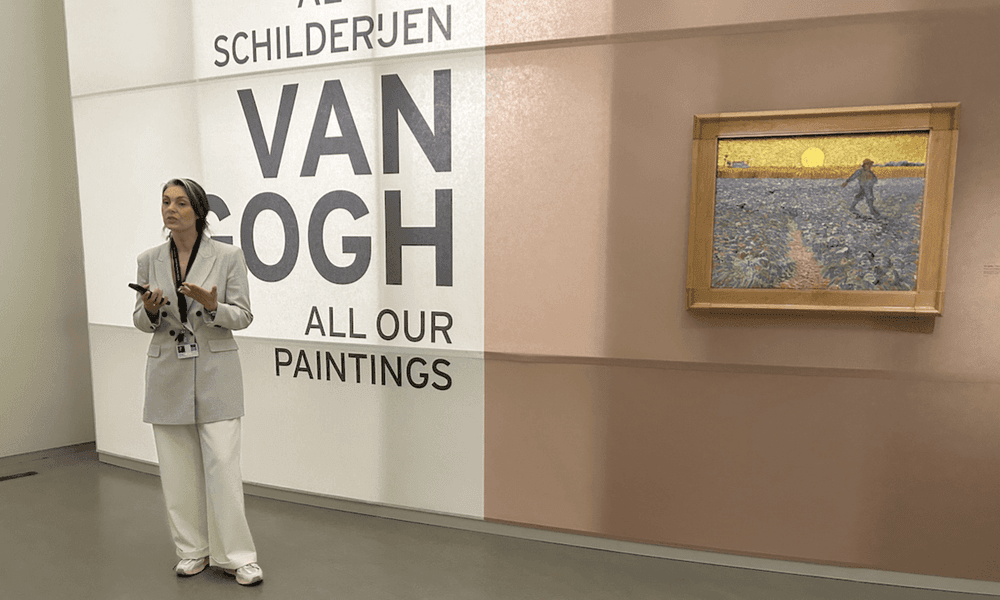
Van Gogh at the Kröller-Müller: 88 paintings, new connections
The museum brings together all 88 of its Van Gogh paintings in an exhibition that groups works by theme rather than date.
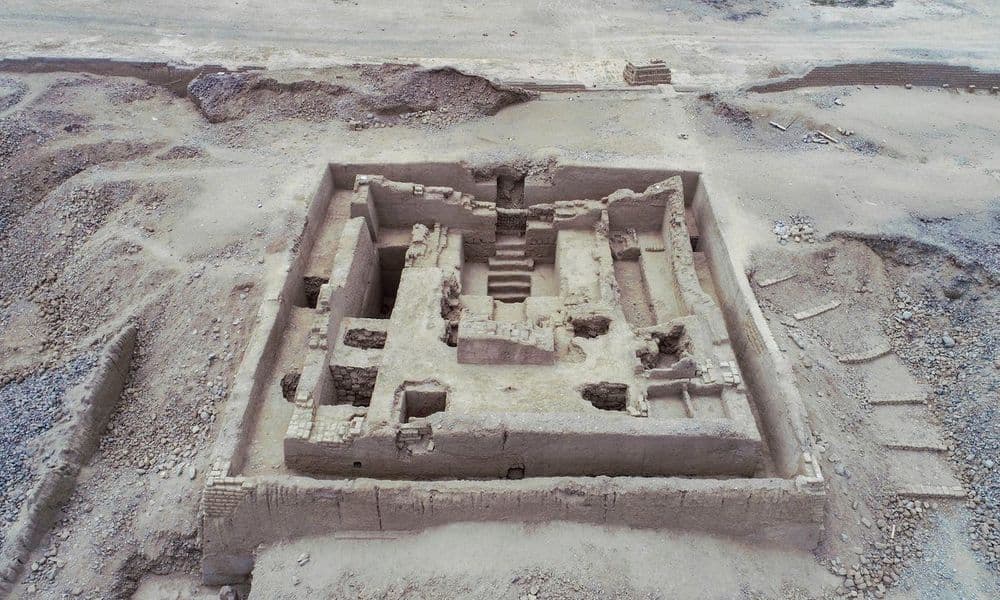
Chan Chan: a largely intact funerary context brings bodies, objects and Chimú rituals into relation
At the Peruvian site, the remains of 38 people were found together with objects associated with their burials. Their spatial arrangement offers archaeologists a rare opportunity to study an elite Chimú funerary context.
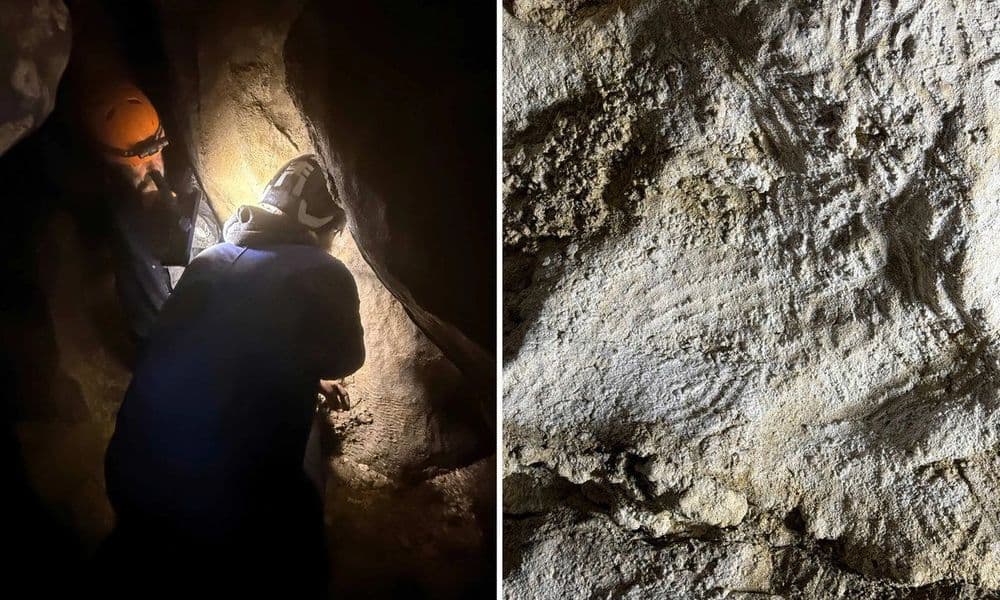
Eight caves in Ireland reopen the search for the island’s earliest human presence
Finger-made markings and traces of pigment are at the centre of a new archaeological investigation. Establishing when they were made could change what we know about human presence in Ireland.
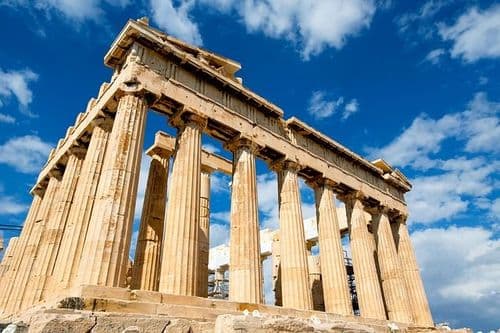
A study questions whether the Parthenon’s curves were optical corrections
The architectural features are measurable, but mathematician Alain Goriely argues that the evidence does not show they were designed to correct visual distortions.
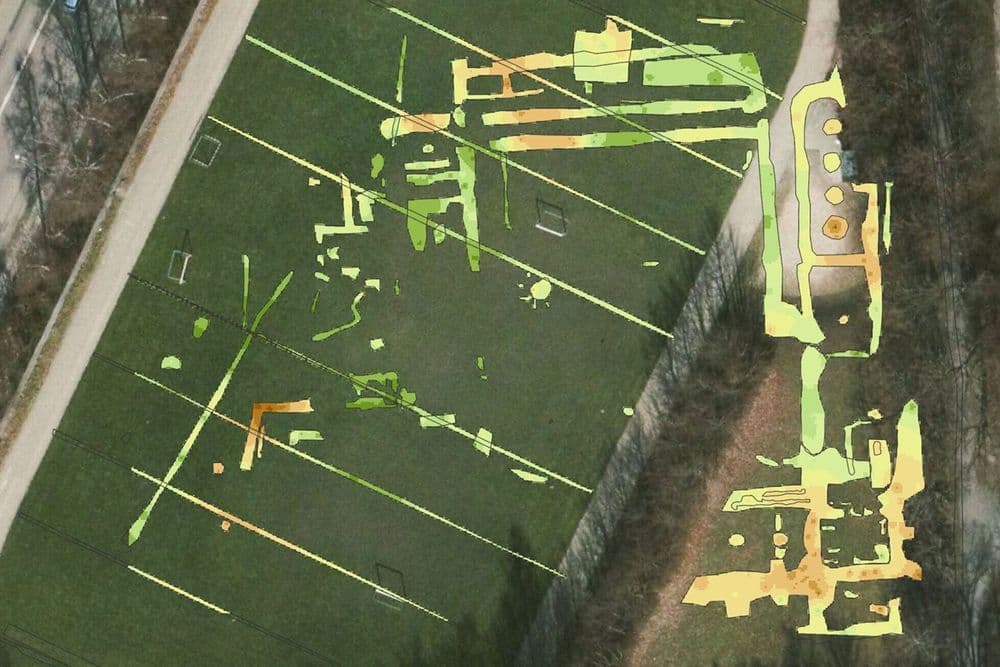
In Roskilde, georadar makes a hidden medieval convent visible beneath a football pitch
Georadar has revealed the layout of Roskilde’s long-lost convent of Saint Clare, helping archaeologists decide where to excavate and how to protect what remains.
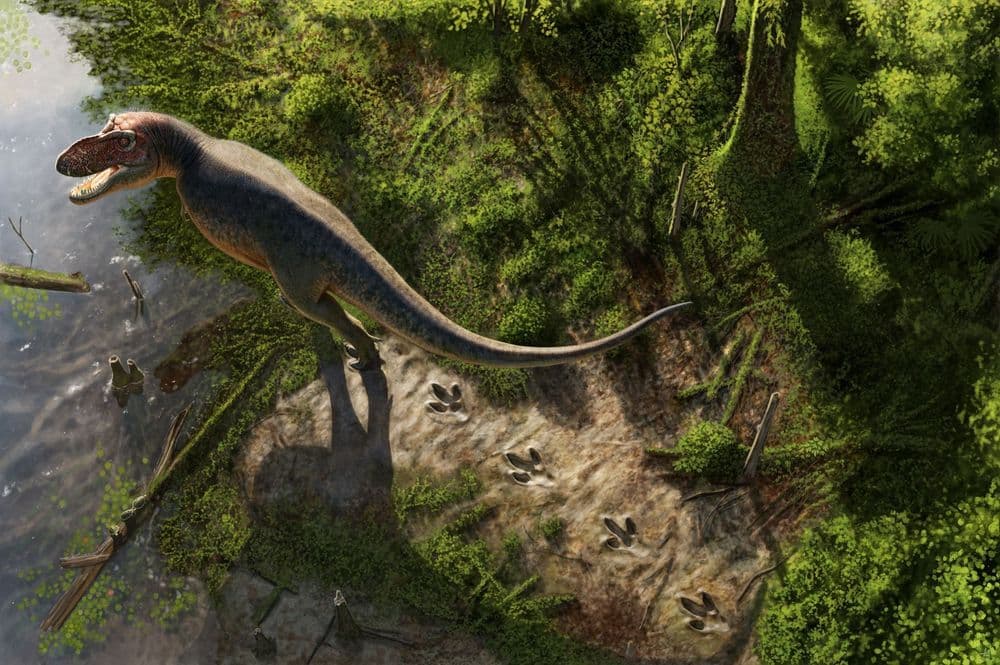
Four footprints preserve the stride of a possible T. rex
A trackway found in North Dakota may record the movement of an adult Tyrannosaurus rex 66.5 million years ago. Its three-dimensional preservation offers a rare glimpse of a single animal in motion.
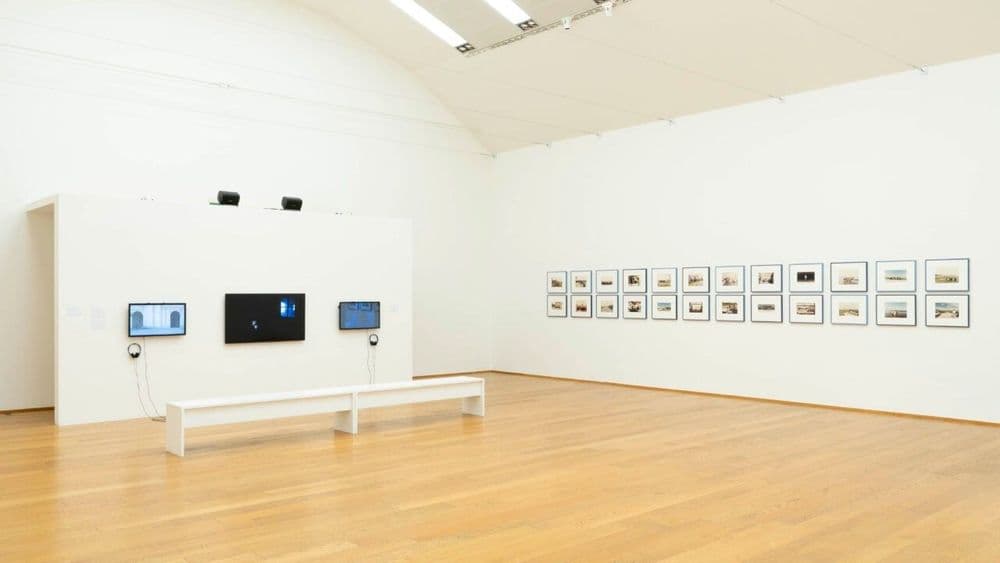
The ordinary landscape becomes a shared way of seeing in Ghirri and Celati’s Delta
At MAMbo, 81 photographs and the sounds of Celati’s film reveal how a shared attention to roads, people and pauses can make an ordinary landscape legible.
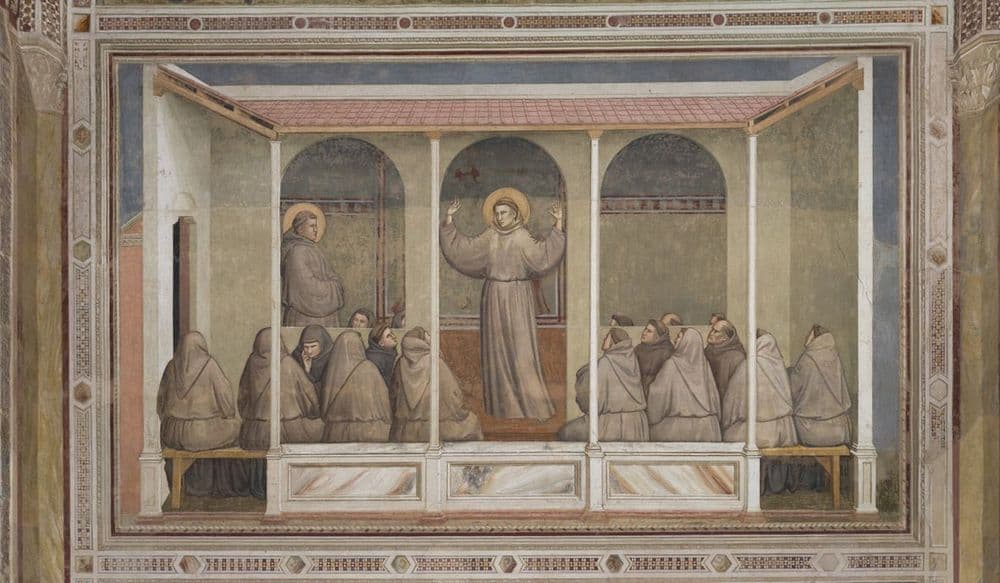
In the Bardi Chapel, restoration makes Giotto and the traces of time legible
After four years of work, the Stories of Saint Francis are once again visible in the Basilica of Santa Croce. The intervention consolidated the paintings and improved our understanding of the space designed by Giotto, without concealing the losses and transformations it has undergone over the centuries.
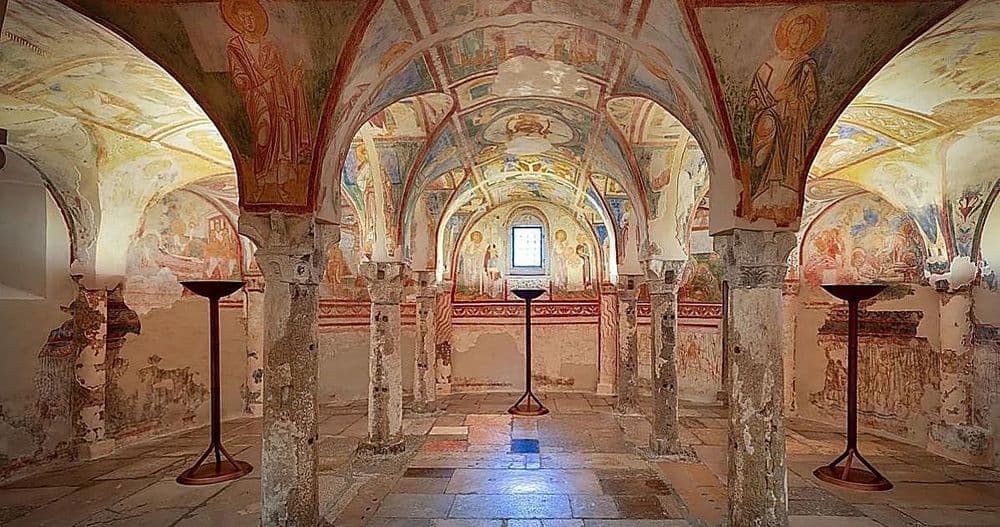
When a manuscript becomes a relic: the Gospel of Mark returns to Aquileia
After seven centuries, the three surviving parts of a sixth-century Gospel have been brought together once again. Their history shows how a book can become a community’s memory, an object of devotion and a source of political authority.
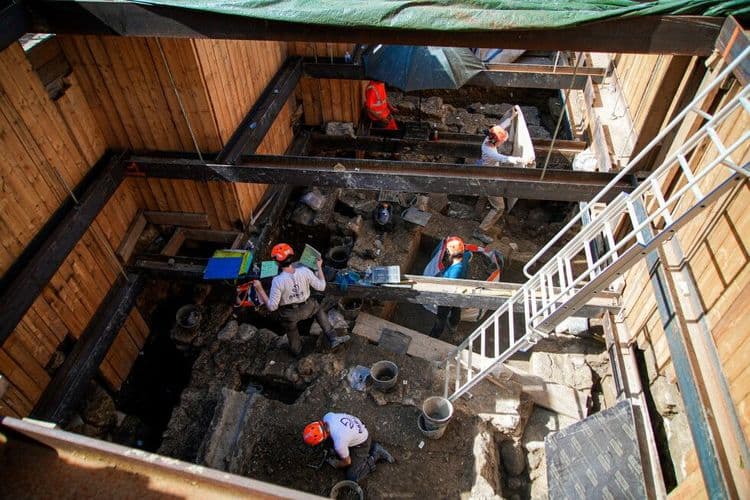
Four Metres Under the Notre Dame Ticket Queue, an Archaeologist Is Standing in the Fourth Century
Four metres under Notre Dame's forecourt, archaeologists are racing through 1,700 years of Paris before the square gets its new trees. Roman coins, medieval latrines and writing no one can read.
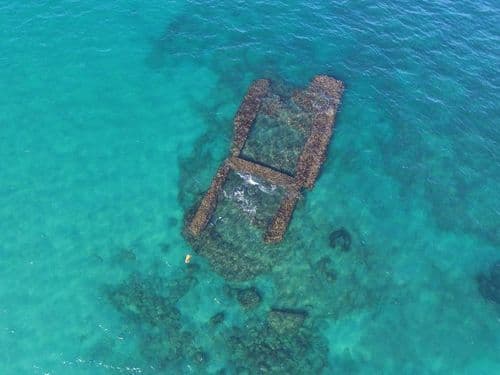
A Roman harbour is emerging from the sand off Puglia, and it may have welcomed the man who became Augustus
Divers off Le Cesine are back at a submerged Roman harbour that may be where a young Octavian landed in 44 BC, on his way to becoming Augustus.