Archive
Everything this edition has published, most recent first. Browse it whole, or narrow it down to one section and one period.
254 articles in this edition.
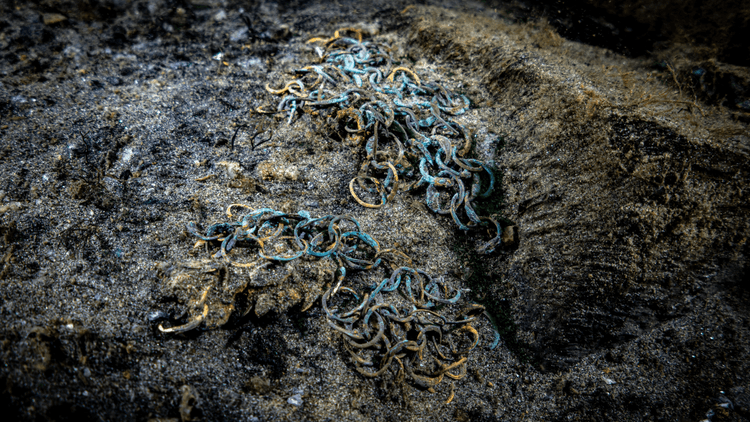
Chain mail fragments beneath Gribshunden’s forecastle
Archaeologists found fragments of armour near a chest containing tools for making ammunition. Their location suggests that the space beneath the ship’s fighting platform may have been used to store military equipment.
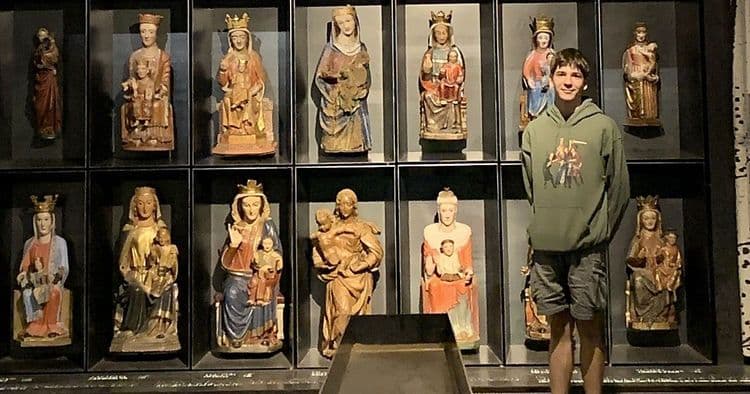
How two photographs helped recover the Romanesque Madonna of Prats-Balaguer
The Christ Child’s crossed legs helped 16-year-old Gonzalo Marcobal recognise a sculpture stolen in 1975. After its return in October 2026, the statue was taken to Perpignan for conservation.
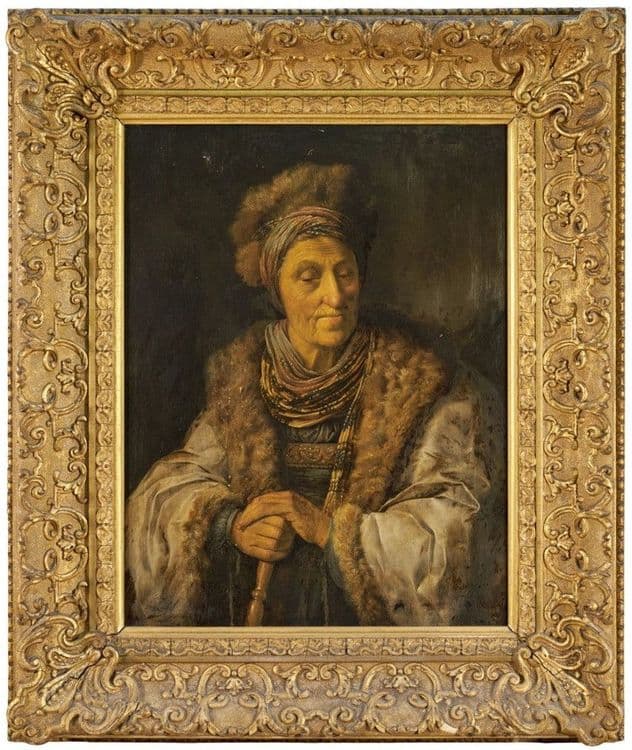
Who painted the Suffolk portrait?
The auction house catalogued it as an eighteenth-century work ‘in the manner of Rembrandt’. The way the face and fur are painted led art historian Adam Busiakiewicz to suggest it might be the work of Master I.S., who was active in the seventeenth century.
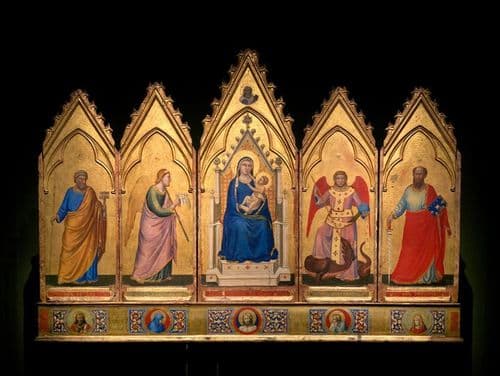
Giotto’s Polyptych in the Redisplayed Medieval Galleries of Bologna’s Pinacoteca Nazionale
Back from a loan to Romania, the polyptych returns to the gallery dedicated to Giotto. In the adjoining rooms, the display traces the development of Bolognese painting from Vitale da Bologna to Jacopo di Paolo.
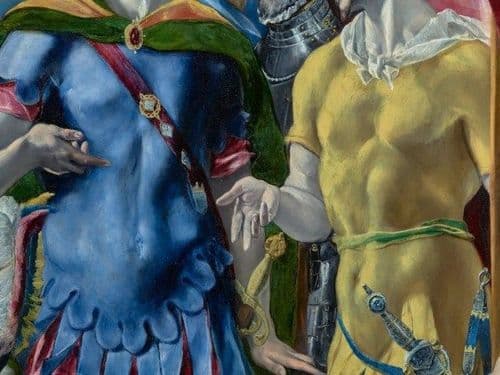
The Colours of El Greco’s Martyrdom of Saint Maurice After Conservation
Cleaning has made the glazes and shifts in colour easier to see in the painting Philip II commissioned for the basilica at El Escorial.
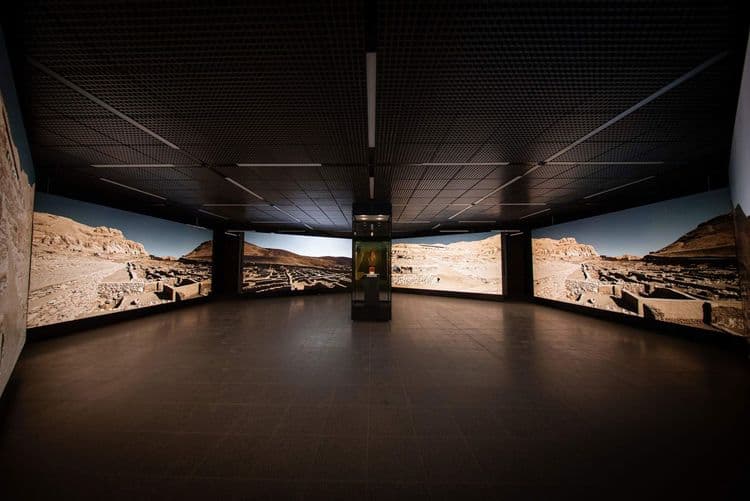
ECO at the Museo Egizio — From a Vase at Hammamiya to the Landscapes of Ancient Egypt
The painted figures on a Predynastic vase open a story that brings together artefacts, environmental data and excavation photographs to reconstruct the landscapes in which ancient communities lived.
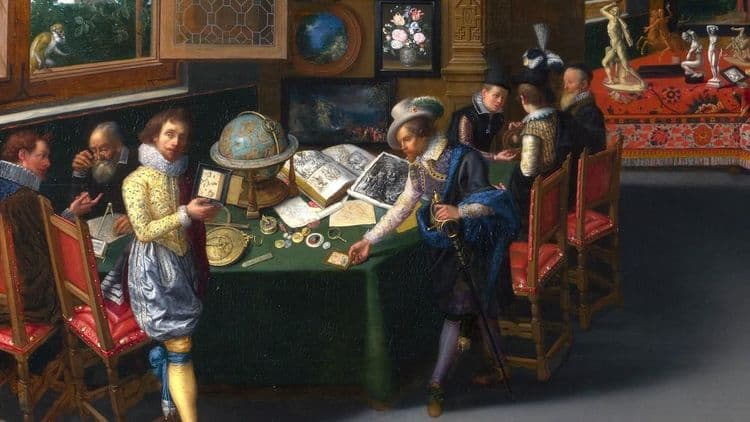
From the cabinet of curiosities to the modern museum
In the seventeenth century, the Tradescants filled their London home with shells, animal specimens and artefacts from around the world. Their catalogue shows how they organised the collection before it became part of the Ashmolean Museum in Oxford.

The right to opt out of AI training: when artworks circulate online
Artists can object to the use of their works to train artificial intelligence models. Yet the circulation of images across multiple channels makes it difficult to ensure that their wishes are respected.
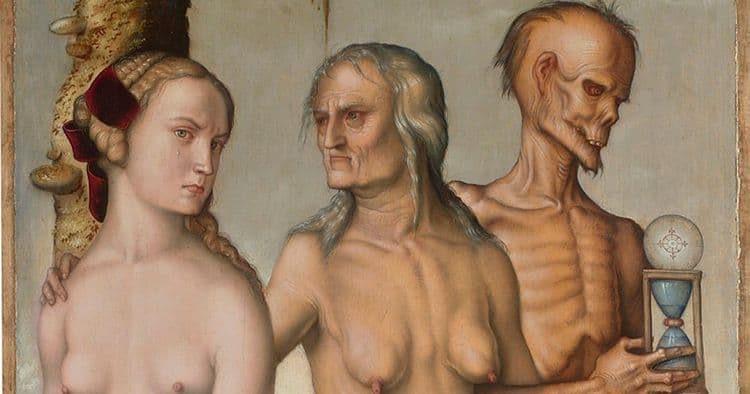
Hans Baldung Grien at the Prado: colour, beauty and the transience of life
Shown together, the paintings reveal how Baldung’s contrasting treatments of skin guide the eye from idealised beauty towards ageing and death.

La Menesunda, an artwork you step into
At Madrid’s Reina Sofía, a reconstruction of Marta Minujín and Rubén Santantonín’s installation invites visitors to choose which rooms to enter and take part in the scenes they encounter.
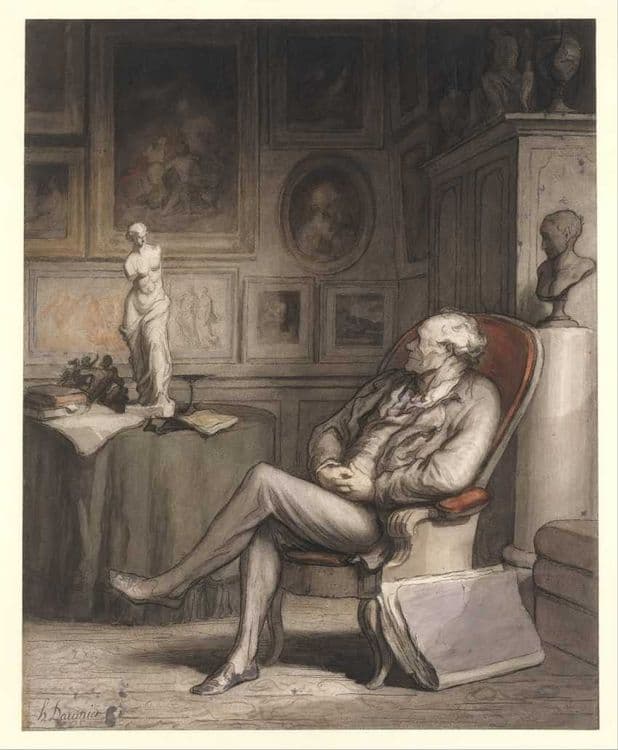
How Degas studied Delacroix’s use of colour
Degas read Delacroix’s journal and acquired several of his palettes. They still bore traces of how Delacroix prepared the colours he intended to bring together.
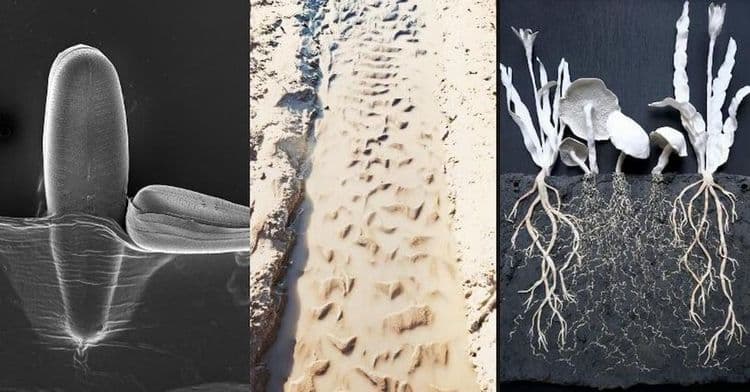
SOIL at MUDEC: Bringing the life beneath our feet into view
France Bourély’s photographs and Jo Pearl’s ceramics offer two ways to discover what lives beneath the soil’s surface.
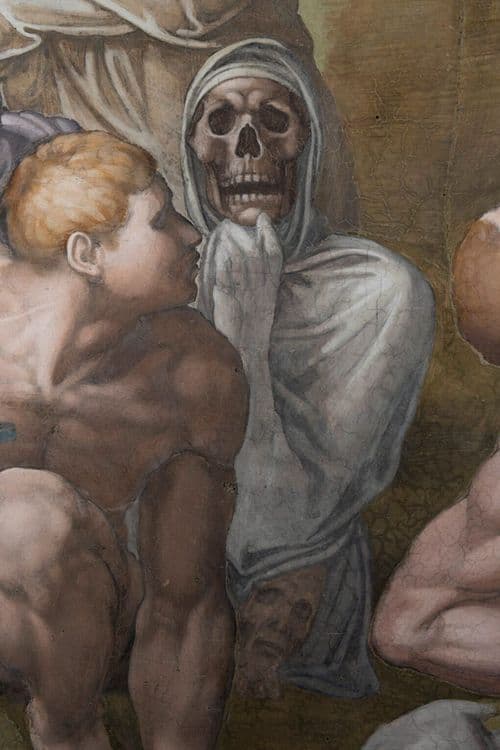
The Last Judgement: parallel brushstrokes suggest Michelangelo used multi-tipped brushes
Close examination during conservation work led Paolo Violini to propose that Michelangelo used tools capable of painting several lines at once.

How Boston’s MFA is putting Taylor Swift’s songs on display
From the banjo used on the Speak Now World Tour to the dress from the “Fortnight” music video, the Museum of Fine Arts, Boston, will bring together more than 50 objects from Taylor Swift’s archive to show how her songs took shape on stage and on screen.
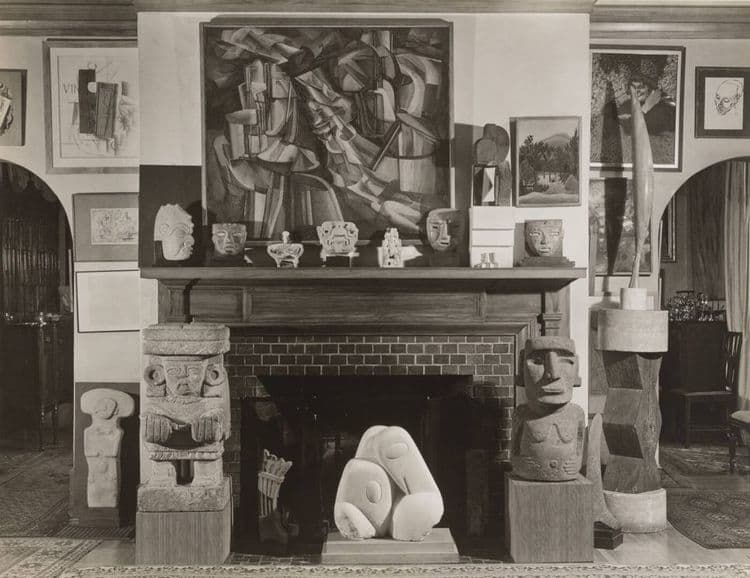
Earl Stendahl, a fake Chac Mool and the murals of Teotihuacan
In 1947, the Minneapolis Institute of Art bought a sculpture from Earl Stendahl that would turn out to be a forgery. The dealer’s letters also trace how several murals from Teotihuacan made their way into US collections.
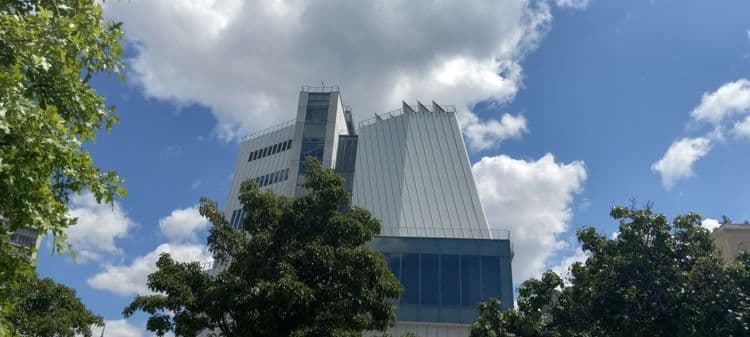
The Whitney sells de Kooning’s Yellow River three years after receiving it as a gift
Donated to the museum in 2023 in memory of its former president David M. Solinger, the painting sold for $11.03 million at Christie’s.
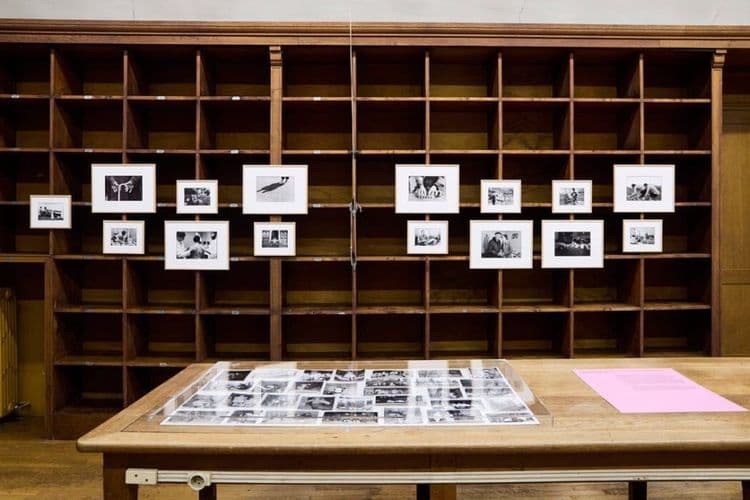
The INJA’s photographic archive, from posed class portraits to everyday life
For the first time, the Institut national des jeunes aveugles in Paris is exhibiting a selection from its photographic archive. The exhibition brings together class portraits from the Second Empire, photographs of school celebrations and performances, and work by Jacques Bondon.
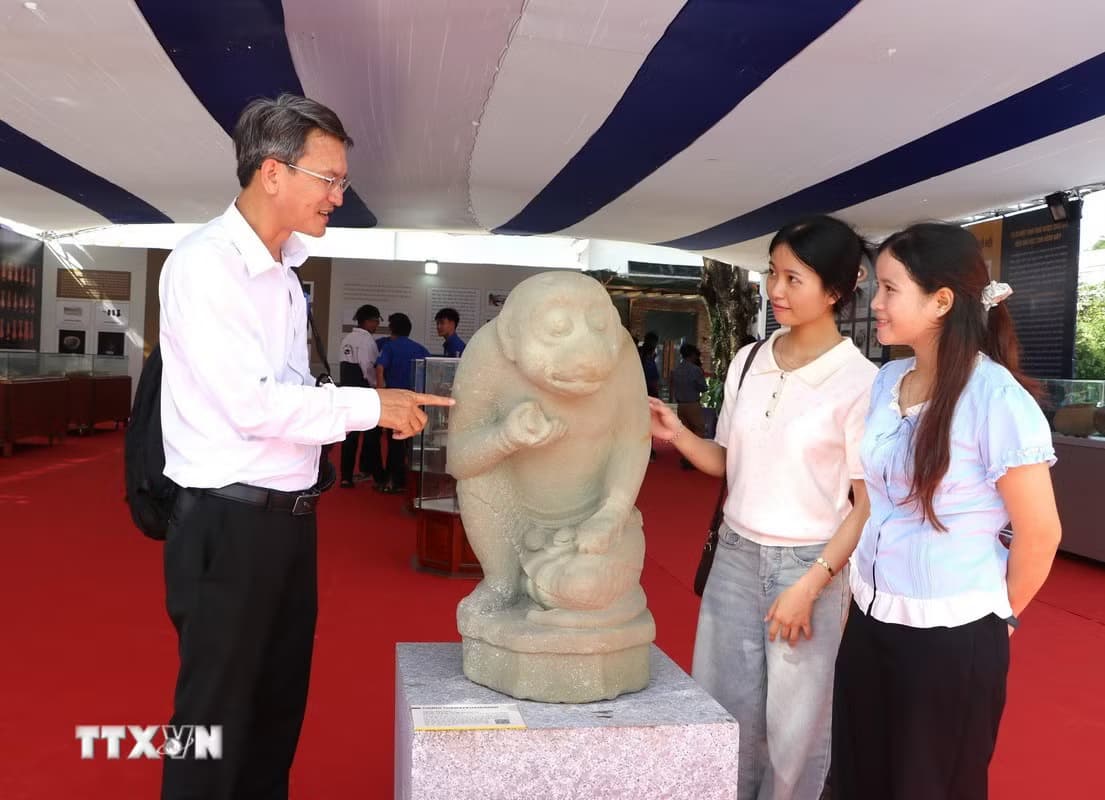
From sea to museum – a Hanuman sculpture goes on display in Quảng Ngãi
Five years after it was found off the coast of Vũng Buồn, a Champa sculpture of Hanuman went on public display for the first time at the Quảng Ngãi Provincial Museum in Vietnam.
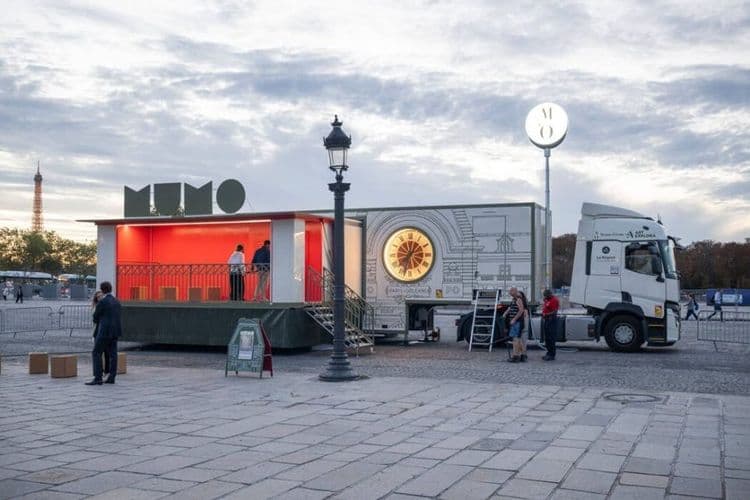
Collections on the move: what changes when a museum goes mobile
From exhibition trucks to art loans through libraries, three French projects bring collections into everyday settings through visits, workshops and works to take home.
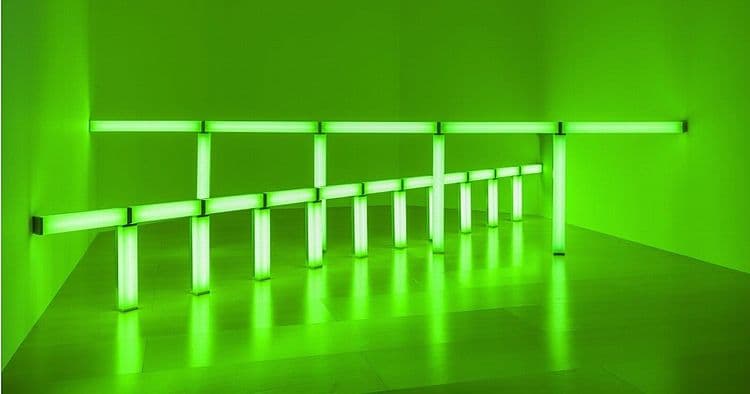
How do you preserve Dan Flavin’s light?
At the Guggenheim Museum Bilbao, Dan Flavin’s fluorescent tubes change the way visitors experience the galleries. The museum keeps spare tubes, but the exhibition’s curator is asking what will happen to the works when those supplies run out.
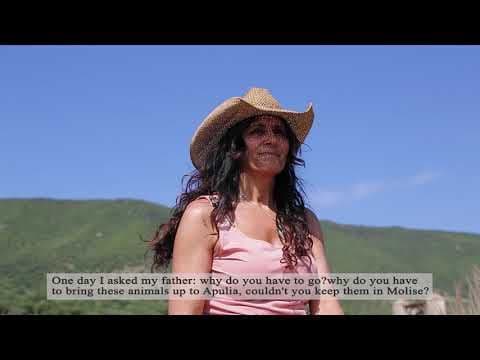
Transhumance and the skills passed down along pastoral routes
Moving livestock from one pasture to another means learning about the animals, the routes and the resources needed along the way. Families and communities along pastoral routes help pass on that knowledge.
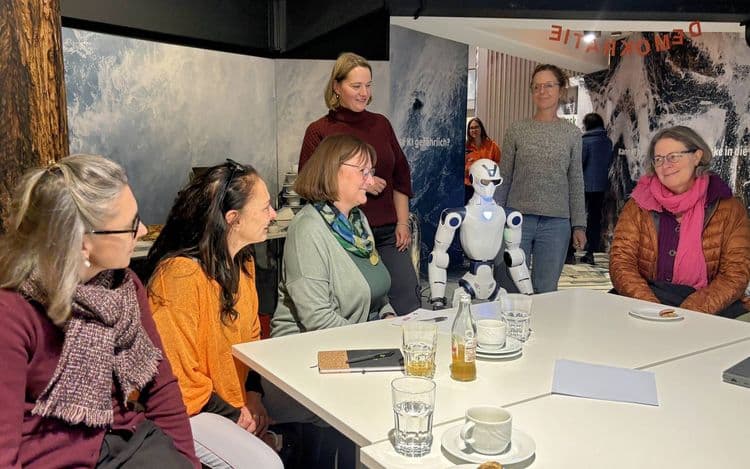
A Museum Café in Bonn Introduces Working Women to AI
Practical learning meets informal conversation at the KI-Café, an initiative exploring the use of AI tools at work.
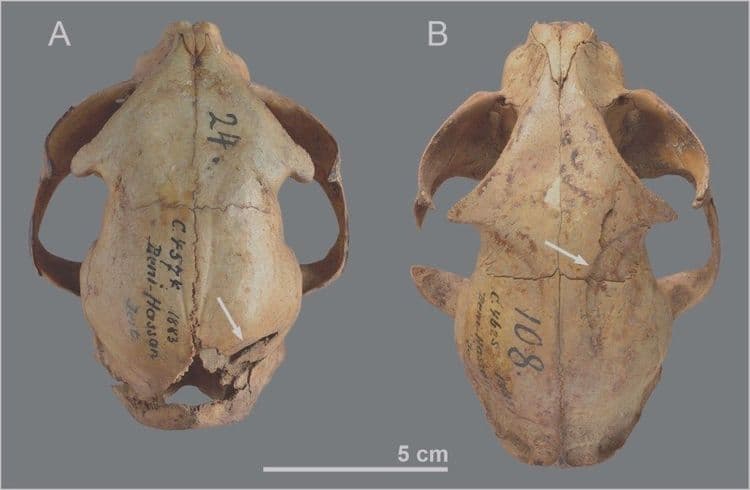
The cats of Beni Hassan: traces of life before mummification
An analysis of 131 skulls held in Vienna sheds light on the living conditions of cats intended as votive offerings. Fourteen show injuries, some of which had healed.
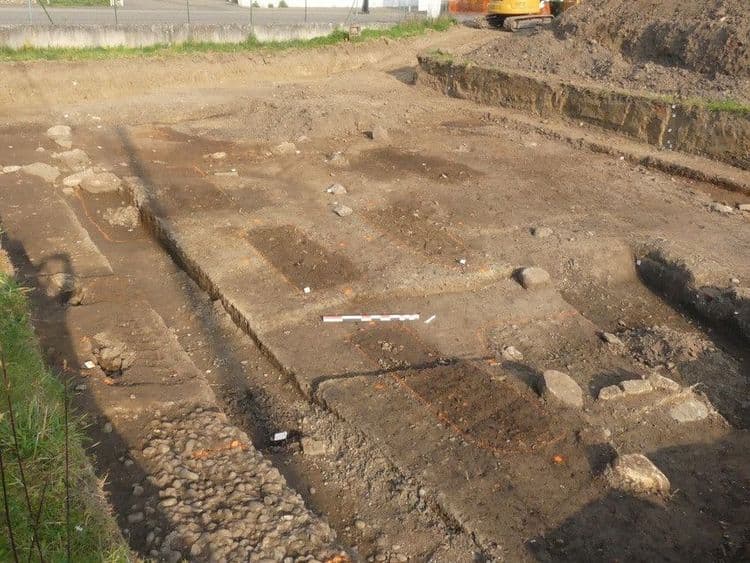
Horbourg-Wihr: Grave Goods and Traces of Violence in Fifth-Century Burials
Fourteen human burials and two horse graves document a little-known period in Alsace. Weapons, ornaments and skeletal injuries offer clues to the status and experiences of those buried.