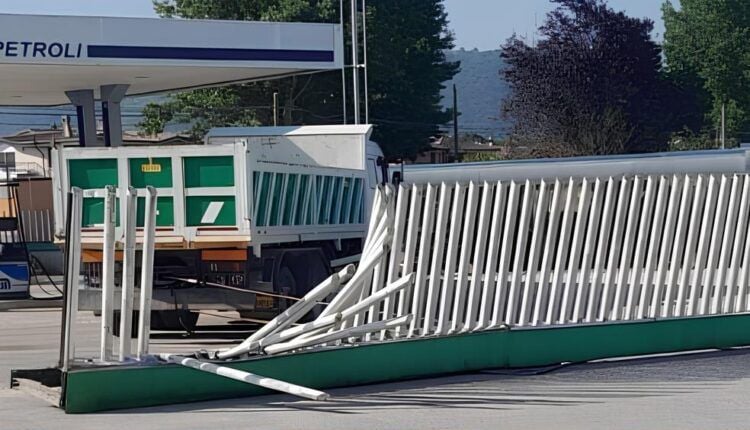
A bronze ballerina weighing roughly a tonne does not slip out of a building unnoticed. Yet that is what happened at the Oricola headquarters of Lilli Petroli, a fuel distribution company in the province of L'Aquila, where thieves made off with a haul of works attributed to Pablo Picasso and Giacomo Manzù now valued at between four and five million euros.
The centrepiece of the theft was 'La Ballerina', a celebrated bronze by Manzù and, by investigators' early estimates, a work weighing around 1,200 pounds (roughly ten quintals). Moving something that size out of a building is not a job for opportunists: it requires lifting equipment, a vehicle built for the load, and enough hands to manage it without drawing attention. Alongside it went other sculptures by Manzù and several bas-reliefs attributed to Picasso, assembled over the years by the collection's owner, entrepreneur Mauro Lilli, through international auctions and private acquisitions.
The scale and precision of the operation have led investigators to suspect the thieves knew exactly what they were taking and, more importantly, exactly how hard it will be to sell. Works this well known, this documented in catalogues, photographs and provenance records, cannot simply surface at auction; any legitimate dealer or house would recognise them instantly. That is precisely why police are now looking towards the shadow economy of art crime, where masterpieces do not get resold so much as they get hidden, used as collateral, or quietly traded among people who have no intention of ever hanging them on a wall.
Investigators are examining local surveillance footage and trying to trace what kind of heavy transport was used to move the Manzù sculpture, hoping to catch the works before they cross the border. The race is not really against a five-million-euro price tag. It is against time itself: every year a stolen masterpiece stays missing, the odds of it ever surfacing again in public view get longer. For now, a bronze dancer built to last centuries has disappeared into the same silence that swallows so much of what the world's black market touches, and no one yet knows on which side of that silence she has ended up.


