Learning how to make something is one skill. Asking who will use it, what it means and why it is being made is another. The relationship between these skills was central to an appeal by art historian and teacher Marilena Fiori, who on 27 October renewed her call to reintroduce art history into technical and vocational education.
Fiori was speaking at the presentation of her book Il colore. Voce dell’anima, published by Castelvecchi, in the Parliamentary Groups Room at Italy’s Chamber of Deputies. The event, organised by Consenso Europa, brought together parliamentarians from different parties and people associated with the education and health ministries.
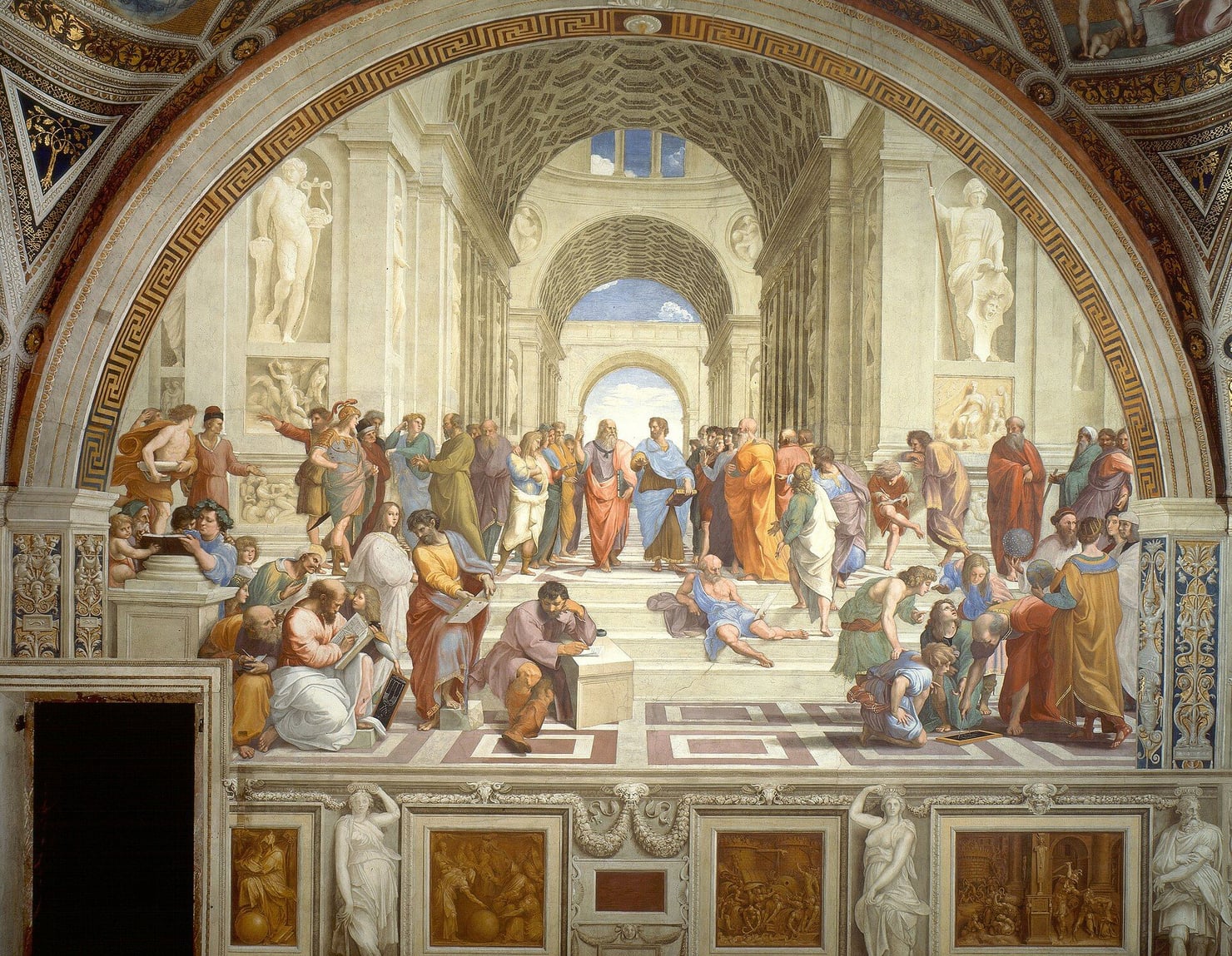
Fiori called art history ‘a training ground for skills’. In her view, studying works of art can develop abilities that are useful in working life and broaden a technical education.
The place of art history in these courses varies by specialism. The technical course in tourism, for example, already includes ‘Art and Territory’ for two hours a week in each of its final three years.
During the discussion, Irene Manzi, a Democratic Party member of the Chamber of Deputies, argued for a broad cultural education alongside specialist training. Barbara Floridia, a Five Star Movement senator, described art history as a way to recognise and understand what surrounds us, linking its teaching to informed participation in collective life.