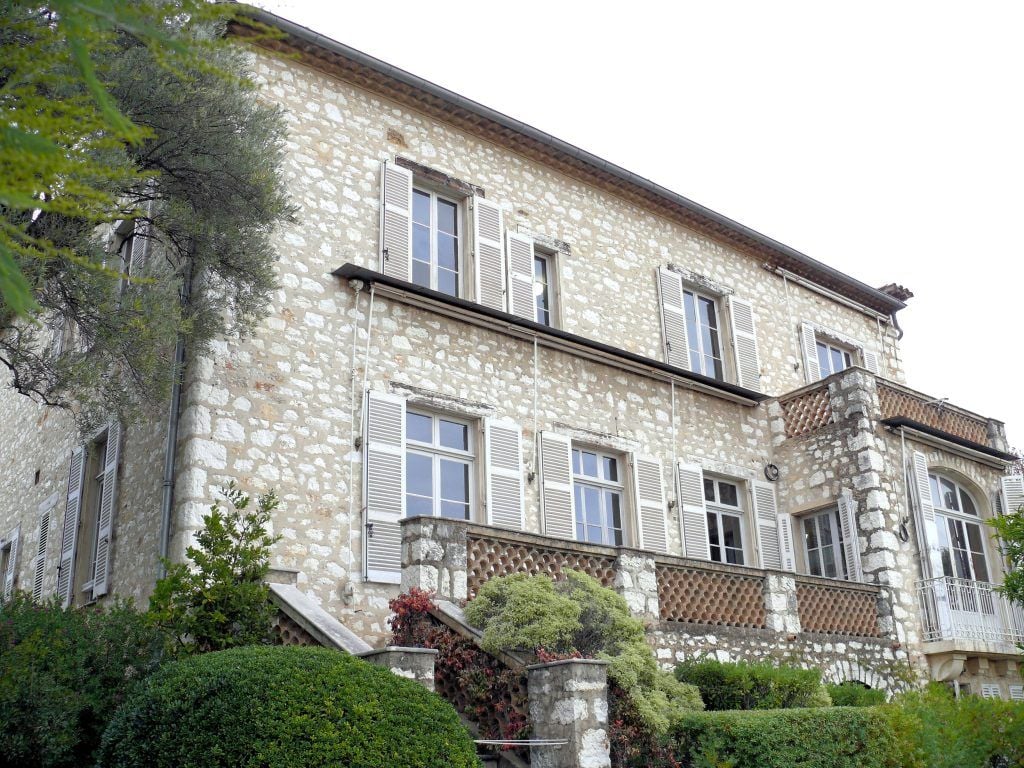
At 5:48 in the morning on 8 September, an alarm went off at the Musée Renoir in Cagnes-sur-Mer, on the French Riviera. By 5:53, five minutes later, municipal police were on the scene, a response time the town's mayor, Bryan Masson, singled out as remarkably fast. It made no difference. The thieves, at least two of them, caught on the museum's own security cameras cutting canvases from their frames, were already gone.
They took four paintings by Pierre-Auguste Renoir. One was abandoned during the getaway and recovered; the other three remain missing. Masson has put the combined value of the stolen works at around nine million euros. Prosecutors in Grasse have opened a flagrante delicto investigation, the kind reserved for crimes caught in the act, to trace the paintings and the people who took them.
What makes the target sting is the place itself. The museum occupies the Domaine des Collettes, the seven-acre olive and citrus estate Renoir bought in 1907 and moved into a year later, chasing the Mediterranean light in the last decade of his life. Crippled by arthritis, he kept painting outdoors here until his death in 1919, and even turned to sculpture, guiding a young assistant's hands when his own could no longer hold a chisel. The house still holds fourteen of his paintings and around forty sculptures. It is not a satellite collection. It is where he ended up.
'Targeting the Musée Renoir means attacking part of the history and heritage of Cagnes-sur-Mer,' Masson said, calling the theft 'particularly serious.'
The raid lands eleven months after thieves stripped eight pieces of the French Crown Jewels from the Louvre's Galerie d'Apollon in October 2025, a heist that exposed gaps in the museum's outer security and pushed heritage protection to the top of the Culture Ministry's agenda. Since then, a gold necklace from the Vix Treasure and works at the Lalique museum in Wingen-sur-Moder have also been taken. Three thefts, three different centuries of French patrimony, and so far, three cases still open.
Somewhere, three Renoirs cut loose from their stretchers are travelling without frames. What happens to a painting once it has been sliced from its museum wall, and who is waiting on the other end to receive it, is the part of this story that has not been written yet.


