How does a person with an intellectual disability understand a cultural space, find their way through it, communicate and take part in a visit? INCLUDE-ID starts from these questions and treats accessibility not as a set of tools added at the end, but as a quality of the experience as a whole.
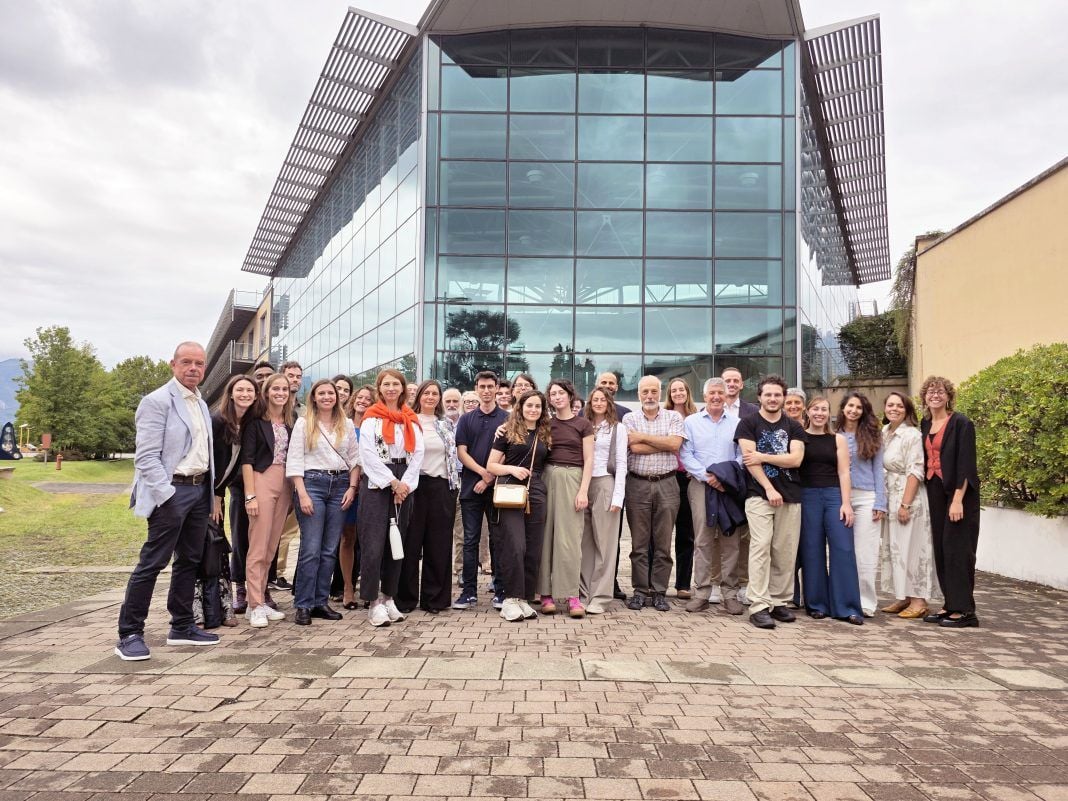
Coordinated by IRCCS Eugenio Medea, the project brings together ten partners from seven European countries. One of the Italian partners is L’abilità ETS, which contributes the experience of Museo per tutti, an initiative launched in 2015 to support understanding, orientation and participation for people with intellectual disabilities in museums and cultural sites.
The project brings this practical experience together with psychology and neuroscience, education, inclusive design, digital technologies and artificial intelligence. Technology is one component of the research, not its starting point. INCLUDE-ID also looks at how methods and tools can be shared across institutions without assuming that one solution will work for every museum.
In Italy, some of the methods developed through the project may be tested in cultural institutions in Lombardy, working with visitors, families and schools. The international programme also includes a pathway in Cardiff where young people with intellectual disabilities will take part in training to become guides and cultural mediators.
The most significant aspect of INCLUDE-ID is therefore its view of accessibility as a process involving space, language, relationships, training and participation. Not a device added to the visit, but a principle that can shape the way museums design the experience.


