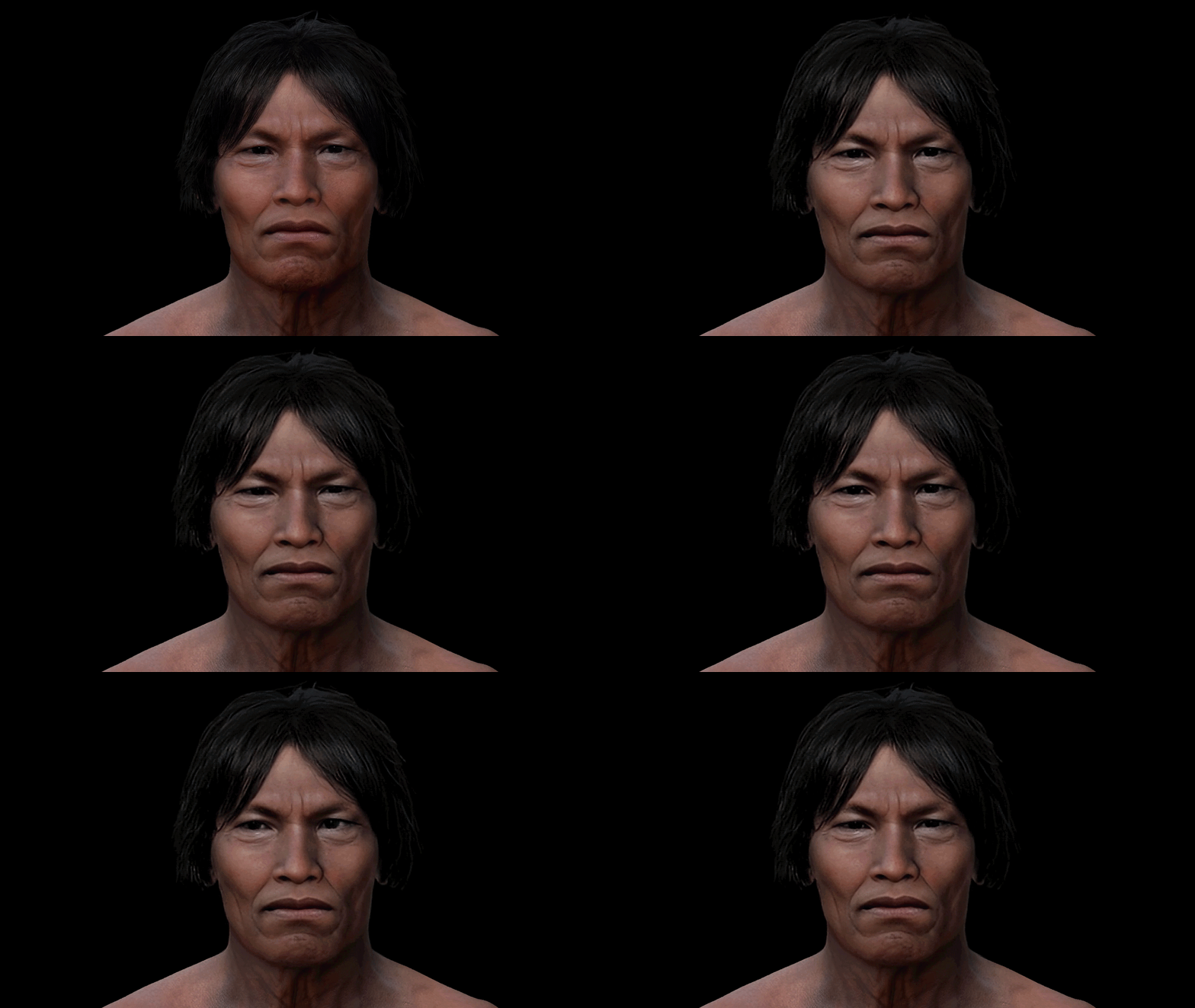
In the digital portrait of Punín-2, the man has black hair parted down the middle. No trace of his hair survives, so forensic anthropologist Christopher Rynn chose the style after consulting people from the area.
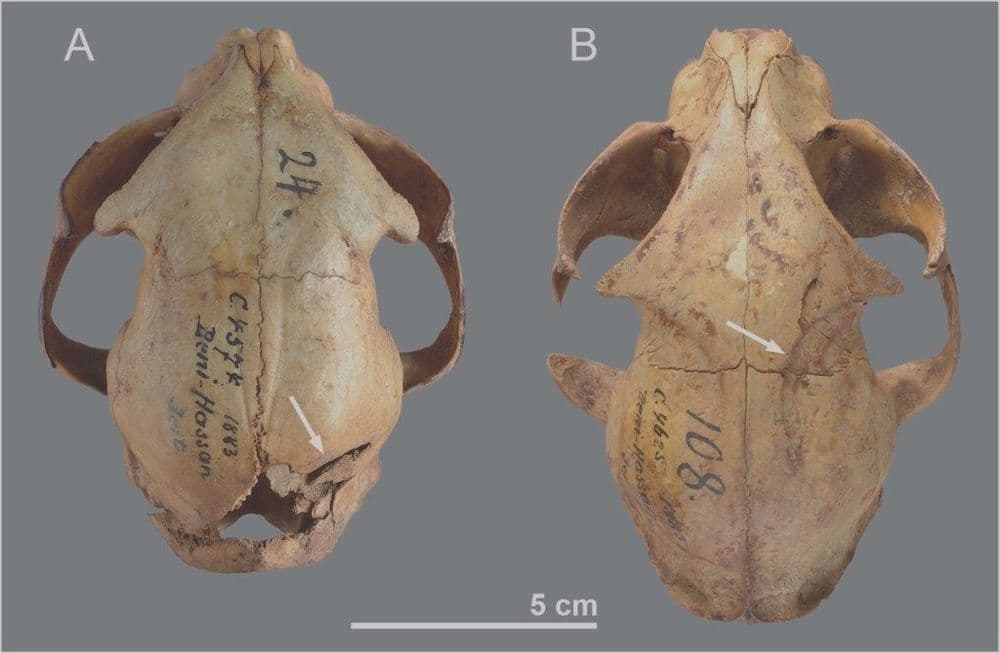
The skull was found in the 1970s in a ravine near Punín, in Ecuador’s central Andes. The man is thought to have lived between 3,000 and 4,000 years ago and to have been around 50 when he died. Rynn worked on the reconstruction with a group led by sculptor Héctor Flores Franco of the Universidad Nacional de Chimborazo.
The project began in March 2025 with a 3D scan of the skull. The digital model gave the team a basis for studying its features and reconstructing the shape of the face.
Rynn combined reference data on facial tissue depth with digital techniques and partial wax models. Conversations with people from the region informed the choice of hairstyle and prompted a review of the position of the eyes in an earlier version. The portrait was then shown to a small group of people from Chimborazo.
Those contributions helped complete the image, but they are not the same kind of evidence as the skull itself. Anatomical study underpins the general shape of the face; details such as the hairstyle are interpretative choices based on contemporary references.
The reconstruction cannot show exactly what the man looked like in every detail. It makes visible how biological evidence and interpretation come together when we try to give a face to someone from the past.