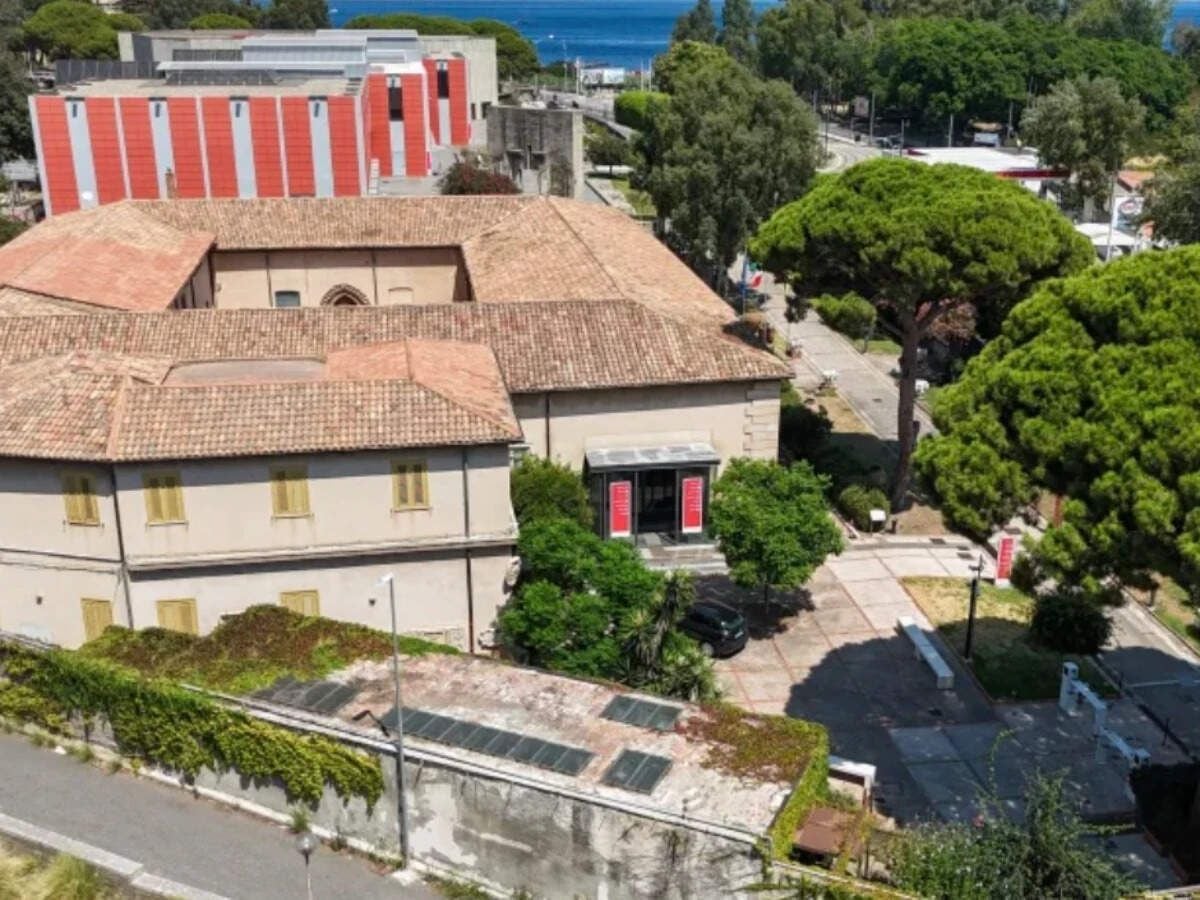
On Saturday evening, August 15, while Messina was out celebrating Ferragosto, someone broke into the city's regional museum and walked out with four paintings by Antonello da Messina, the Renaissance master born in that very city. Three were panels from the San Gregorio Polyptych, painted in 1473. The fourth was a small double-sided work showing the Virgin Mary and Christ in the Pietà, pulled from an armoured display case.
Then something odd happened. Two of the panels turned up abandoned outside the museum building, according to Italian broadcaster Rai News. The other two are still gone.
It is the kind of detail that makes investigators pause. Why steal four paintings by one of the most recognisable names in Italian art, only to leave half of them on the pavement? Lynda Albertson, chief executive of the Association for Research into Crimes against Art, told La Repubblica that an Antonello painting would be nearly impossible to sell through legitimate channels: it is too famous, too documented, too easily spotted. Works like these tend to vanish instead into the shadow economy of organised crime, traded between criminals or used as collateral, never touching an auction house.
That may be exactly what happened here, or the thieves may simply have panicked. Either way, the museum stayed closed on Sunday while investigators combed the scene, and attention has turned to how the theft happened at all: how four historically significant panels left a museum with active security systems, and why staff on duty that night are now part of the inquiry.
The San Gregorio Polyptych is not an ordinary target. It was made for a Messina monastery destroyed in the catastrophic 1908 earthquake, and only five of its original panels survive anywhere. Three were taken on Saturday. Museum director Marisa Mercurio called the works irreplaceable to the city's identity; culture councillor Enzo Caruso called their loss a disaster for Messina itself, a place asking what it means to lose a piece of the artist it claims as its own.
The timing is not incidental context, it may be the plan. Ferragosto is the loudest, busiest week of the Italian summer, and investigators are now examining whether the crowds and disrupted routines gave the thieves their opening.
The case lands just as Antonello's market value has spiked: Italy's Culture Ministry paid roughly 14.9 million dollars for his Ecce Homo from Sotheby's earlier this year, a sale that put fresh international attention, and perhaps fresh temptation, on everything else he ever painted. Two of his paintings are back. Two are still out there.


