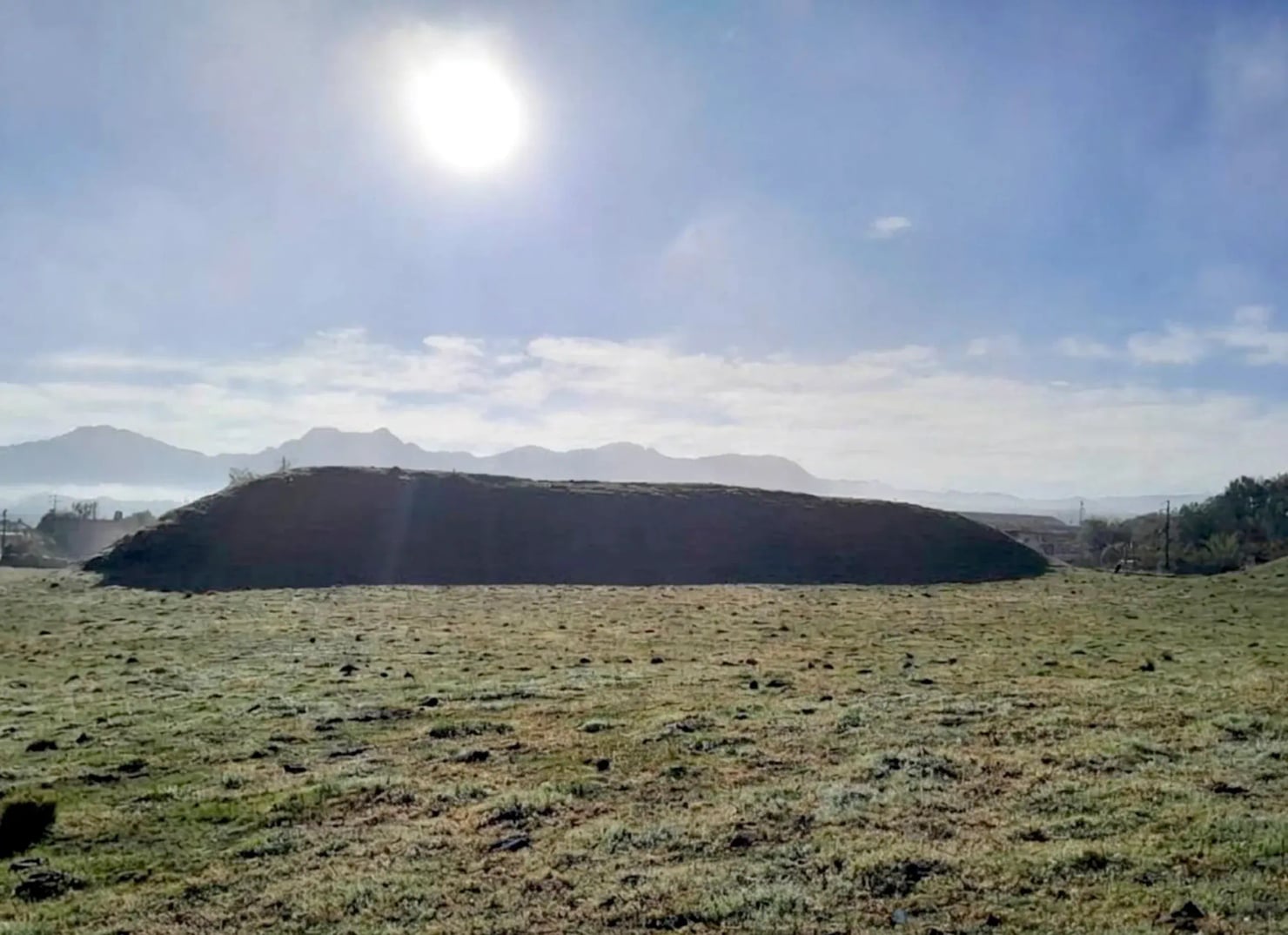
At Tetelihtic, in Puebla’s Sierra Norte, the placement of buildings was linked to observations of the sky, according to Mexico’s National Institute of Anthropology and History (INAH). The institute interprets the site at Teteles de Ávila Castillo as a solar observatory used more than 2,500 years ago.
The complex includes a four-sided courtyard bounded by two platforms. The smaller western platform served as an observation point; the elongated eastern one measures 90 metres by 40 metres. Researchers examined how the spaces were arranged and oriented, comparing them with other Mesoamerican complexes.
According to Alberto Diez Barroso Repizo, director of the archaeological project, the elongated platform made it possible to identify the start of the pre-Hispanic Mesoamerican calendar in February and the harvest period in October. Its centre did not mark the equinoxes, he says. INAH also states that observations made in relation to the eastern platform allowed people to track the sun at sunrise around the equinoxes and solstices. The institute’s interpretation thus connects the architecture with observations of the sky and the timing of agricultural activities.
The site was partially abandoned around AD 100. Offerings placed at the edges of the ceremonial enclosure between AD 100 and 600 suggest, according to INAH, that people continued to visit it as a place of worship after that partial abandonment.