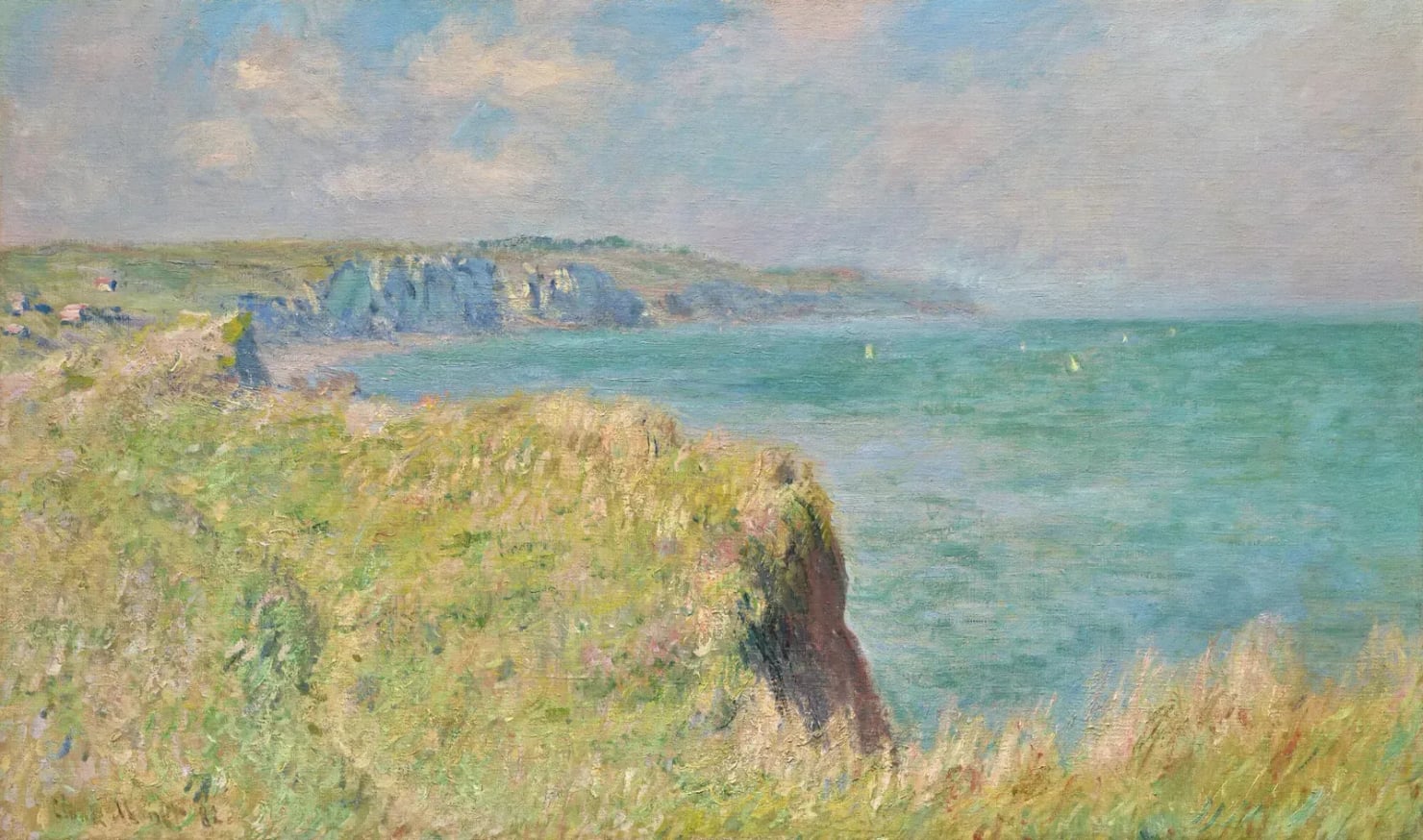
In 1876, a Parisian critic walked into a gallery of paintings with visible brushstrokes and loud, unnatural colour and declared it a mental asylum. The paintings were Impressionist. The man who had rented the gallery, funded the artists, and bought their canvases at his own auctions to keep prices from collapsing was Paul Durand-Ruel, and by most sensible measures he should have been ruined.
He was, repeatedly. By his own account he risked bankruptcy some twenty times over. He paid stipends to painters nobody wanted, propped up exhibitions that lost money, and kept buying Monets and Renoirs and Pissarros while the Parisian press mocked them as lunatics and mocked him as the madman who bought a lunatic's work. Monet said it plainly in 1924: without Durand, the Impressionists would have starved.
Next month, Christie's will auction more than sixty paintings from Durand-Ruel's private estate, works that have stayed inside his family for over a hundred years and are only now reaching the open market. The sale, called Durand-Ruel, Generations of Vision, is expected to bring in between $35 million and $50 million during Paris Art Week in late October.
The centrepiece is Monet's Bord des falaises à Pourville, painted in 1882 during what Christie's describes as a period of profound self-doubt for the artist. Durand-Ruel's response survives in writing: 'I wish I could send you courage as well... The trials you are enduring will prove beneficial to you.' The painting is estimated at up to $17.4 million. Also on the block: a Sisley winter landscape of Louveciennes, a Pissarro view of the Louvre under snow, a Renoir beach scene with two girls, each carrying six or seven figure estimates that would have seemed absurd to the critics who once called this movement a hoax.
Durand-Ruel found his real audience not in Paris but in New York, where collectors embraced the Impressionists in 1886 after French buyers had spent a decade turning up their noses. He never stopped chasing new ground: as his great-great-granddaughter Claire Durand-Ruel told the Guardian in June, his policy was simple. You cannot bring people to your gallery, so the paintings have to go to them.
He died in 1922, not long after writing that his madness had been wisdom, and that dying at sixty would have left him bankrupt and surrounded by a fortune of underrated treasures nobody yet wanted. He lived to see the opposite happen. This October, his family will sell the proof.


