The Museo Nacional Thyssen-Bornemisza is preparing a new venue for contemporary art in Madrid’s former Palacio del Hielo y del Automóvil, only a short distance from its current building. The new site will house 365 works from the TBA21 Collection and will focus primarily on twenty-first-century art.
The most significant aspect of the agreement, however, is the way these works will enter the museum. 186 works will be donated by Francesca Thyssen-Bornemisza and her heirs, becoming fully and permanently part of the public collection. A further 179 will remain the property of TBA21 and will be made available to the museum through long-term loans.
For visitors, the two arrangements may appear to produce the same result: works from the collection will be accessible within a public museum. But their status is different. In one case, ownership changes; in the other, what changes is the long-term availability of the work to the public.
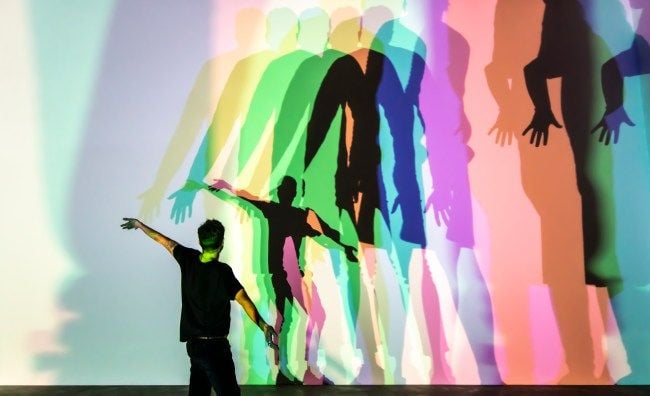
The selection includes works by Ai Weiwei, Marina Abramović, John Akomfrah, Seba Calfuqueo, Olafur Eliasson, Ernesto Neto and Bill Viola. The collaboration between the Thyssen and TBA21 began in 2018 and has already brought exhibitions and contemporary art projects into the museum’s galleries.
The new venue will occupy part of a public building that still has to be redeveloped. Spain’s Ministry of Culture expects work to begin in 2029, with the site potentially opening around 2032. Alongside exhibition spaces, the project includes areas for research, conservation, education and public engagement.
The project therefore expands the Thyssen in two ways: physically, through a new venue, and institutionally, through a more stable relationship between a private collection and public heritage. That is why the distinction between donation and loan matters: making an artwork accessible to the public does not necessarily make it public property.


