By the time the two stolen Turners returned to Tate, the museum had already bought back legal title to the missing paintings from its insurers. Recovering the canvases and managing the insurance proceeds were two strands of the same story, involving separate decisions and approvals.
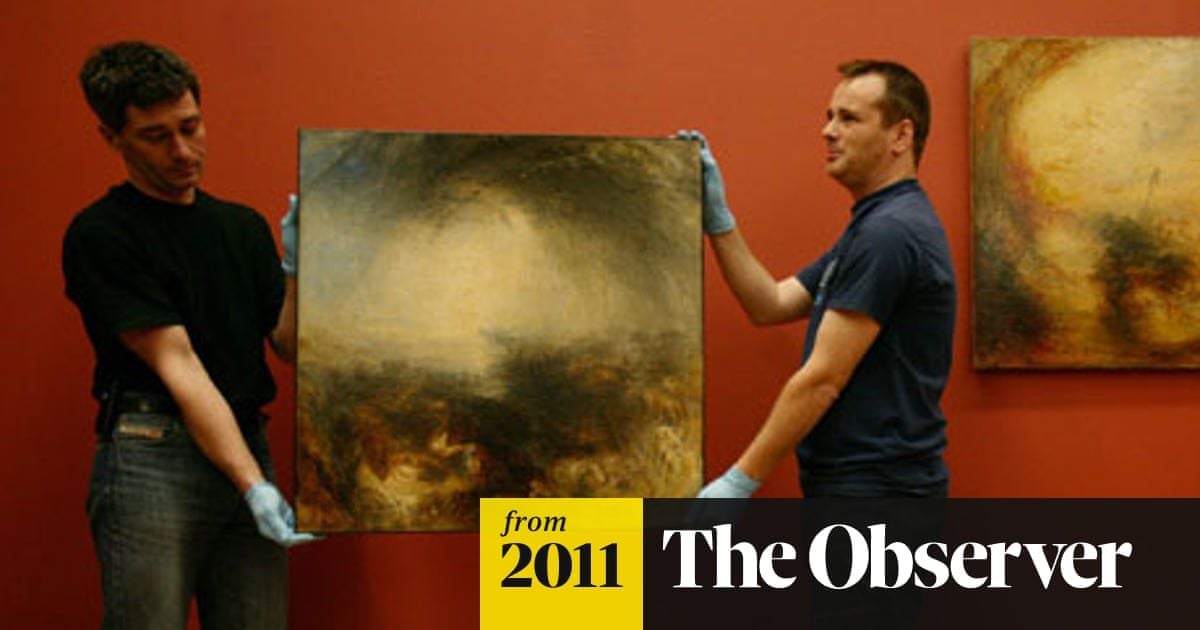
The paintings had been stolen in 1994 from the Schirn Kunsthalle in Frankfurt, where they were on loan. They were Shade and Darkness and Light and Colour, both dating from 1843. Sandy Nairne, then Tate’s director of programmes, coordinated the search. He later recounted the experience in Art Theft and the Case of the Stolen Turners, published in 2011.
In 1995, Tate received a £24 million insurance payout, and ownership of the paintings passed to the insurers. While the works were still missing, the museum bought back legal title for £8 million. If they resurfaced, they would return to the collection without Tate having to repay the full insurance settlement. This left a difference of £16 million before recovery costs.
Bringing the canvases back took years of negotiations, in which the German lawyer Edgar Liebrucks played a crucial role. The first painting was recovered in July 2000, the second in December 2002. Total recovery costs reached £3.5 million, including professional fees and expenses.
In a 2011 interview with The Art Newspaper, Nairne described the agreed payment as a fee for information leading to recovery. He rejected the term “ransom” and pointed to the approvals obtained from the authorities. He said he did not know who ultimately received the money paid through the lawyer, while maintaining that the recipients were neither the thieves nor those who had organised the theft.
In December 2002, both paintings were restored to the Turner Bequest, the artist’s legacy to the nation. Tate’s 2004–2005 accounts record the Charity Commission’s agreement that the remaining funds could be used for Tate’s general purposes, benefiting the collection as a whole. The trustees placed the money in a designated fund: £10 million formed a capital fund whose income would support acquisitions, while the balance was allocated to the long-term care of the collection, research, conservation and improved access to Tate’s collection store in Southwark.