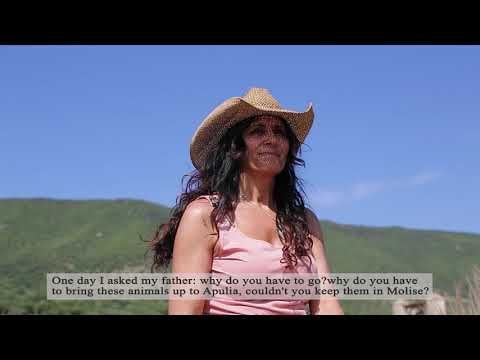
n spring and autumn, herders move their livestock between seasonal pastures. When they travel on foot, dogs help guide the animals, and families sometimes join the journey. On some mountain routes, livestock head up to higher pastures for the summer and return to the valleys for the winter.
UNESCO inscribed transhumance on the Representative List of the Intangible Cultural Heritage of Humanity in 2019, following a joint nomination by Italy, Austria and Greece. In 2023, the inscription was extended to Albania, Andorra, Croatia, France, Luxembourg, Romania and Spain.
Communities along pastoral routes hold festivities to mark the passage of flocks and herds. Celebrations sometimes begin before departure, when herders mark their animals with distinctive colours and symbols. Local communities, associations and networks of livestock farmers also run workshops to pass on practical herding skills.
According to the nomination dossier, most learning takes place within families. Season after season, less experienced herders work alongside those who know the route. By taking part in the journey, they learn to find their way, recognise what the animals need en route and manage the pastures once they arrive.
- Commissione Nazionale Italiana per l’UNESCO
- UNESCO Intangible Cultural Heritage, scheda dell’elemento 01964
- UNESCO, esame delle candidature alla Representative List nel 2023
- Ministerio de Cultura de España, formulario di candidatura UNESCO
- ich.unesco.org
- UNESCO Intangible Cultural Heritage
- Commissione Nazionale Italiana per l’UNESCO