In 1955, someone told a teenage Claude d'Orléans that photojournalism "was not a job for women, let alone for a princess." She was a princess of France, born in Morocco in 1943, raised in Portugal, educated between France and England, and she had been fascinated by photography since childhood. The advice did not stick, but it did delay things.
A few years later, her then husband, Duke Amedeo d'Aosta, gave her a semi-automatic Kodak. That camera became the real beginning. From it grew a habit that lasted a lifetime: collecting images wherever she went, long before anyone was calling it an exhibition. Her first show opened in Bologna in 1973, eighteen years after she had been told to stop before she started.
Now a selection of that life's work is on view in Florence, in an exhibition called 'Wallpaper', staged inside the Sebastian Flowers boutique from 9 September until 31 October, as reported by ANSA. The setting is unconventional for a princess's retrospective, and that suits the subject.
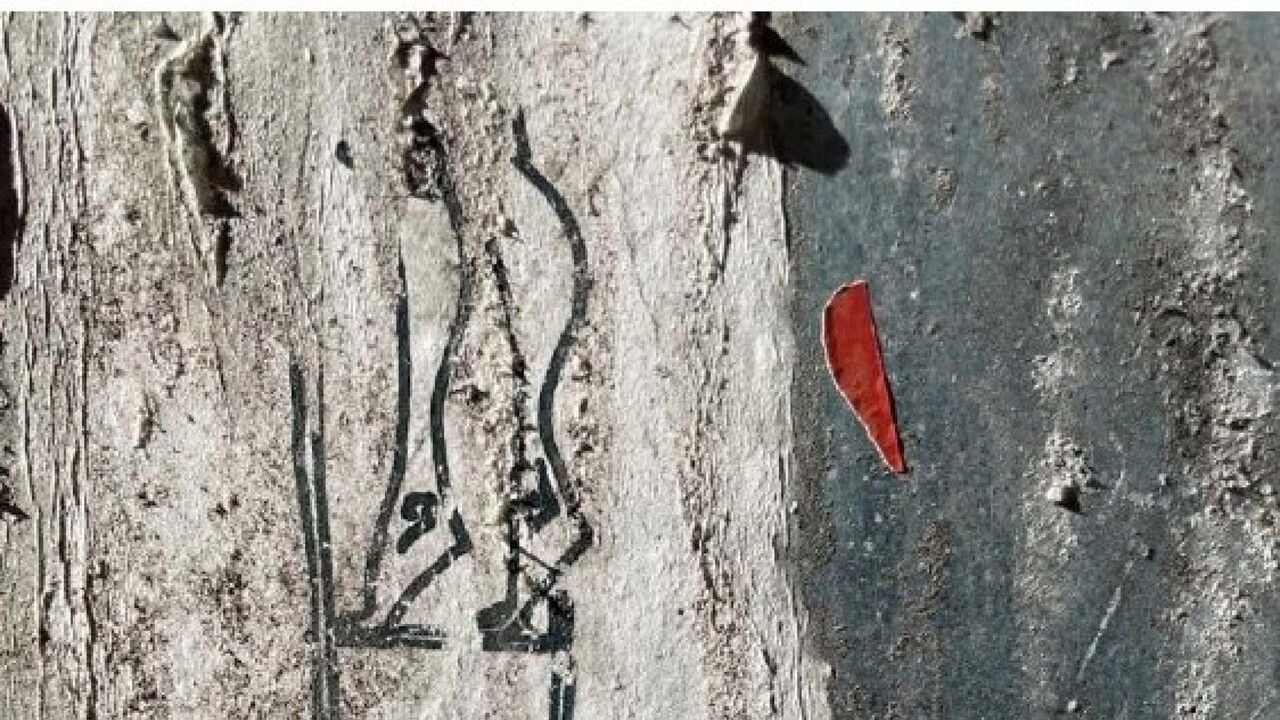
What d'Orléans photographs is not palaces or portraits. It is what she herself calls the "poetry of decay": posters torn by hands or by weather, advertisements bleached pale by the sun, layers of colour and text colliding on a city wall like accidental urban canvases. She has been collecting these fragments for decades, across the places her life has taken her, treating peeling paper the way other photographers treat monuments.
There is a quiet irony in it. A woman born into one of Europe's grandest dynastic names, told her ambition was unsuitable for her rank, chose to spend her career pointing a lens at things actively falling apart in public: torn advertising, sun-damaged posters, the visual debris that most people walk past without seeing. It is a body of work built on exactly the kind of subject nobody expects a princess to notice, let alone find beautiful.
The 1955 rejection is easy to read as a closed door. It reads differently once you know what came after: not defiance exactly, more a decades-long refusal to stop looking. 'Wallpaper' does not try to correct the record with grand statements. It simply hangs the evidence on the wall, layer over layer, the way the city itself does.


