A corridor can shape a conversation. People signing in British Sign Language while walking together need room to see one another’s hands and faces. Needs like these are the starting point for DeafCity Hub, Amanprit Arnold’s plan for a Deaf-led cultural and shared working space in London.
In 2027, DeafCity Hub will have a space for 12 months with The Lab W1, secured through a collaboration with Westminster City Council and Oxford Street Development Corporation. It is a ‘meanwhile space’: a building used temporarily while it awaits redevelopment. There, the project can be developed and tested.
The pilot space will not be the permanent home Arnold envisages. That will require funding and a property partner. The aim is not simply to make an existing cultural venue accessible, but to create one designed and run by the community it serves. Capitalised, ‘Deaf’ refers to a shared cultural and linguistic identity.
Across the UK, associations, venues and clubs offer places to meet, but there is still no national centre dedicated to Deaf arts. That absence sits alongside the growing visibility of Deaf people and sign languages in film, television and theatre in recent years.
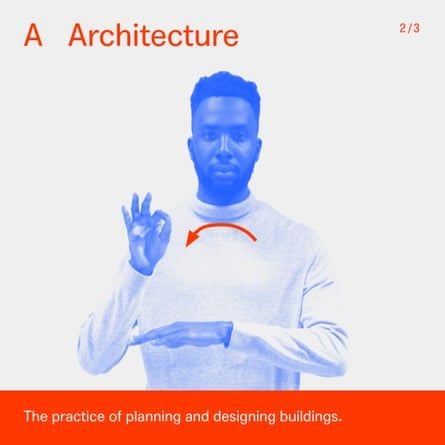
For a permanent home, Arnold looks to DeafSpace principles, which take account of how sight and space shape communication. Wide corridors and stairways allow people to keep signing as they walk together. Clear sightlines between rooms and seating arranged in circles help everyone see the hands and faces of others in a conversation. The layout follows the way people use the space.
DeafCity Hub also has a historical predecessor. Plans drawn up in 1986 for an International Deaf Cultural Centre in London were never realised. Arnold has kept the materials, including designs for a building with an archive of Deaf history, a theatre and an exhibition space. Those plans did not yet follow DeafSpace principles, but they offer a precedent for the new project.
The temporary space opening in 2027 will not, then, be the centre Arnold ultimately hopes to build. It will be a place to develop and test the model, and to show what changes when a cultural venue is planned around the needs of the Deaf community.


