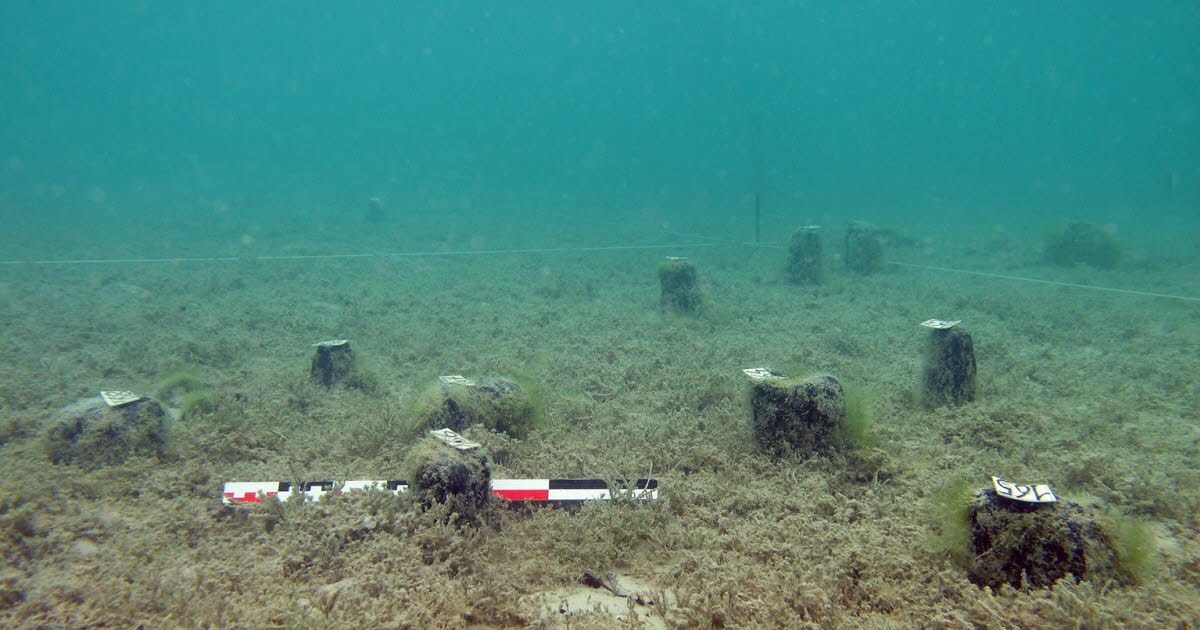
Beneath the waters of Haute-Savoie’s lakes lie posts, structures and objects from villages built along their shores between the Neolithic and Bronze Age. France’s Ministry of Culture explains that wet, low-oxygen conditions have also preserved organic materials, including wood, plant fibres and textiles, which are rarely found at sites on dry land.
But the survival of these remains depends on conditions in the lakes. Prolonged periods of low water can expose them to the air or leave them in shallow water, where erosion may accelerate.
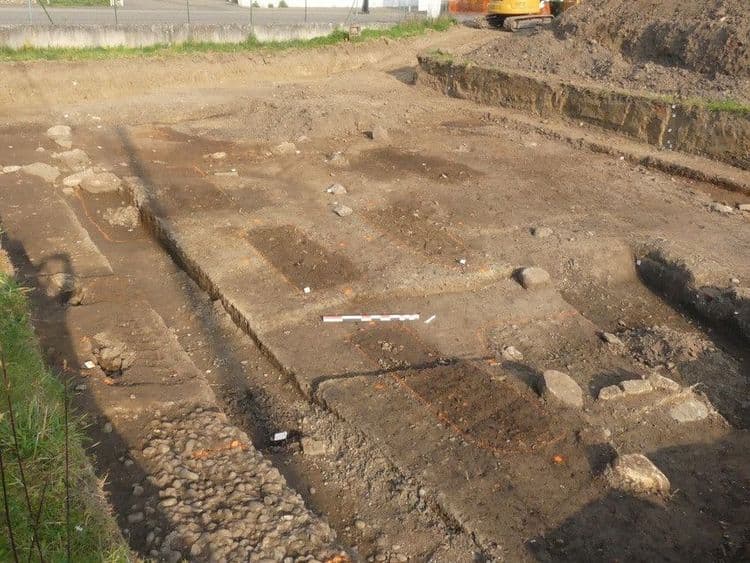
Between 2015 and 2018, monitoring campaigns took place at sites in the Savoyard lakes. The Regional Directorate of Cultural Affairs (DRAC) coordinates site monitoring, with scientific support from the Department of Underwater and Submarine Archaeological Research (DRASSM). The work includes surveys, assessments of the remains’ condition and monitoring of risks.
Robin Brigand, an archaeologist at DRASSM, stresses the urgency of documenting the sites before they disappear and the information they hold can no longer be accessed.