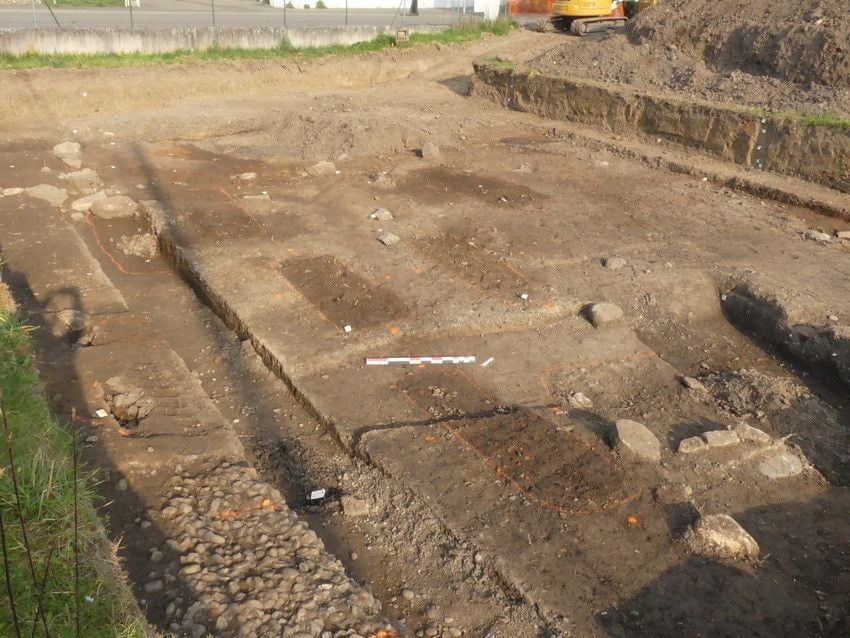
Weapons, precious ornaments and horse burials distinguish the small funerary complex discovered by Inrap at Horbourg-Wihr, near Colmar in Alsace. Dated to the second half of the fifth century, it contains fourteen human graves. The institute highlights its importance for understanding a poorly documented period in the region, between the end of the Roman Empire and the Merovingian era.
The preventive excavation, carried out ahead of housing construction, identified eleven burials of adults or older adolescents, three of children and two of horses, buried with elements of their harnesses. The graves occupied part of an earlier Gallo-Roman neighbourhood inhabited from the first to the third century. During the fourth century, silt deposits covered the area, which subsequently saw sporadic activity before the burial ground was established.
Two male burials contained swords, scramasaxes—long fighting knives—shields and angons, a type of javelin. According to Inrap, gold and silver fittings set with garnets, decorating clothing and weapons, indicate the privileged status of the deceased. The institute compares these assemblages with those found in the graves of leaders of Germanic origin or federates incorporated into the Roman army. These comparisons help interpret the burials without establishing the affiliations of individual people with certainty.
Two other graves stand out for goods described as feminine, including silver and gilded-silver brooches, glass-bead necklaces, buckles and a bone comb.
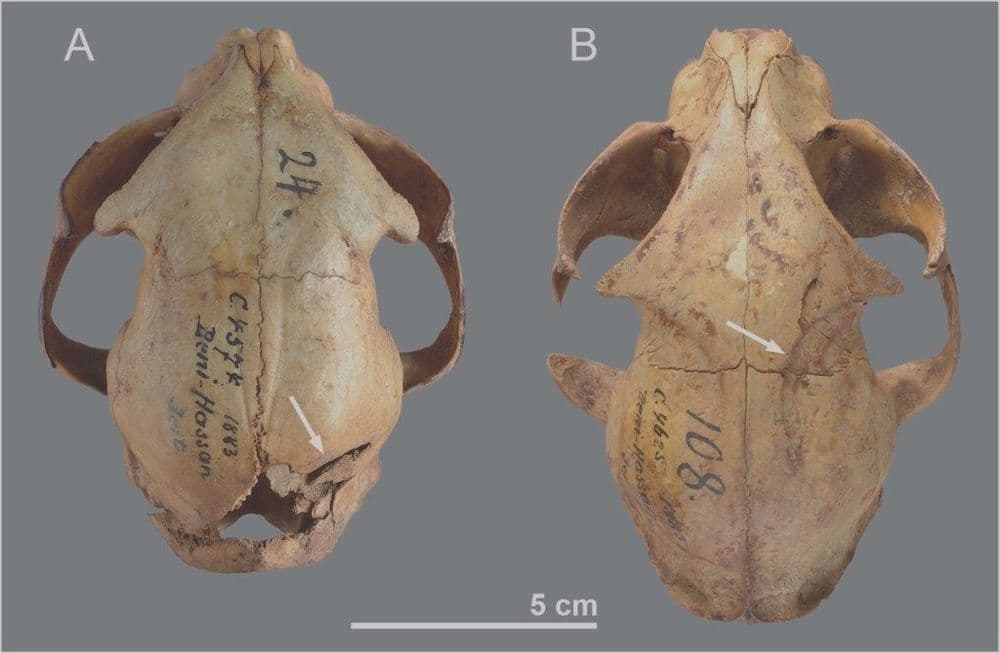
The human remains add another dimension to the evidence from the grave goods. During excavation, archaeologists identified probable fractures and, in two individuals, injuries likely caused by bladed weapons. According to Inrap, the absence of bone healing around these injuries suggests that death followed soon after the violent incidents. The researchers interpret these findings as indications that the martial attributes represented in the graves may have reflected experiences during life. The forthcoming anthropological study will test these preliminary observations.