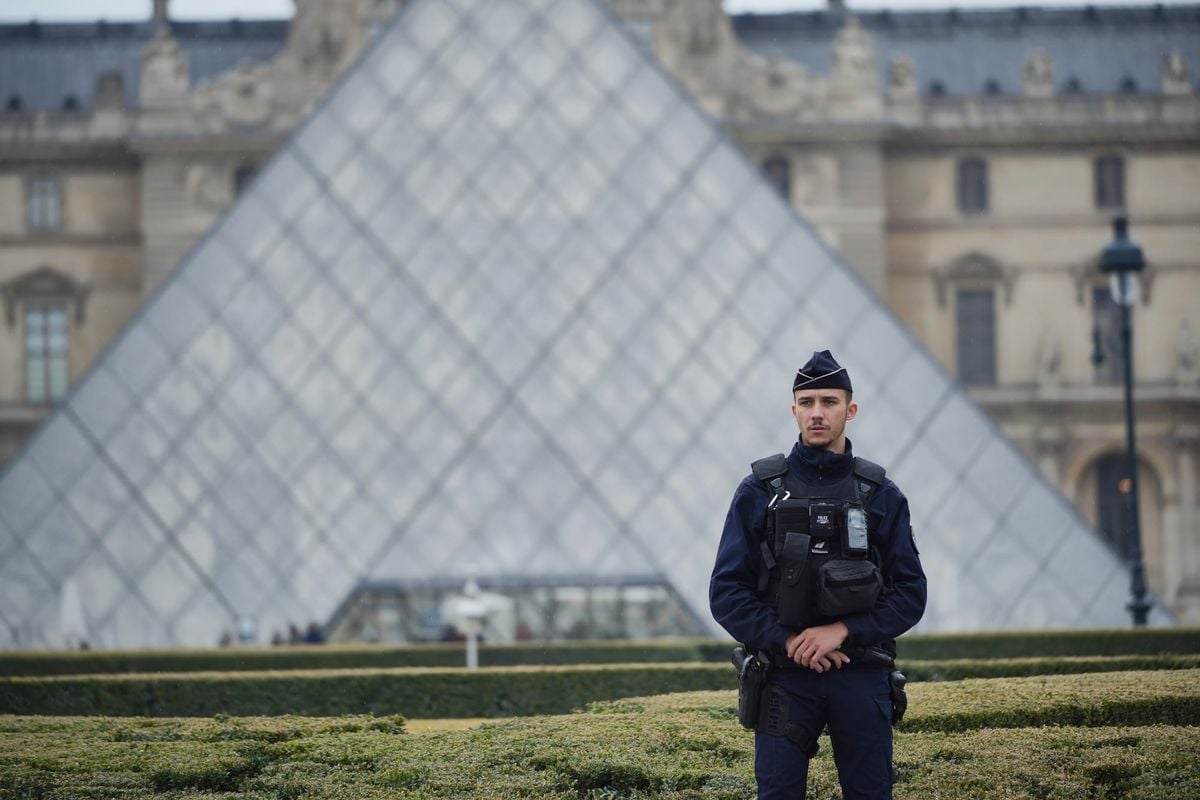
Two thieves entered the Renoir Museum in southern France on 8 September 2026 and took two paintings in less than five minutes. The break-in followed thefts from two Italian museums earlier in the year, where works by Renoir, Cézanne and Matisse, as well as four Renaissance works, were taken. It also came after the daytime jewellery heist at the Louvre in Paris.
Together, these crimes have created the impression of a wave. Europol warned last month that museum robberies were becoming ‘almost a weekly occurrence’, with offenders increasingly using force and violence. Yet the available evidence does not establish a long-term increase in thefts. Donna Yates, UNESCO Chair in Cultural Heritage and Emerging Crime at Maastricht University, has pointed to the limited systematic research on the frequency, targets, methods and perpetrators of these crimes.
What the recent thefts highlight more clearly is that collections of immense cultural and scientific significance are not confined to Europe’s largest institutions. Municipal and regional museums, including many of those targeted in the past year, often operate with far fewer resources than national institutions such as the Louvre. Museums are also increasingly underfunded, Yates told Hyperallergic.
The thefts expose a difficult choice at the centre of museum security. Institutions could remove their most desirable works from display and keep them permanently locked away. That might reduce some risks, but it would also mean sacrificing part of the public purpose of museums.
There is not yet enough evidence to say that the Louvre robbery inspired copycat attacks, or that insurance payments or commissioned thefts motivated the crimes. What the cases show is that protecting heritage depends not only on security measures, but also on whether museums have the resources to care for collections while keeping them available to the public.


