At the Pinacoteca Nazionale, more than thirty works usually kept out of view are returning to the galleries. The exhibition connects display, conservation and the study of the collection.
From 2 October 2026, the Pinacoteca Nazionale di Bologna will present Il cielo in terra. San Francesco e Bologna tra Cinque e Seicento, an exhibition bringing more than thirty paintings out of storage after cleaning and conservation work.
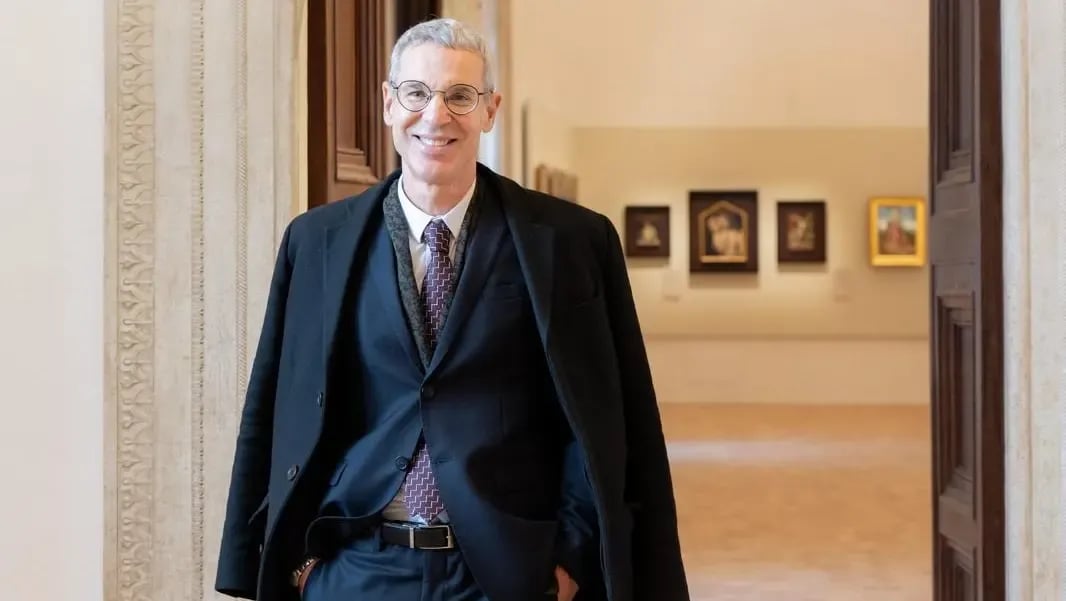
The exhibition creates new relationships between works that are not normally seen together. Among them are twelve paintings by Mastelletta from the Basilica of San Francesco, which will be shown as a single group. According to Luigi Gallo, director of the National Museums of Bologna, seeing them together makes it possible to read the series as a whole rather than as isolated works.
The exhibition is part of a broader effort to reconsider the relationship between collections, storage and the public. Nine paintings have already moved from storage into the Pinacoteca’s galleries, while the museum also plans activities explaining what storage areas are and what role they play in the life of a collection.
The significance of the project lies not only in bringing lesser-seen works back into public view. It also makes more visible the work that accompanies a collection over time: conservation, study, comparison between works and decisions about what is displayed.
Storage therefore appears not as a space separate from the museum, but as an active part of its life. Not everything can be exhibited at once, yet works kept outside the galleries continue to contribute to the knowledge and history of the collection.


