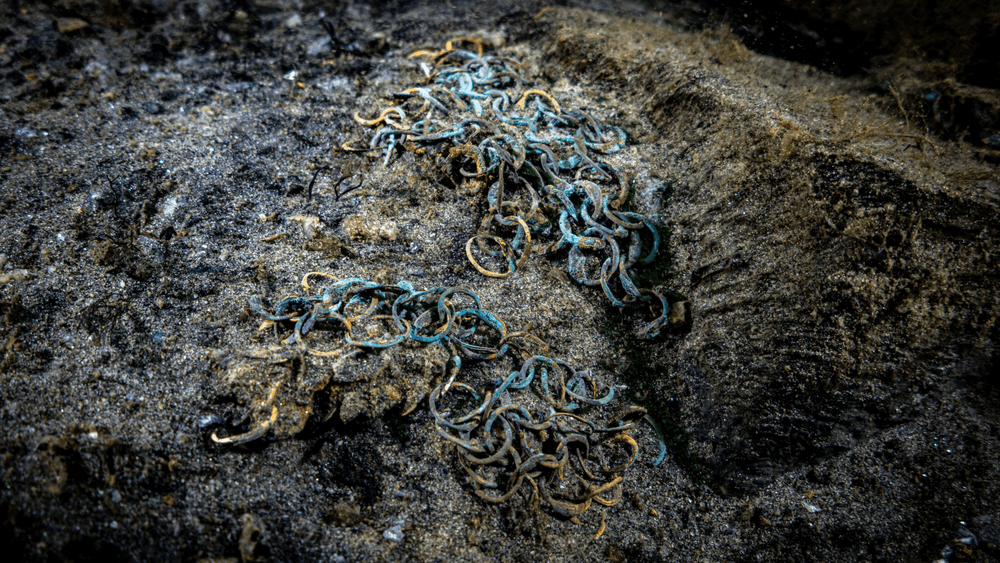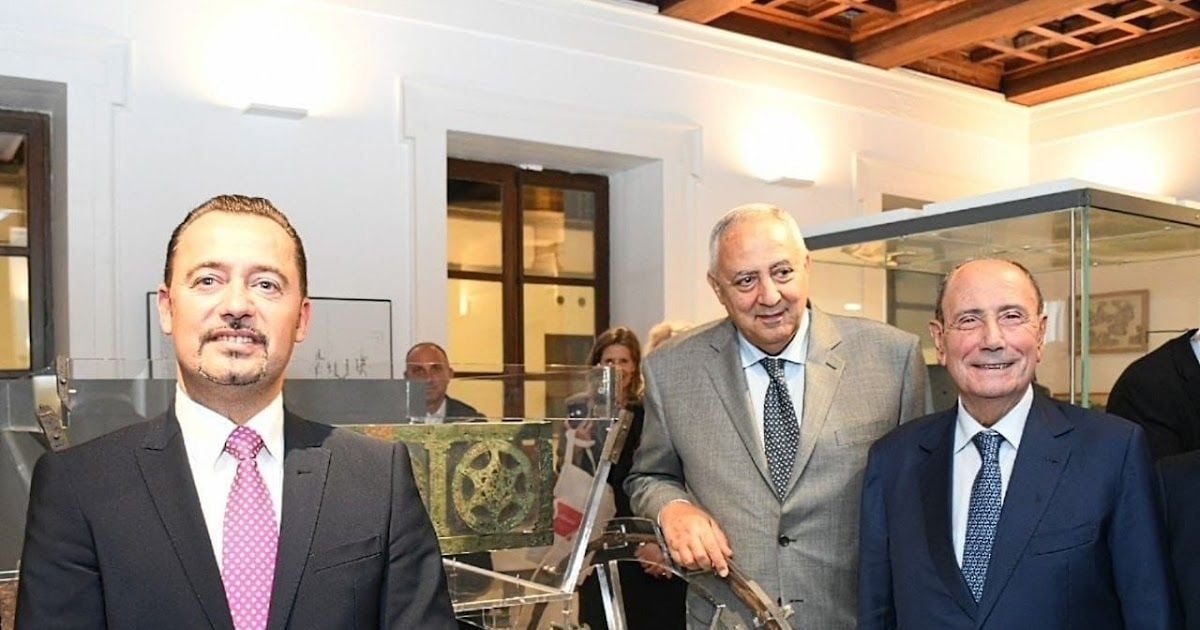
The remains of a ceremonial chariot from the House of Sallust in Pompeii, dating to the first century AD, are on public display for the first time at Palermo’s Antonino Salinas Regional Archaeological Museum. A team of six female archaeologists identified the components by comparing them with the chariot discovered at Civita Giuliana in 2021 and researching the museum’s stores and archives.
The objects had reached Palermo through Bourbon royal donations in the early nineteenth century. They had been studied but never exhibited. Speaking to ANSA, archaeologist Laura D’Esposito, who works with the Salinas Museum, recalled noticing similarities between the first images of the Civita Giuliana chariot and bronze components held in Palermo. Further evidence came from the excavation diaries of Pietro La Vega, which mentioned the remains of “one or more chariots” in the House of Sallust.
The display coincides with the reopening of the museum’s first and second floors to the public on 6 November 2026. This completes the restoration and redisplay programme begun in 2009, following the reopening of the ground floor in 2016.
Most of the identified components have been restored and mounted on a Perspex structure that recreates the rear section of the vehicle. As museum director Giuseppe Parello explained to ANSA, the reconstruction is a hypothesis based on comparison with the Civita Giuliana chariot and remains open to revision and further additions.