A shortage of funding and pressure from economic development are among the difficulties most often raised in the 372 nominations for World Monuments Watch 2027. According to World Monuments Fund figures, 65 per cent of those who nominated a site cited these concerns, compared with 55 per cent in 2024.
Every two years, the Watch selects 25 places to draw attention to their conservation needs and mobilise support. Individuals and organisations, including local community groups, can submit nominations. The percentages therefore reflect concerns raised by those taking part in the selection process. The sites chosen for the 2027 cycle will be announced early next year.
Bénédicte de Montlaur, director of the World Monuments Fund, says reductions in public funding are making conservation harder to sustain, particularly in Europe and the United States. She considers continued public investment essential, alongside broader support from individuals, foundations, businesses and local communities.
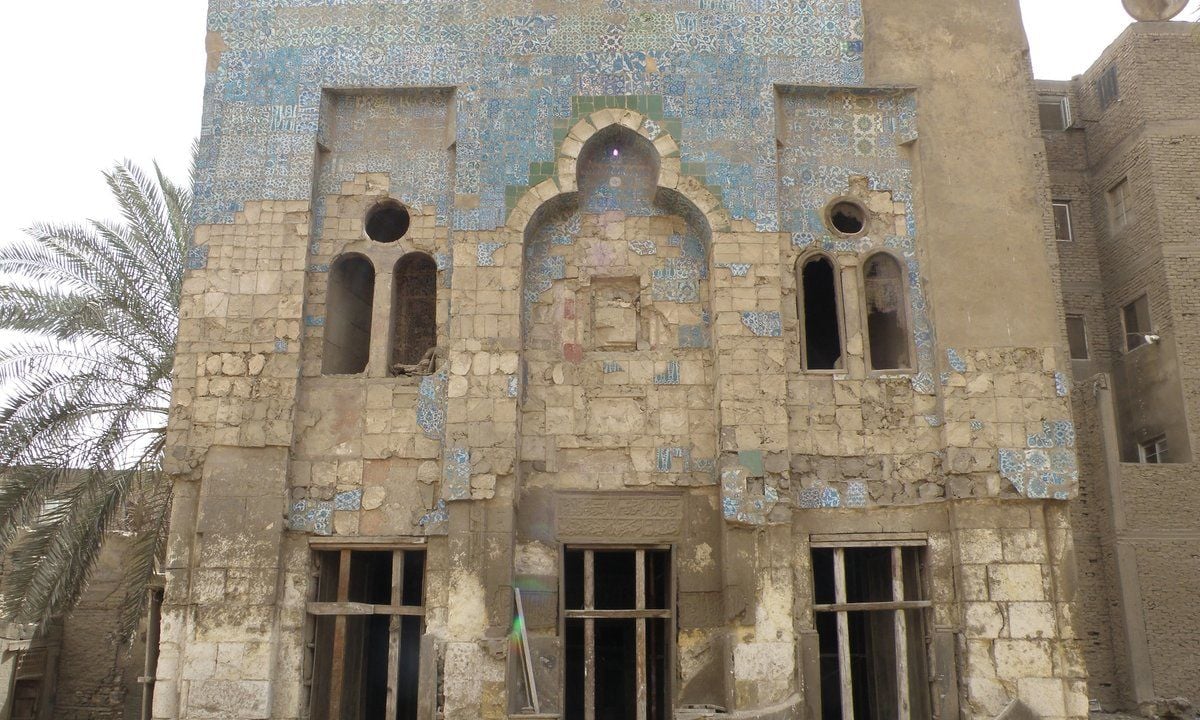
Around 35 per cent of nominations also identify a need for technical skills: reviving traditional crafts and training new conservation professionals. One example is Takiyyat Ibrahim al-Gulshani, an early 16th-century Sufi complex in Cairo. There, the World Monuments Fund is working with Egypt’s Ministry of Tourism and Antiquities to give people in training, including university students, practical experience of conservation work.
Around 30 per cent raise concerns about extreme weather, including floods, storms, droughts and fires. The Osun-Osogbo Sacred Grove in Nigeria, a UNESCO World Heritage site, has suffered severe damage from windstorms. Conflict and peacebuilding are also among the issues affecting sites in regions such as the Middle East and Africa.
The nominations describe what conservation could make possible, too. More than 60 per cent identify opportunities to support local economies through sustainable tourism, urban regeneration, employment and specialist skills. Those possibilities depend in part on the funding and expertise that many of the nominations say are lacking.


