Archive
Everything this edition has published, most recent first. Browse it whole, or narrow it down to one section and one period.
131 articles in this edition.
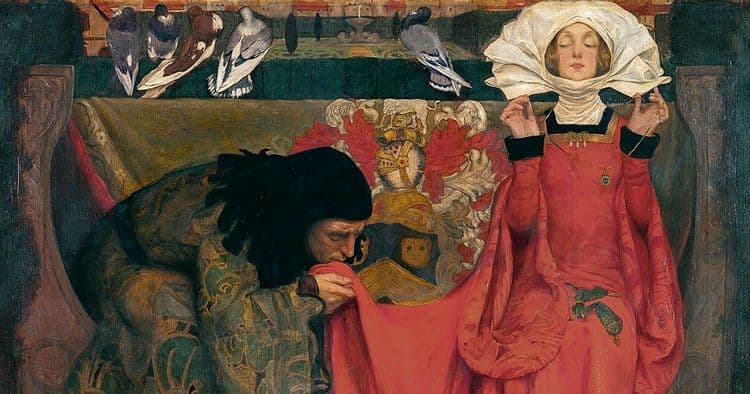
Women artists and the making of Pre-Raphaelite art
An exhibition in Madrid brings together painting, photography and decorative arts to show how women developed Pre-Raphaelite ideas while working within the constraints of their time.
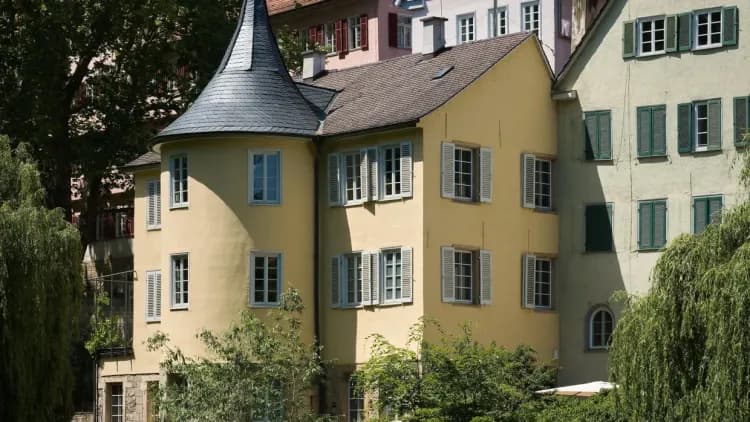
At Hölderlin’s tower, an exhibition explores writing in times of crisis
In Tübingen, poems written by Friedrich Hölderlin sit alongside contemporary accounts of crisis in an exhibition that asks what writing can offer, and where its limits lie.
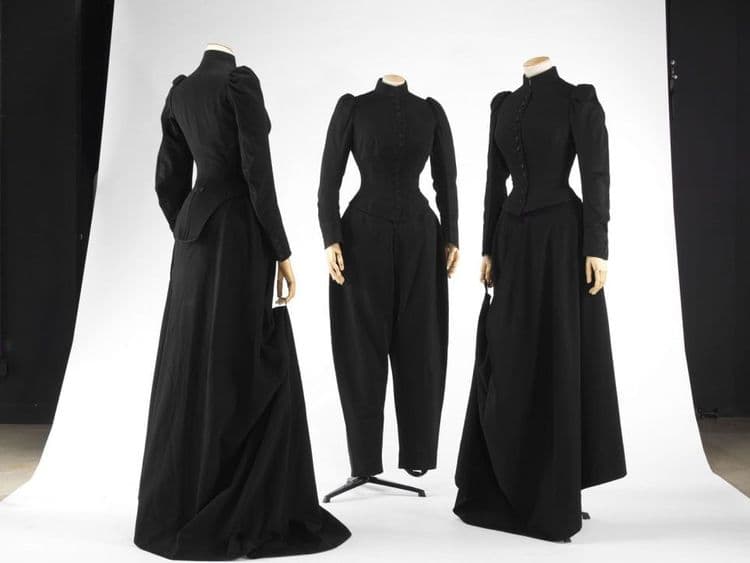
Riding breeches, workwear and women’s place in public life
From a princess’s riding breeches to a carpenter’s work clothes, an exhibition explores how dress shaped women’s freedom to move, work and be seen.
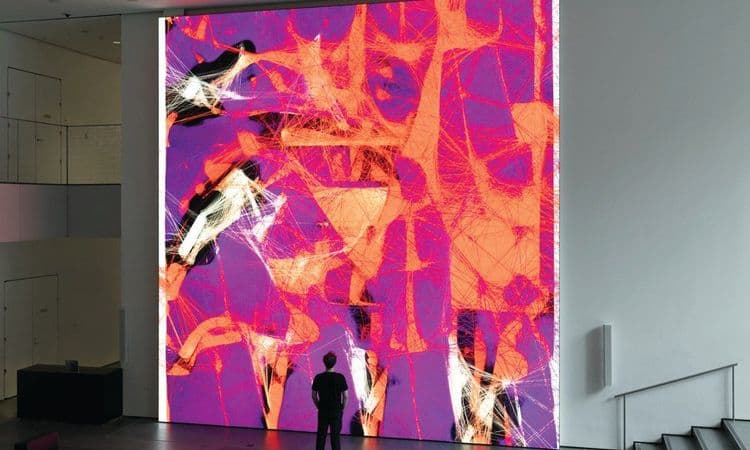
AI in museums: where it can help and why human oversight matters
A US survey found strong reservations about AI-written exhibition texts. Museum projects in Cleveland, Washington and Arkansas show other uses, and the decisions people still need to make.
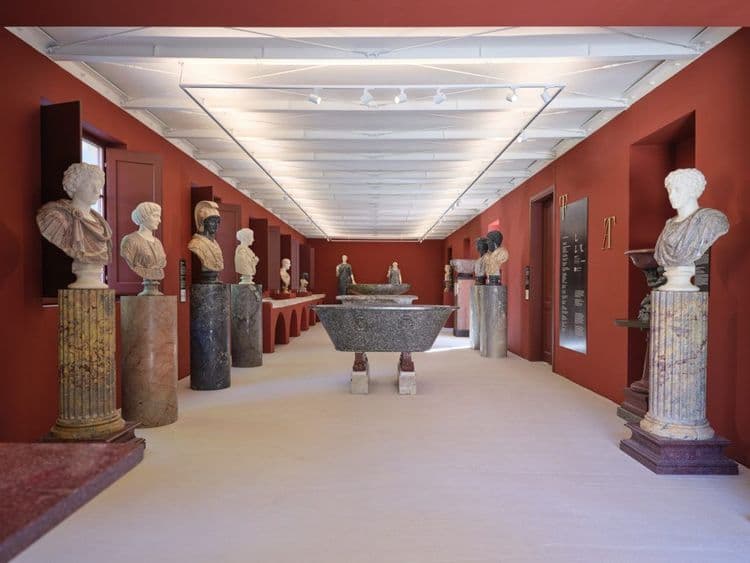
Reading the Torlonia collection through its stones
A new space at Villa Albani Torlonia brings 20 sculptures into the permanent display. Their materials offer clues to how some of the works were assembled and restored.
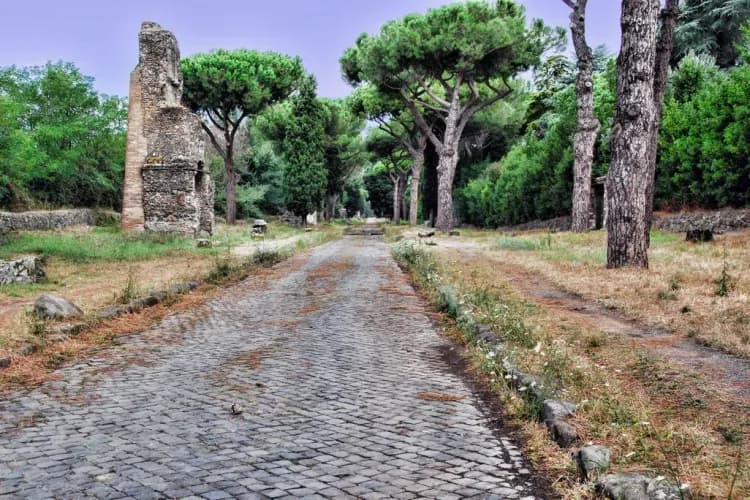
Rome was a hub, but Roman roads formed a wider network
A reconstruction of roughly 299,000 kilometres of Roman roads shows how provincial centres and local terrain shaped travel across the empire, beyond the routes leading to the capital.
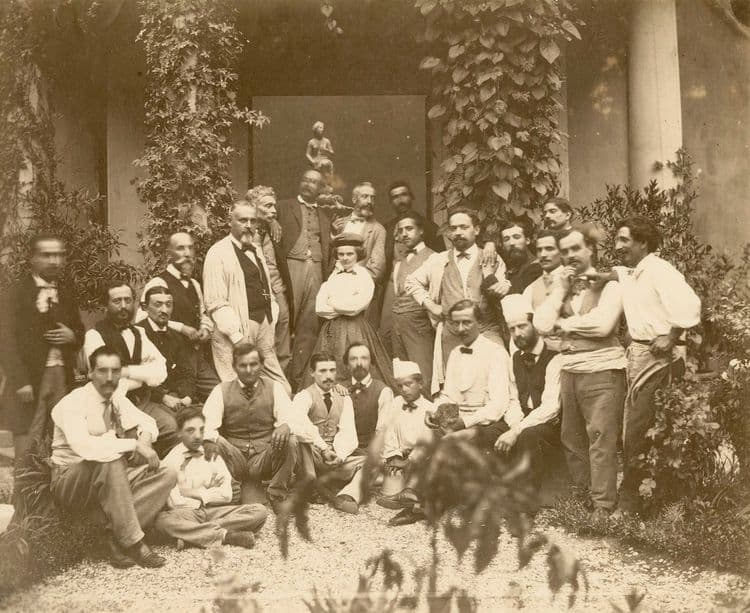
A bust attributed to Harriet Hosmer re-emerges from an English garden
Kept outdoors for decades and regarded as a garden ornament, the marble bust of Daphne was recognised during a property valuation. Cleaning made its material, inscription and history easier to read.
Water heritage in Covilhã: industrial history and supply networks
A public meeting in the Portuguese city will consider how water shaped its industrial past and how supply networks are managed today.
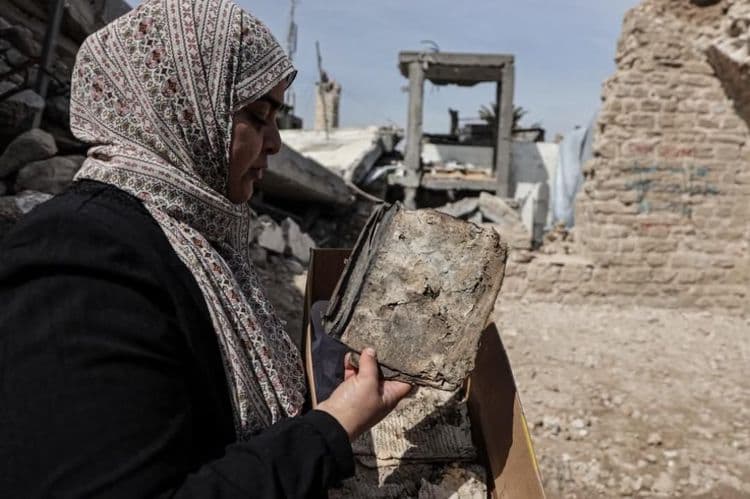
UNESCO recognises Hashim and Al-Amassi’s work to preserve Gaza’s manuscripts
The two specialists helped preserve more than 25,000 pages of Mamluk- and Ottoman-period manuscripts, while building local capacity for their long-term care.
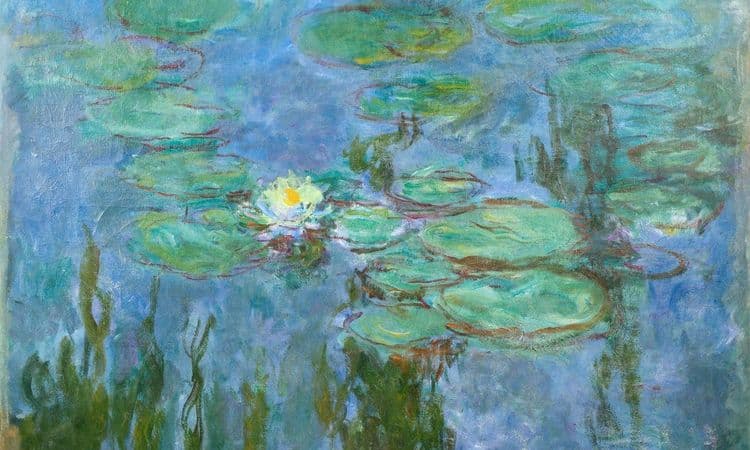
Monet at Tate Modern: time becomes the thread of the exhibition
Tate’s first exhibition devoted entirely to Monet brings together speed, repetition and natural cycles to explore how painting gives form to time.
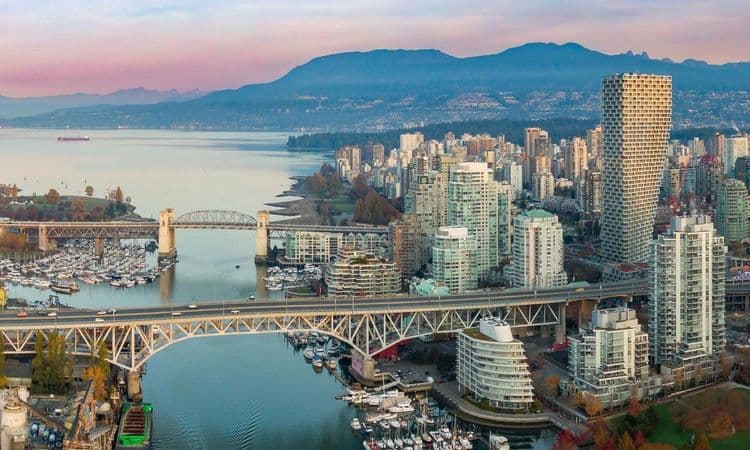
Vancouver: a donated house gives the Cultural Land Trust a concrete starting point
The trust was already in place. In 2026 it received its first property, and a few weeks later the city formally backed a model designed to give cultural spaces greater long-term stability.
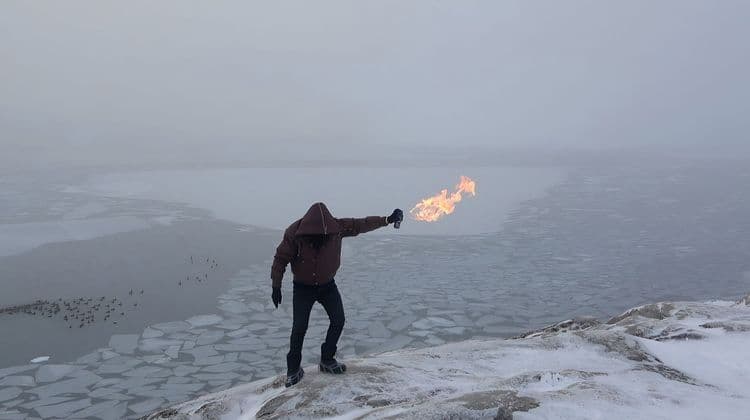
In Venice, art questions our relationship with water
Currents of Change brought together artists and cultural professionals to ask what art can do in response to ecological crisis: represent change, intervene in processes or imagine different relationships.
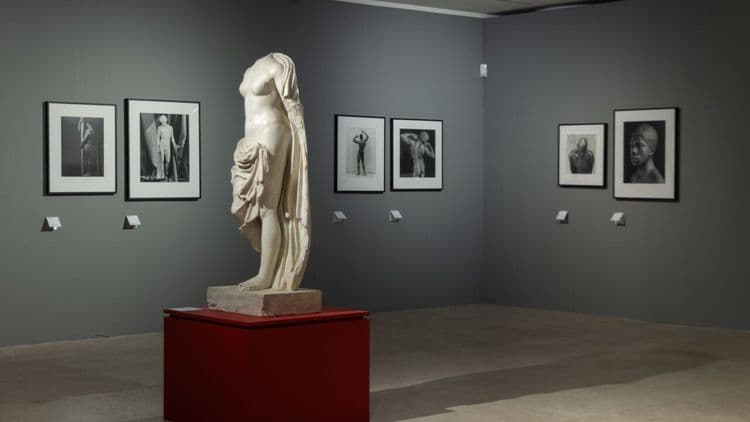
Mapplethorpe at the Ara Pacis: flowers, bodies and form under the same gaze
The Rome exhibition brings together flowers, bodies, statues and portraits through a shared attention to light, composition and formal precision.
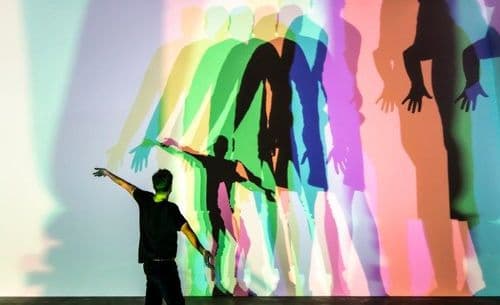
The new Thyssen in Madrid: 365 works, divided between donation and long-term loan
The museum’s future venue for contemporary art will house 365 works from the TBA21 Collection. But they will not all enter the public domain in the same way: 186 will be donated, while 179 will remain with the foundation and be placed on long-term loan.
Vistillas: when editing gives shape to everyday life
In Jonás Trueba’s film, fragments of a Madrid neighbourhood become a way of observing time, memory and relationships.
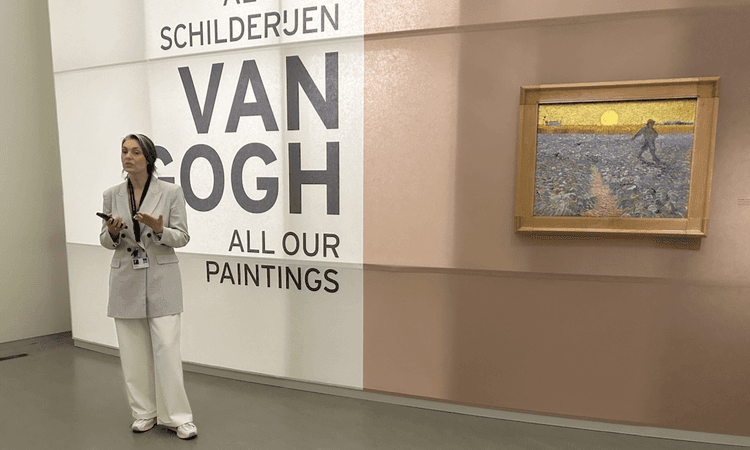
Van Gogh at the Kröller-Müller: 88 paintings, new connections
The museum brings together all 88 of its Van Gogh paintings in an exhibition that groups works by theme rather than date.
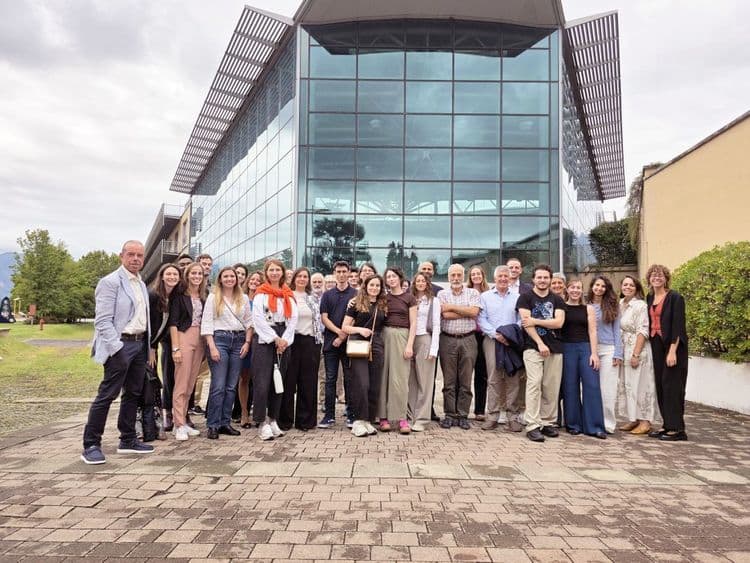
INCLUDE-ID: designing accessibility as part of the museum experience
A European project is exploring how museums can become more accessible to people with intellectual disabilities by involving cultural institutions, families and people directly concerned.
Se apre un’altra storia, va ridotta o eliminata.
Bologna brings museum storage into the story of the collection
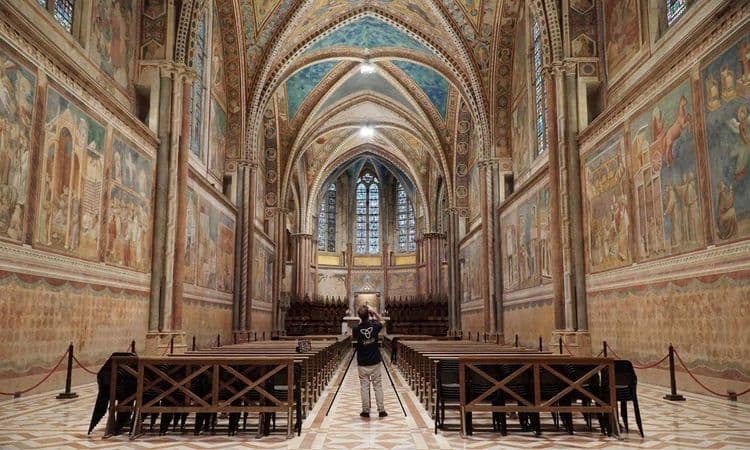
Assisi: photographing the basilica today to recognise change tomorrow
Preserving Assisi allows people to explore the spaces and frescoes of the Basilica of Saint Francis online. At the same time, the images are creating a reference that may help researchers understand how the site changes over time.
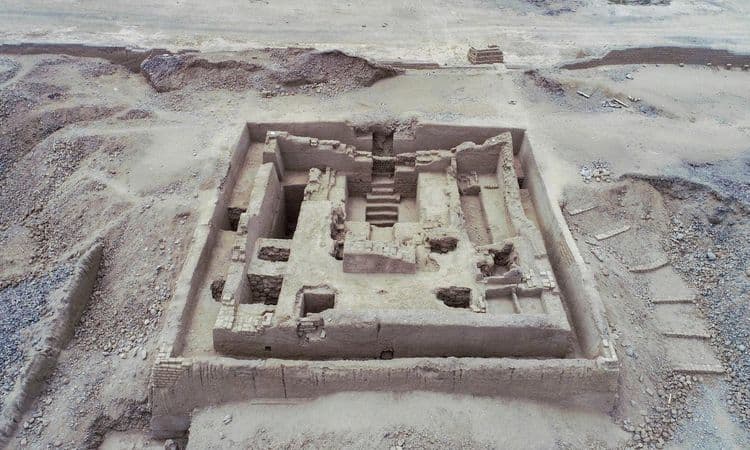
Chan Chan: a largely intact funerary context brings bodies, objects and Chimú rituals into relation
At the Peruvian site, the remains of 38 people were found together with objects associated with their burials. Their spatial arrangement offers archaeologists a rare opportunity to study an elite Chimú funerary context.
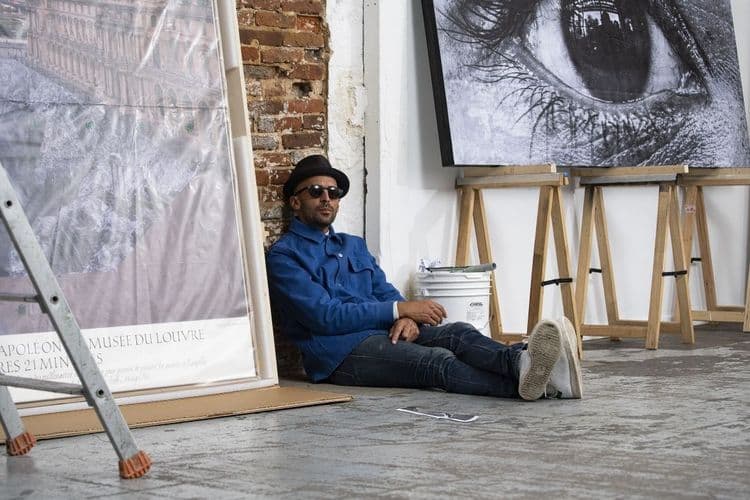
JR brings Doré’s Flood to the façade of the Vatican Library
Through Diluvium and Undae, the exhibition AQVA connects water with the fragility of books, the work of conservation and the possibility of turning a threat into knowledge.
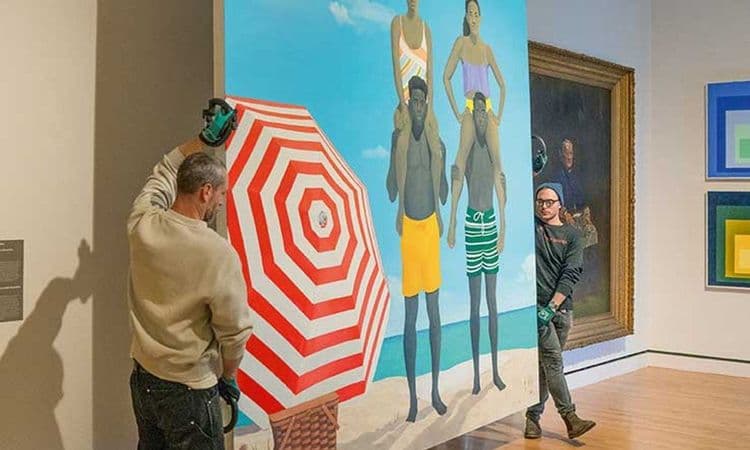
How do you move a three-metre painting without gripping its edges?
An external handling system allows large artworks to be moved while keeping hands away from their most vulnerable parts.
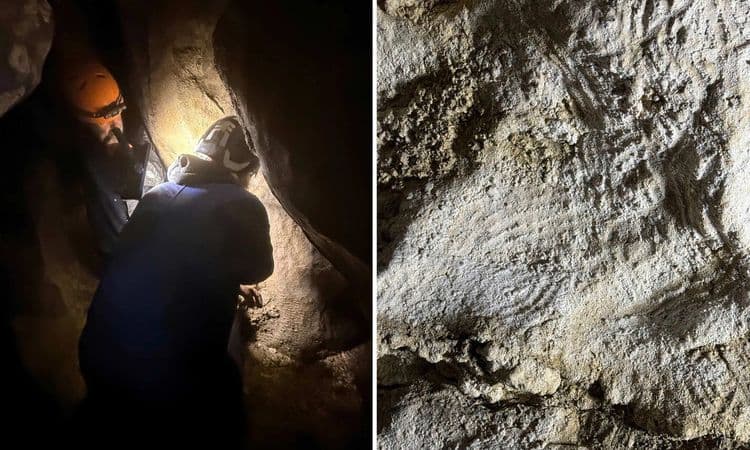
Eight caves in Ireland reopen the search for the island’s earliest human presence
Finger-made markings and traces of pigment are at the centre of a new archaeological investigation. Establishing when they were made could change what we know about human presence in Ireland.
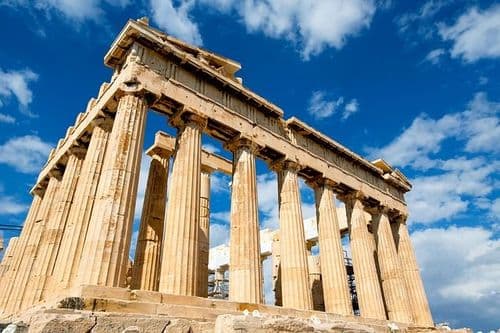
A study questions whether the Parthenon’s curves were optical corrections
The architectural features are measurable, but mathematician Alain Goriely argues that the evidence does not show they were designed to correct visual distortions.