A recording can carry a song beyond the community in which it is performed. But for a living tradition, being heard is not the same as being sustained. Its continuity depends on the people who practise it and pass it on.
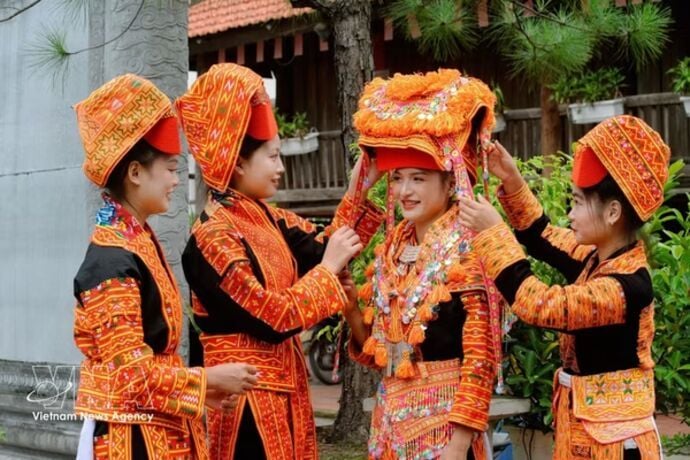
Living heritage includes languages and writing systems, songs and dances, rituals, crafts, performing arts, ways of producing food and other knowledge handed down through generations. It cannot be preserved simply by adding a record to a collection.
Digital tools can give people far from a tradition’s place of origin opportunities to encounter and learn about it. Whether that access is valuable depends on what is documented, how it is presented and who can use it.
Visibility also brings risks. A ritual or song shared without the involvement of the people who practise and safeguard it may be misunderstood or used inappropriately. Digital platforms may favour cultural expressions that are easiest to display or sell, while giving less space to others.
In Vietnam, the Ministry of Culture, Sports and Tourism has established a platform to manage a national cultural heritage database. The particular characteristics of ethnic minority cultures, however, call for ways of managing records that take account of the nature and context of what is collected.
Artisans, village elders, trusted community members and communities as a whole can take part at every stage: choosing what to document, explaining its meaning and deciding what to make public and what to keep accessible only within the community.
Digitisation can widen access to living heritage. Deciding what to record, how to describe it and how far to share it is not just a technical task. It is a decision in which the communities who sustain that heritage have a part to play.


