Enrico Berlinguer, surrounded by workers during a lunch break. The photograph by Umberto Pizzi is far removed from the Roman parties for which he is remembered. His archive, though, holds more than celebrities and society gatherings: it records people, events and settings from across Italian public life.
Pizzi began working as a photographer in the 1960s. Over his career, he also photographed film stars including Elizabeth Taylor, Richard Burton, Marcello Mastroianni and Sophia Loren.
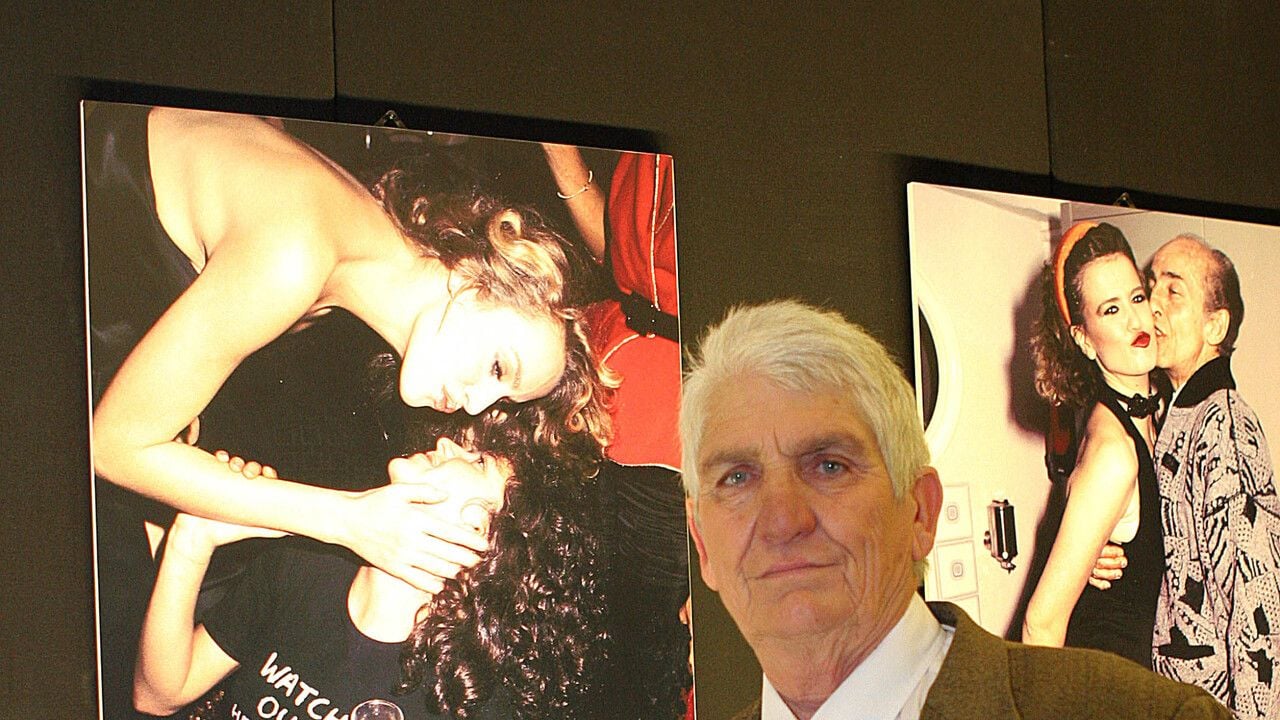
Alongside those familiar faces, his work documented very different moments in Italian history. He photographed Berlinguer among workers and was among the first to arrive in Via Fani on 16 March 1978, after Aldo Moro’s abduction and the killing of his bodyguards. He also followed Silvio Berlusconi’s entry into politics. In the 2000s, his photographs of parties and social gatherings, published by Dagospia under the name Cafonal, showed another setting of Italian public life.
What connects these images is not a single subject but Pizzi’s attention to people who occupied the public stage in different ways: workers, politicians, actors, party guests, and those who took part in or witnessed collective events.
Profumo di Pizzi, a Rai Cultura programme broadcast on Rai 5 in April 2026, traced this long career through his archive. The photographs preserve not only well-known faces but also the settings and relationships that shaped Italian public life.