Dispatch.
News updates, briefings, calls, events. Journalistic, direct.
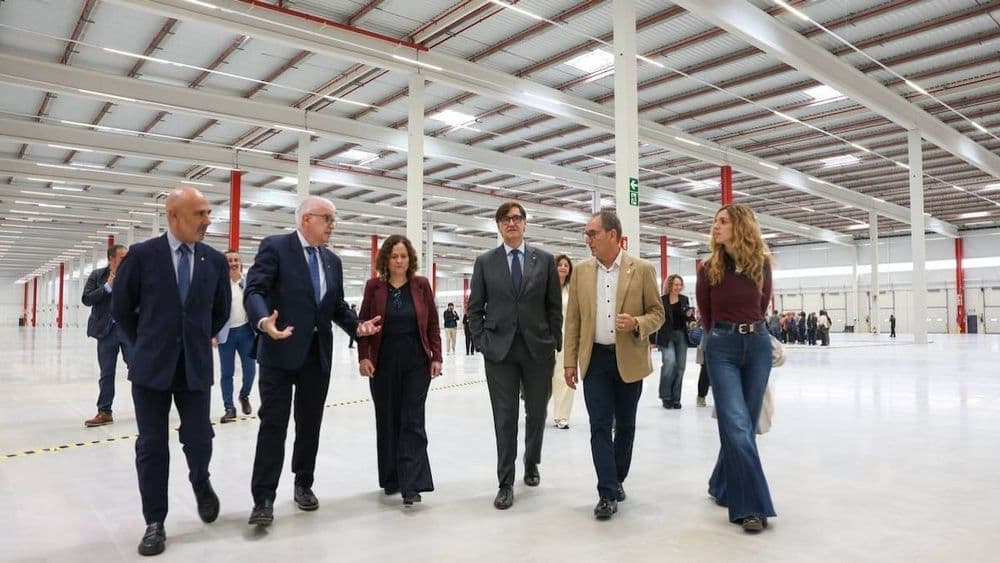
Catalonia plans a shared collection store to support 122 museums
Catalonia’s planned National Reserve would complement museums’ existing storage rather than replace it. Intended to address a shortage of space, it would provide facilities equipped to conserve and manage their collections.
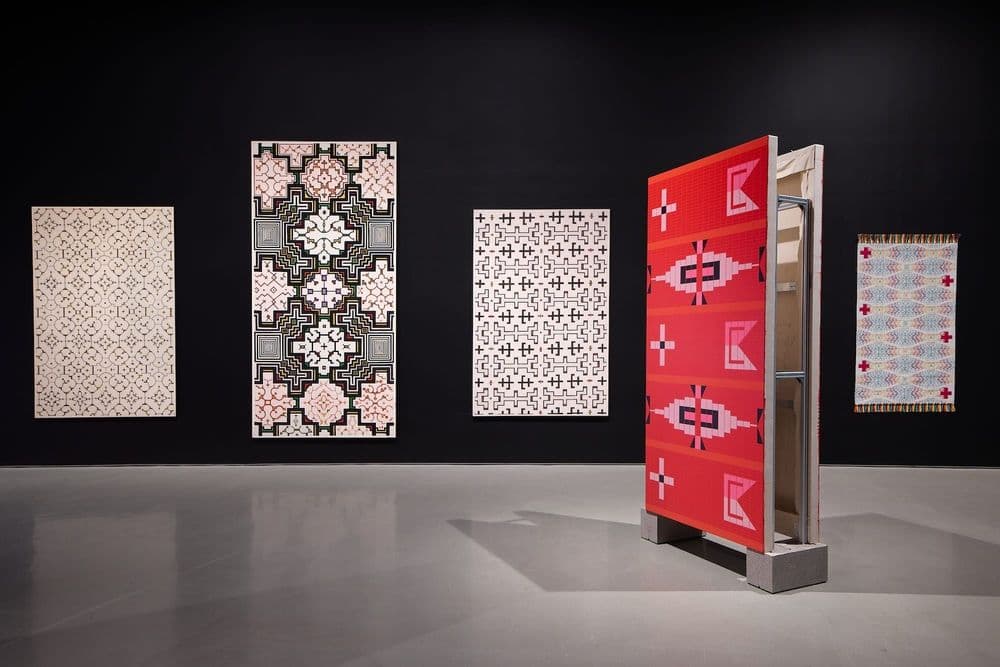
At Radiant Geometries, artists explore Indigenous knowledge through textiles, paintings and sculpture
At the Moody Center for the Arts in Houston, contemporary artists explore Diné textile teachings, Maya ceramics and references to Aymara dance in their work.
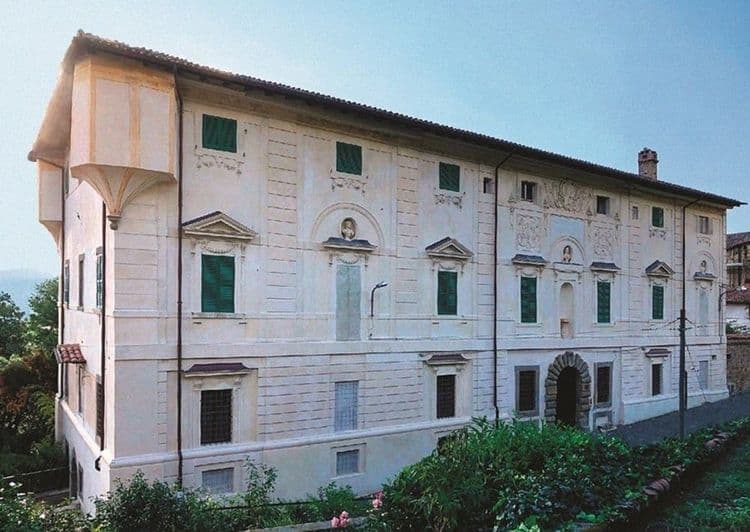
Inside Abruzzo’s restoration sites, tracing the history of buildings
The Dentro il restauro visits take people into places damaged by the earthquake. Rediscovered paintings and spaces changed over time offer a way to learn about the buildings through the work of restoring them.
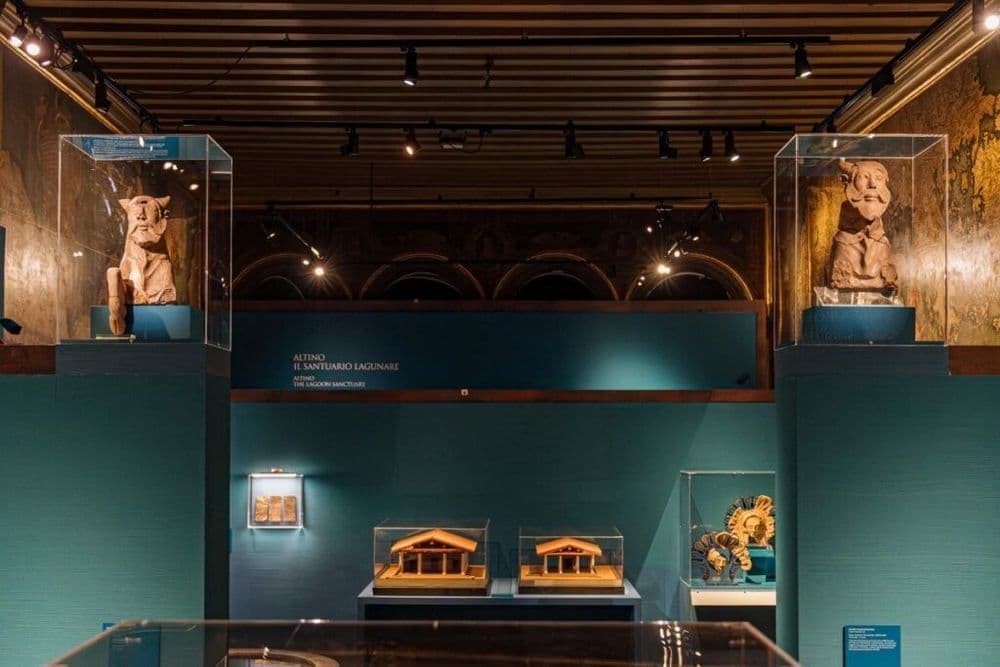
A Small Bronze Horse, Twenty-Five Centuries Before Marino Marini
At the Doge's Palace, the San Casciano bronzes open an exhibition about what the Etruscans and the Veneti genuinely shared: water as a threshold to the sacred.
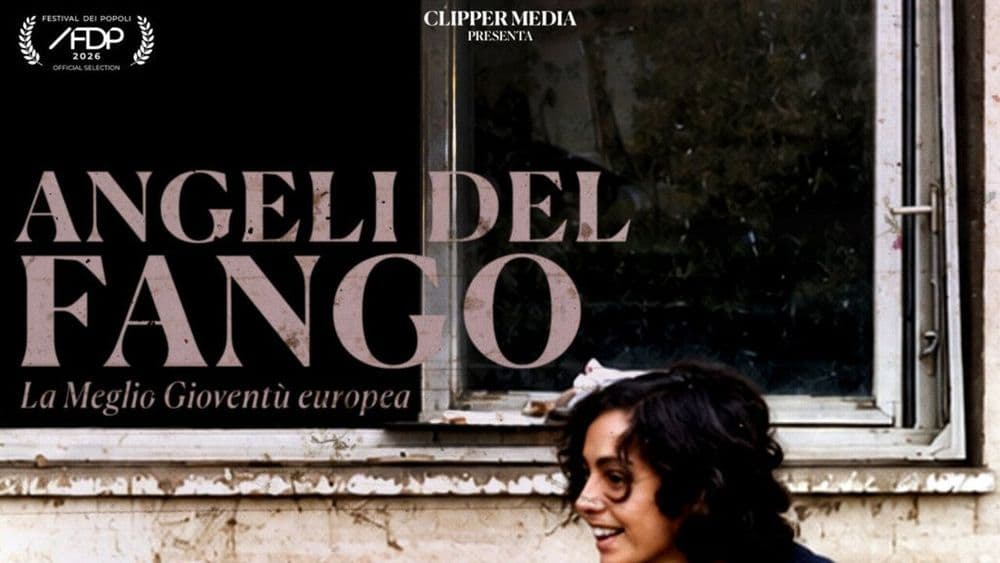
Florence’s mud angels: a documentary revisits the volunteers of 1966
Marco Spagnoli’s documentary returns to the young volunteers who helped save cultural heritage after the 1966 Florence flood. It also explores how that experience shaped the life choices of some of them.
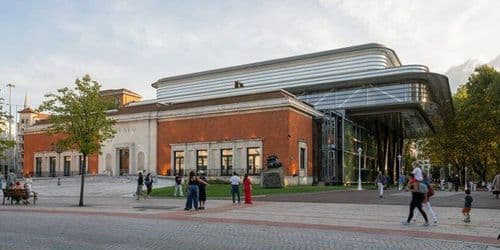
Agravitas: an elevated addition connects the Bilbao Fine Arts Museum buildings
Designed by Foster + Partners and Luis María Uriarte, the extension adds exhibition space above the existing buildings. At ground level, the Arriaga Atrium reorganises entrances and connections and brings the 1945 entrance back into use.
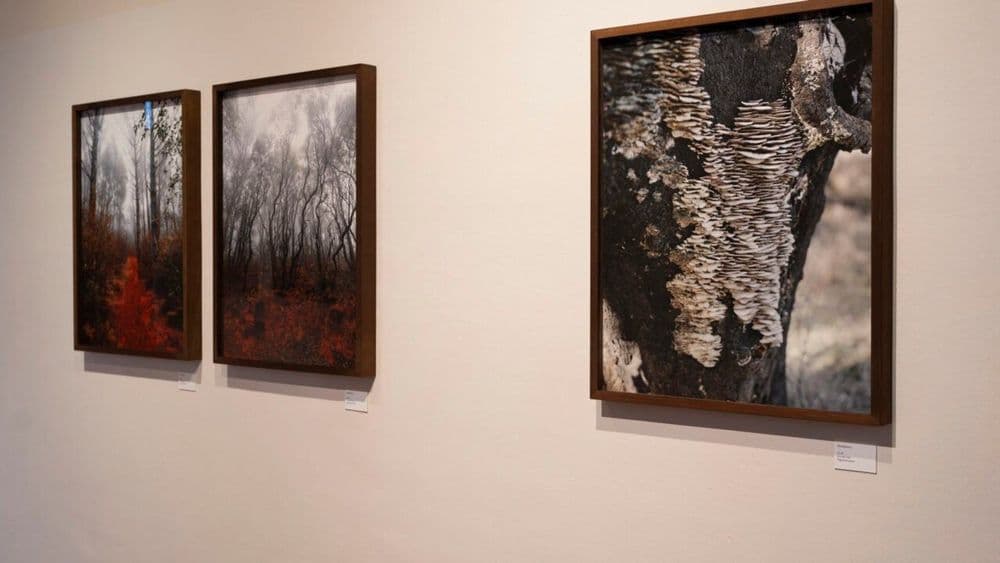
Stefano Cerio photographs regrowth after wildfires
At mudaC in Carrara, twelve photographs and a video trace signs of regeneration in Mediterranean landscapes affected by fire. Cerio’s observation of these places is interwoven with his interventions on the images.
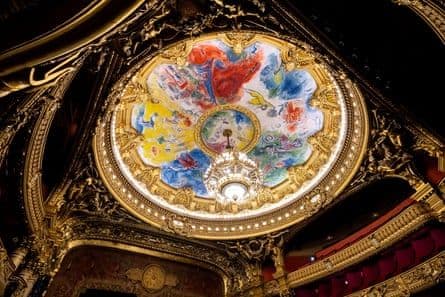
At the Palais Garnier, Carayon calls for Lenepveu’s ceiling to be seen again
Carayon, a descendant of the painter, has asked a lawyer to assess possible legal action over Lenepveu’s nineteenth-century ceiling, which was covered by Chagall’s ceiling in 1964.
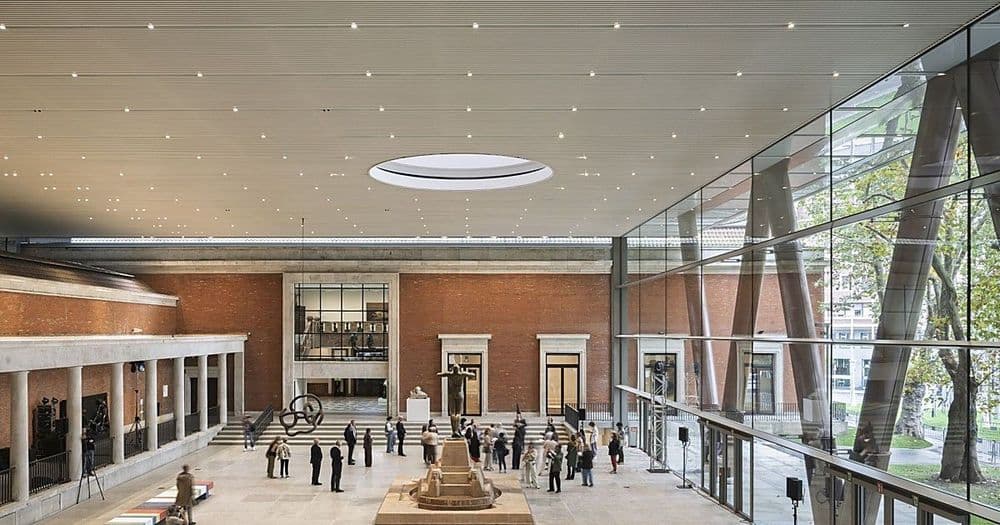
A new atrium connects the buildings of Bilbao’s Museum of Fine Arts
The new atrium designed by Norman Foster and Luis María Uriarte rises above the museum’s earlier buildings, brings its 1945 entrance back into use and turns Arriaga Square into a covered space for entry and orientation.
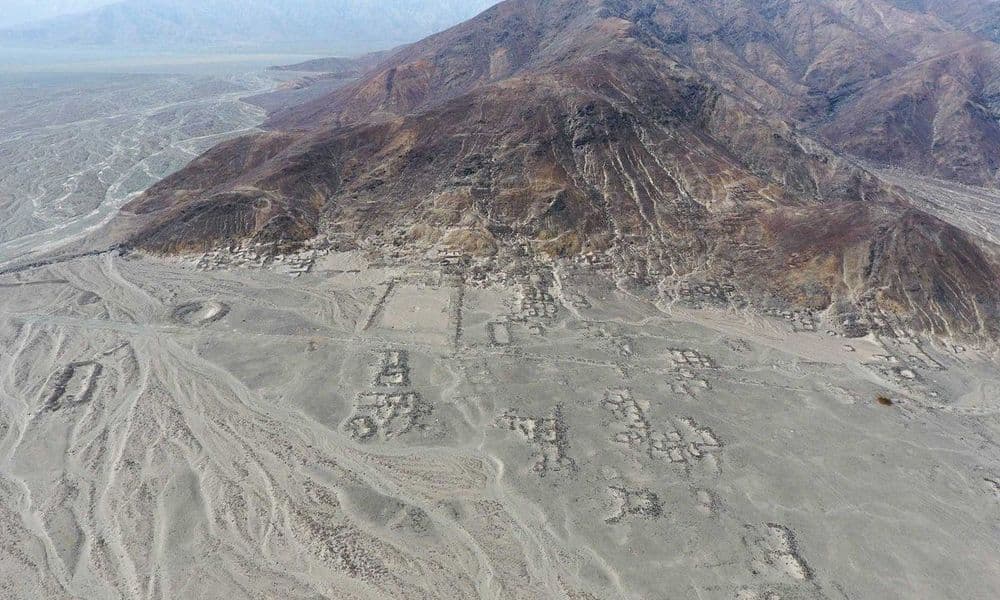
El Niño in Peru: mapping risks to archaeological sites and checking them on the ground
Ana Cecilia Mauricio and Francesca Fernandini combine public data with field visits to identify vulnerable archaeological sites on Peru’s coast and inform decisions about their protection.
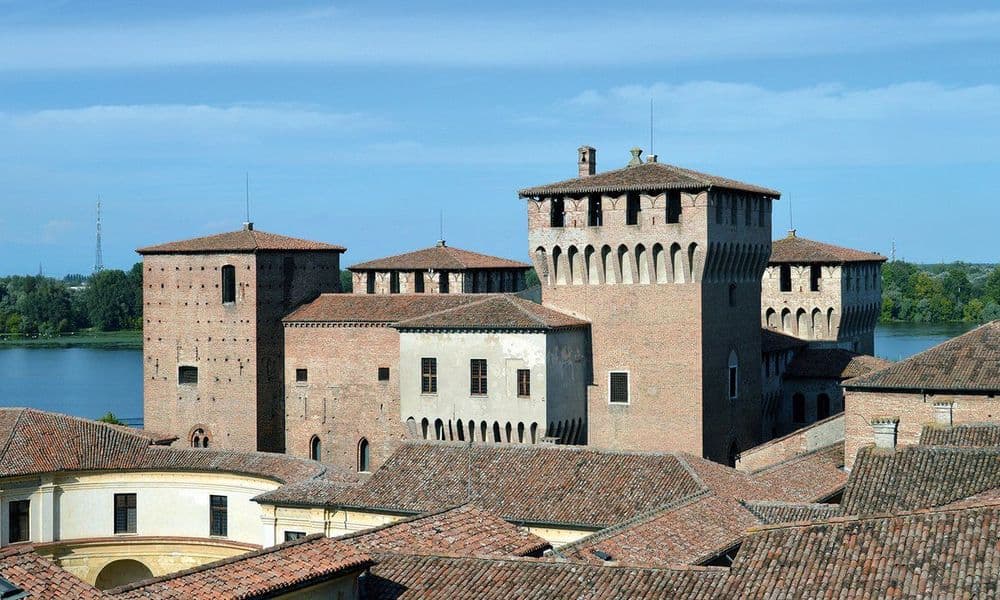
Mantua’s Palazzo Ducale reopens rooms as visitor routes expand
Restoration work has reopened rooms and walkways to visitors at Mantua’s Ducal Palace. With around a thousand spaces in the complex, director Stefano L’Occaso draws attention to the choice of routes through it.
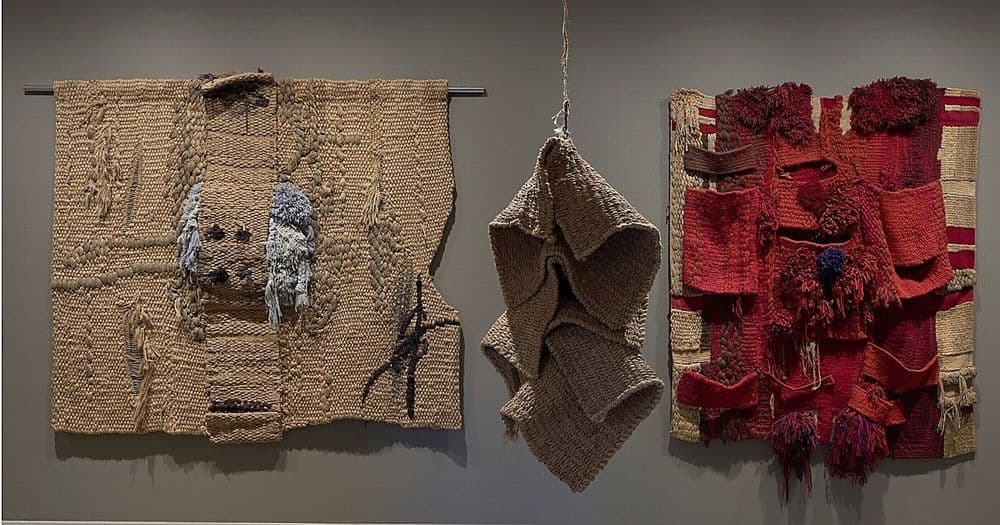
Textiles and the spaces they shape: two exhibitions in Madrid
At the Fundación María Cristina Masaveu Peterson and the Banco de España, two exhibitions explore textile art through its techniques, forms of expression and relationship with architecture.
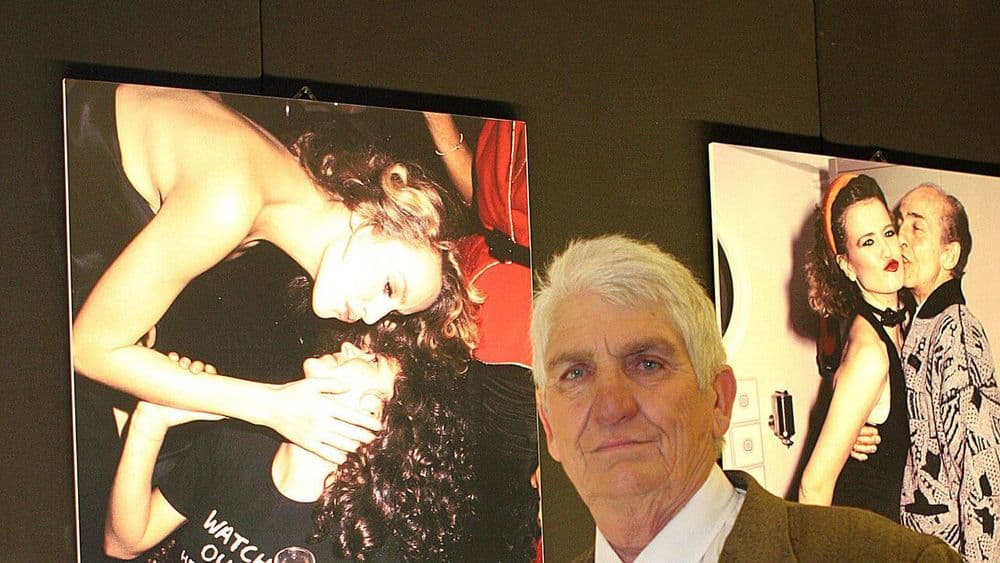
Umberto Pizzi’s archive and the many faces of Italian public life
Known for his photographs of Roman parties, Umberto Pizzi also documented workers, politicians and moments that shaped Italy’s public life.

In Grand Rapids, quilts, plates and embroidery trace connections around prison
At Grand Rapids Art Museum, three exhibitions dedicated to Gary Tyler, Julie Green and Ray Materson use objects and images to explore experiences of imprisonment and relationships with loved ones.
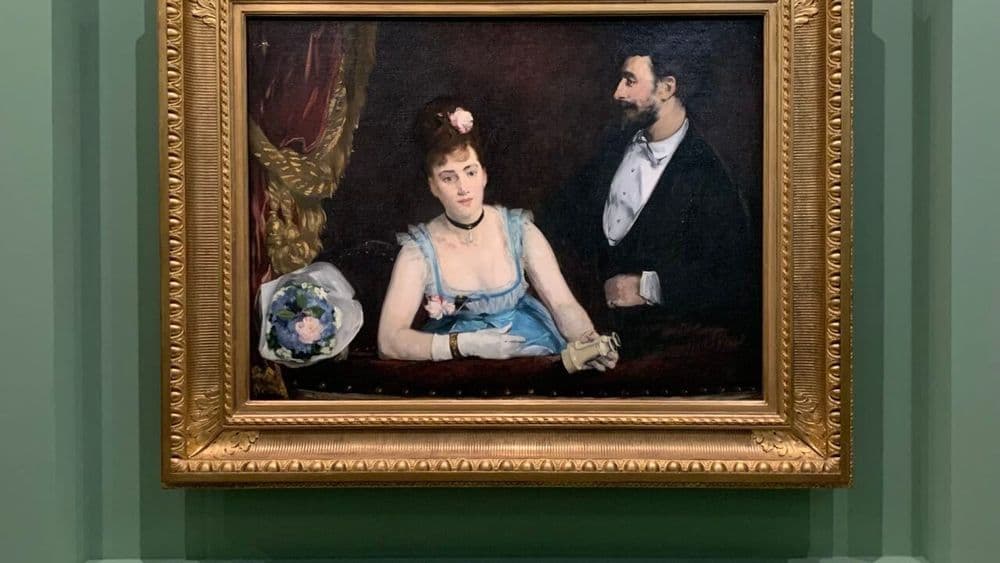
The Petit Palais traces Eva Gonzalès’s career through nearly 100 works
From her training in private ateliers to recognition at the Salon, the Petit Palais exhibition follows Eva Gonzalès’s career through the choices she made and the relationships that accompanied her work.
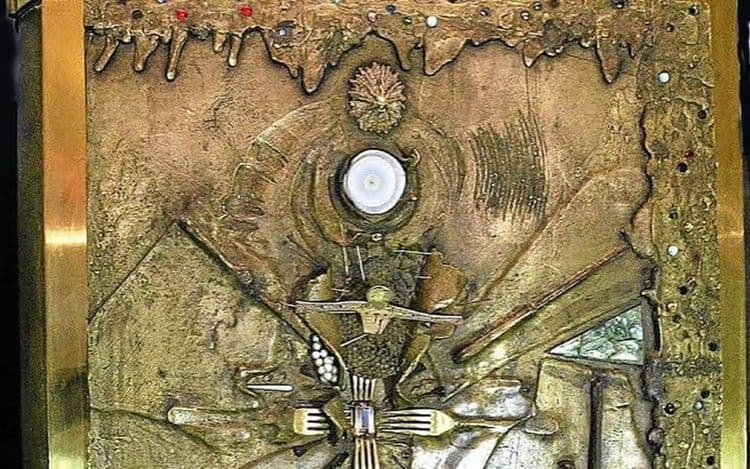
Dalí’s cover for L’Apocalypse de saint Jean stolen in Issoire
A bronze cover by Salvador Dalí has been stolen in Issoire, where it was displayed alongside pages from the Apocalypse volume conceived by Joseph Forêt. Created between 1958 and 1961, the work was a collaboration, and the cover was one of its most recognisable elements.
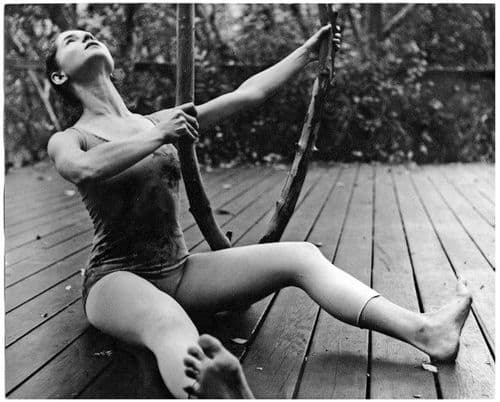
Simone Forti’s See-Saw and the choices left to its performers
In Yvonne Rainer’s recollection, the experience on the see-saw left performers free to choose their movements and sounds.
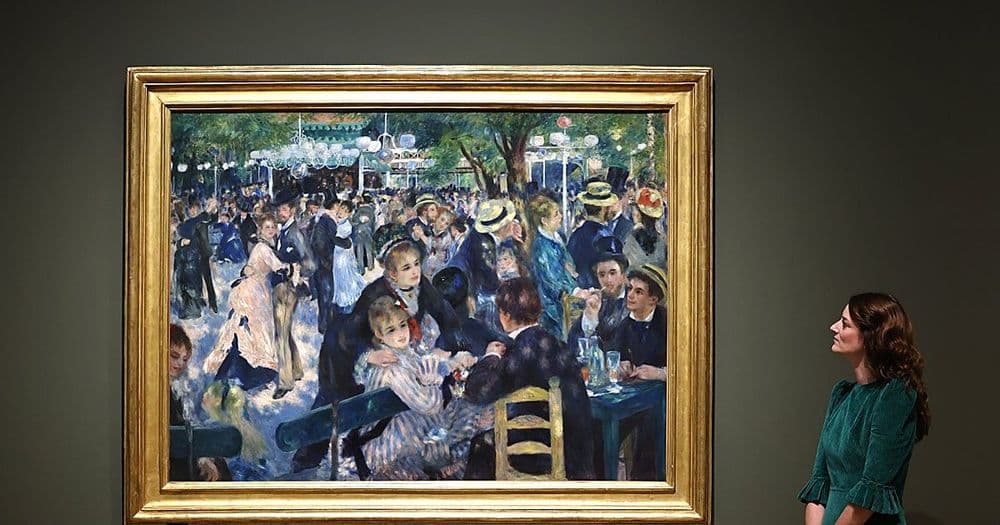
Renoir and Love: from crowded dances to quiet conversations
At London’s National Gallery, ‘Renoir and Love’ explores friendship, courtship and family affection in the artist’s paintings, from crowded gatherings to more intimate encounters.
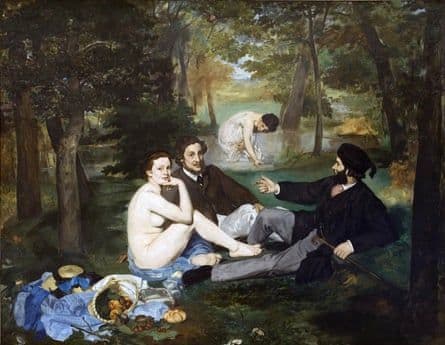
A drawing in an Italian collection is newly attributed to Manet
Stylistic details and a studio stamp support the attribution proposed by Emily Beeny and Francesco Baccanelli. Who the drawing depicts, and what it was made for, remain open questions.
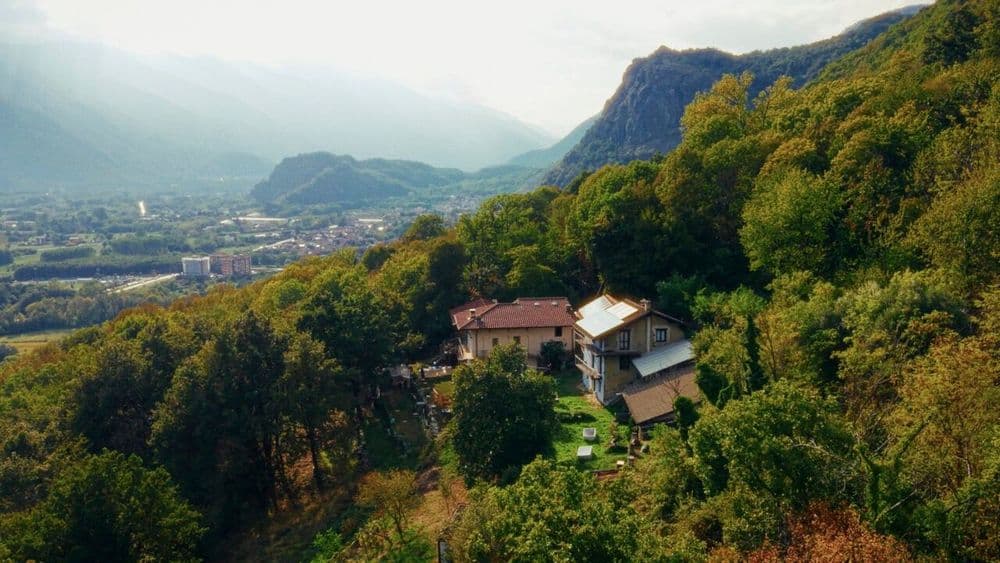
In Calcinera, a cultural project extends into the woods
Prime Luci opened the association’s activities. Calcinera Lab plans workshops, stays and work to bring indoor spaces back into use, with the aim of encouraging more people to spend time in the hamlet.
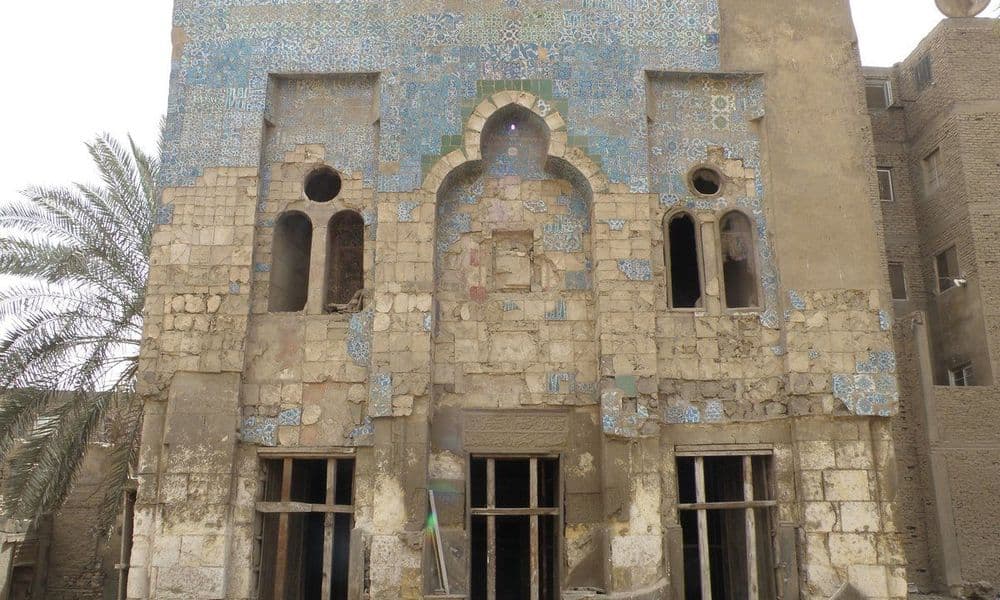
Funding and skills among concerns raised in World Monuments Watch 2027 nominations
Nominations for the 2027 World Monuments Watch point to funding difficulties, extreme weather and a need for training. They also identify opportunities for conservation to create jobs and support local economies.
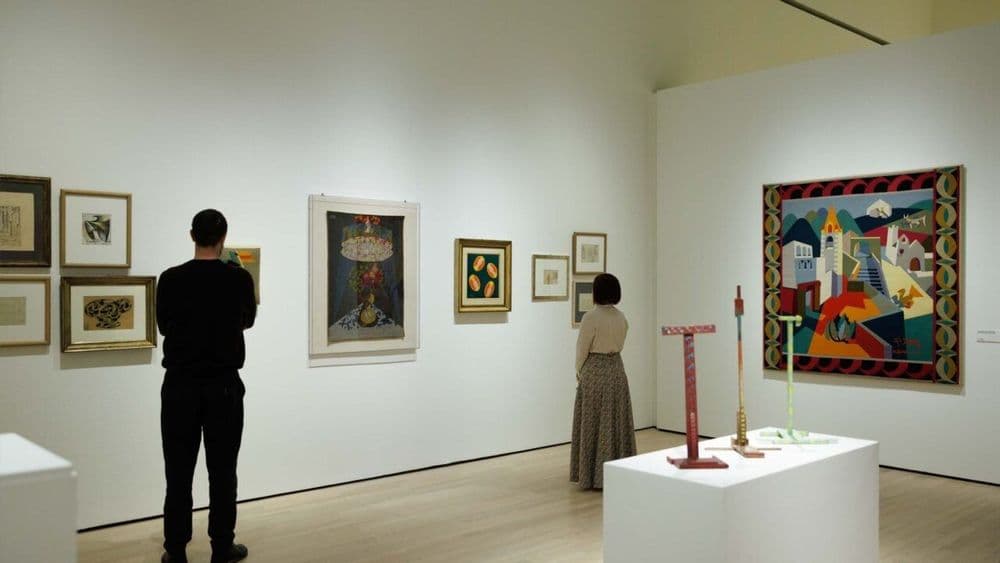
Giacomo Balla’s art in the wardrobe and the home
At the Mart in Rovereto, clothes, furnishings and designs on paper trace Giacomo Balla’s exploration of art in everyday life.

DeafCity Hub to test plans for a Deaf-led cultural centre in London
A temporary space in 2027 will allow Amanprit Arnold to test how a cultural centre might be designed around the ways the Deaf community communicates and gathers.
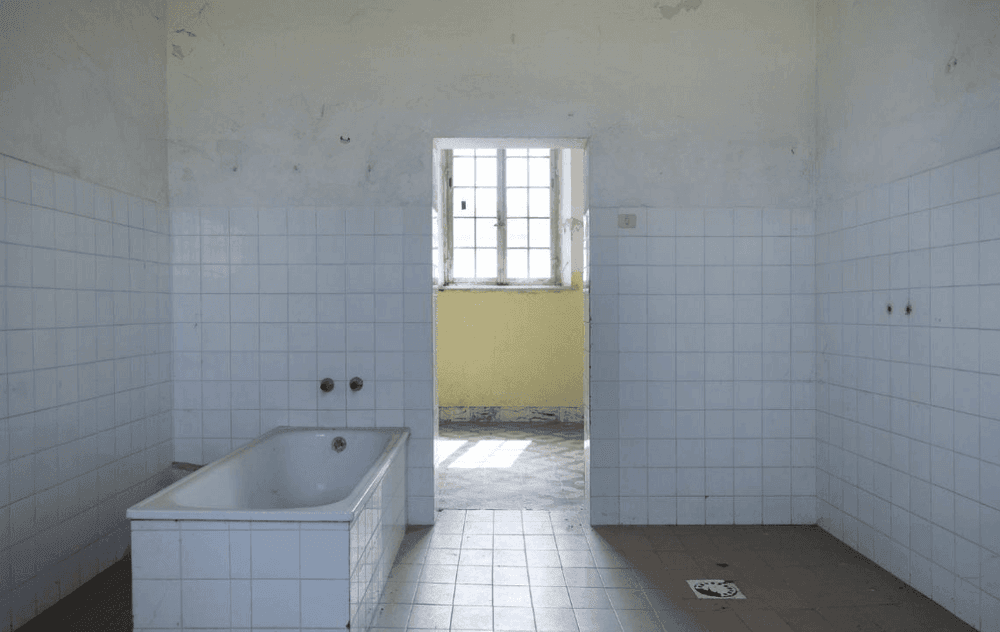
Photographing Italy’s former psychiatric hospitals as they stand today
Across all 20 Italian regions, two photographers have documented what became of former psychiatric hospitals, from abandoned buildings to places given new uses.