Mirabilia.
Human stories. Interviews, case studies, people.


Bartolomeo Litterini’s stolen altarpiece returns to its Treviso church after 48 years
The return of Our Lady of Mount Carmel to San Francesco restores more than an object: it brings the painting back to the setting for which it was made.

Cleaning reveals details in a Battle of Lepanto painting in Granada
In Granada’s chamber of the Virgin of the Rosary, cleaning has made figures and small scenes in Domingo Chavarito’s painting legible again. The newly visible details give researchers more to study, without settling every question about who is depicted.
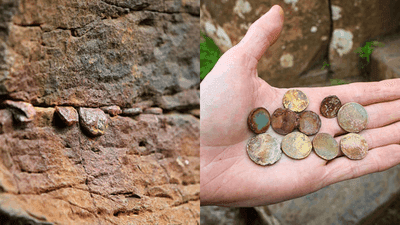
Removing coins from the basalt columns of Giant’s Causeway
Visitors have wedged coins into cracks in the basalt at the Giant’s Causeway for good luck. As the coins corrode, they can damage the rock. The National Trust is removing them and asking visitors to stop leaving them there.
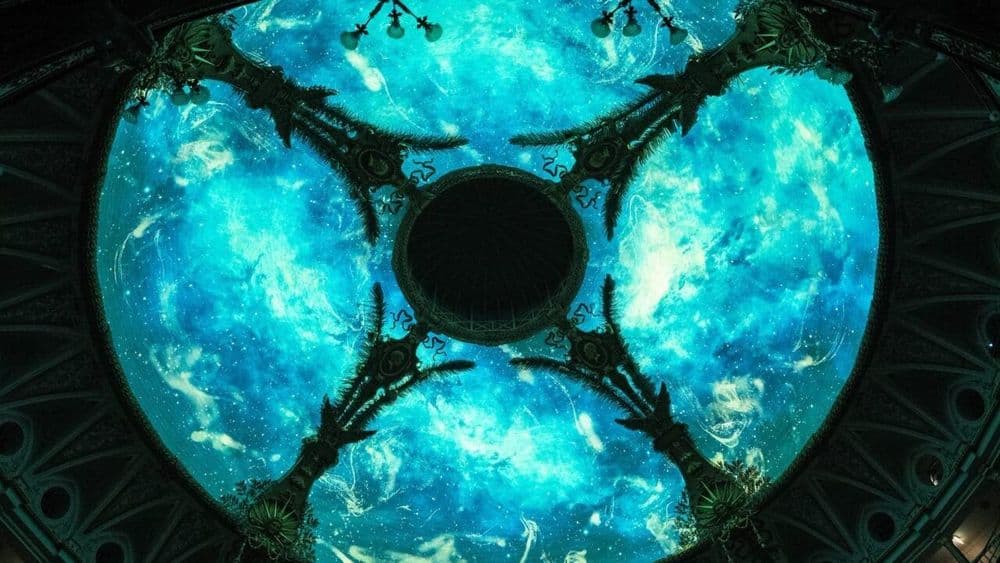
At Bari’s Petruzzelli, projections revisit the subjects of lost dome frescoes
The lost fresco cycle in the Petruzzelli’s dome depicted ancient and modern forms of performance. Summo’s digital installation takes up those subjects and reworks them as animated sequences.
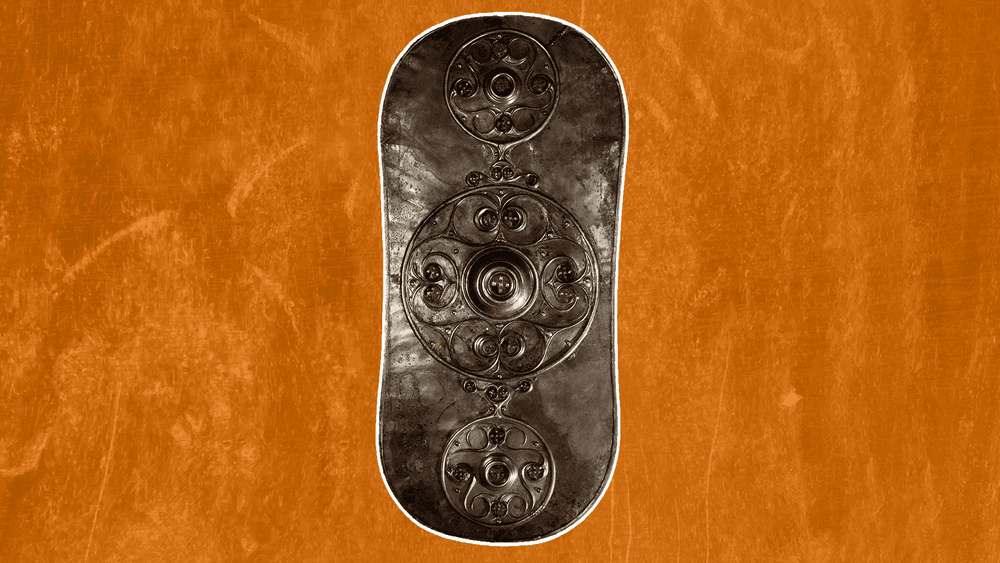
The Battersea Shield: bronze craftsmanship and unanswered questions about the Thames
Found during bridge works on the Thames, the Battersea Shield preserves evidence of skilled metalworking. How it was used, and why it entered the river, remain uncertain.
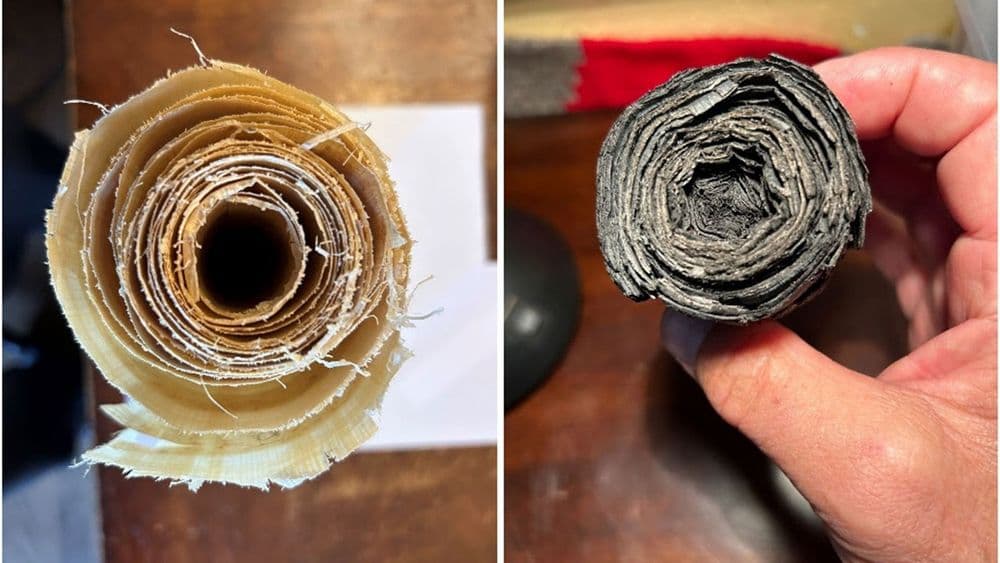
A charred modern scroll tests whether lead could help locate writing in Herculaneum’s papyri
An experiment found that X-rays could detect even small amounts of lead in ink. Researchers hope the method could help identify ancient scrolls worth examining in greater detail.
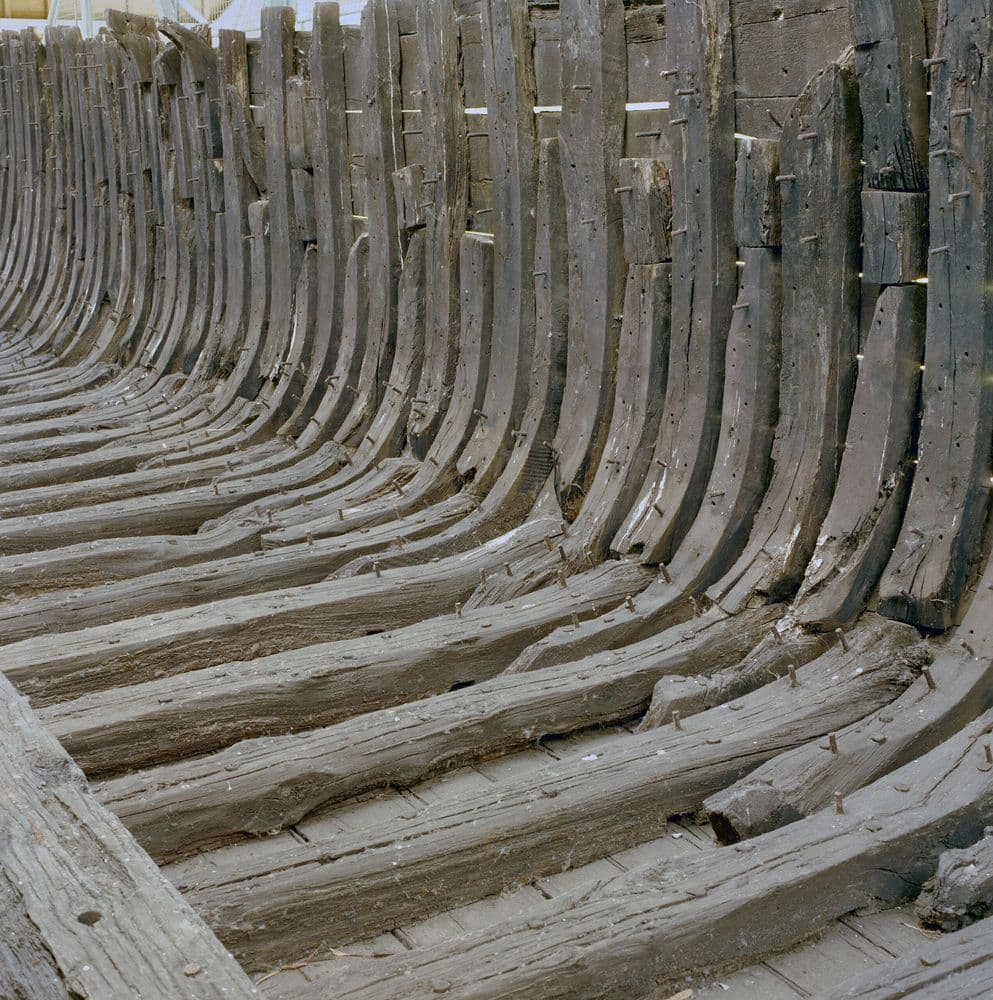
A study dates historic oak using as few as 30 growth rings
Oxygen isotopes can help date oak samples that conventional methods cannot date. The result also depends on comparing them with timber from the same area that has already been dated.
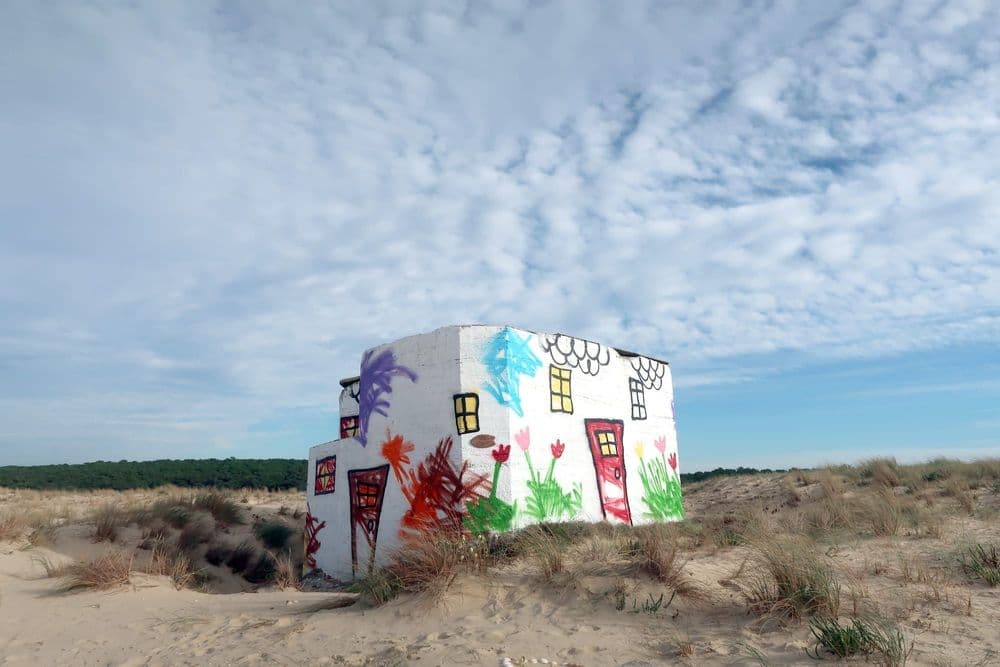
In Stuttgart, The Wa turns a house into a childlike drawing
With bright colours, simplified windows and playful shapes, the artist brings the visual language of A Kid Could Do It onto an urban building.
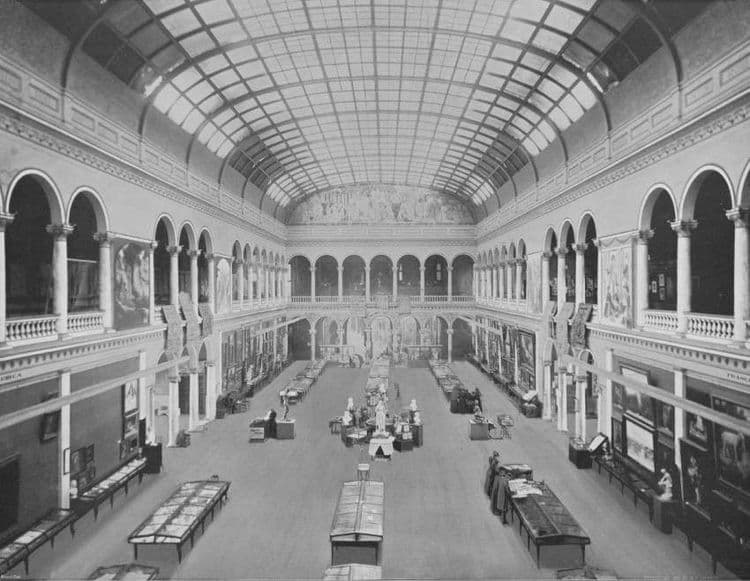
Mary Cassatt’s Modern Woman: tracing a lost triptych
Cassatt’s monumental painting for the 1893 Chicago World’s Fair has disappeared. Photographs and related works show how she pictured women sharing knowledge and pursuing their ambitions.
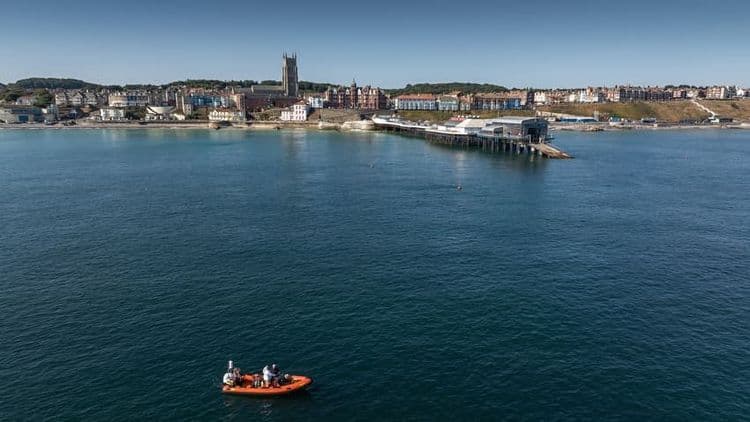
Shipden’s seabed: 25 features mapped, no church identified
Volunteer divers have mapped 25 features off Cromer. None has yet been identified as part of Shipden’s church.
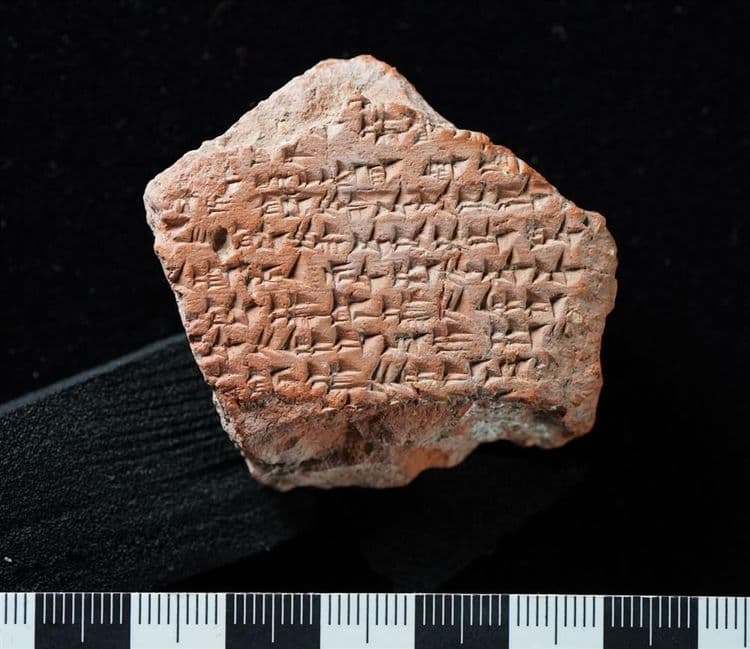
A Kadesh treaty fragment at Hattusha refers to people who fled between Egypt and Hatti
Found near the Hittite royal palace, the tablet preserves lines about people fleeing between the two kingdoms and the protection of their homes.

Folk arts in Quang Tri schools: making room for learning beyond festivals
Local performers are teaching traditional theatre and song in schools. Finding the time and resources to make that learning regular is harder.
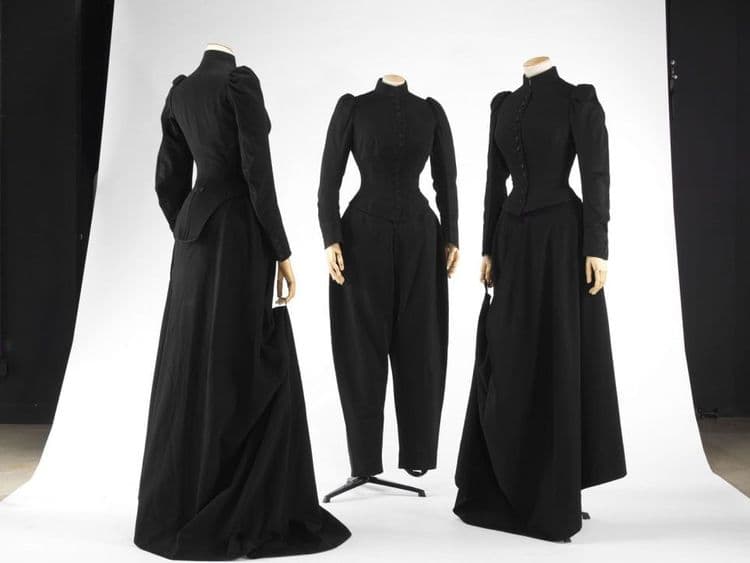
Riding breeches, workwear and women’s place in public life
From a princess’s riding breeches to a carpenter’s work clothes, an exhibition explores how dress shaped women’s freedom to move, work and be seen.
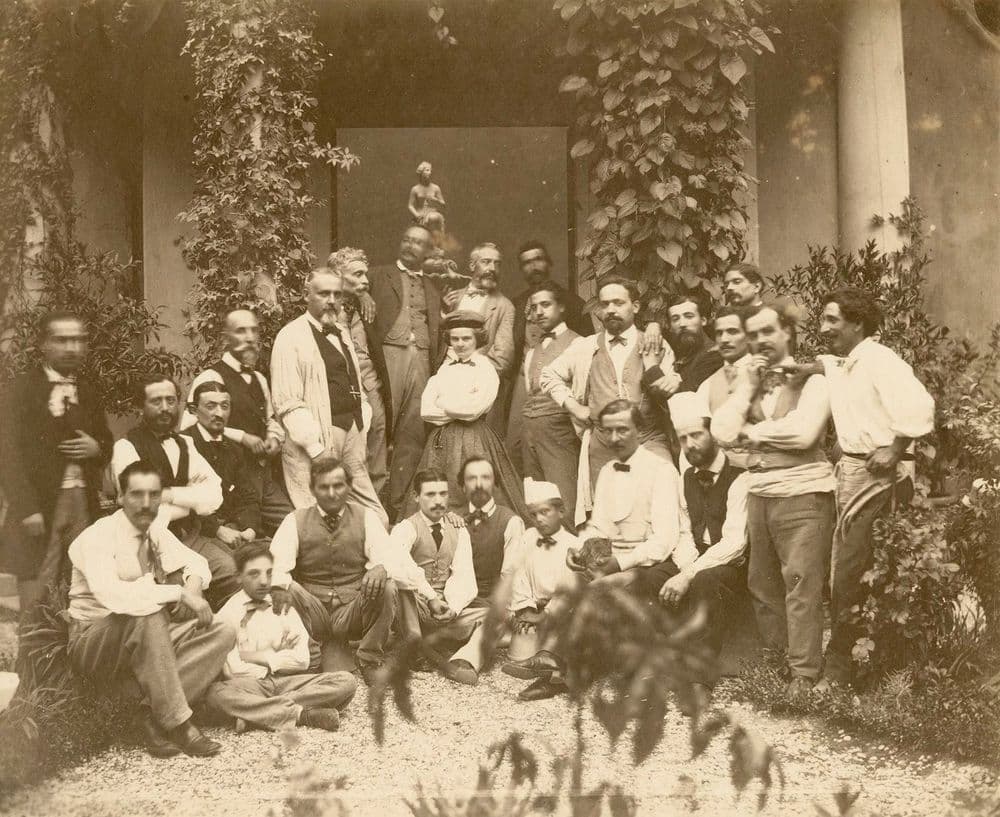
A bust attributed to Harriet Hosmer re-emerges from an English garden
Kept outdoors for decades and regarded as a garden ornament, the marble bust of Daphne was recognised during a property valuation. Cleaning made its material, inscription and history easier to read.
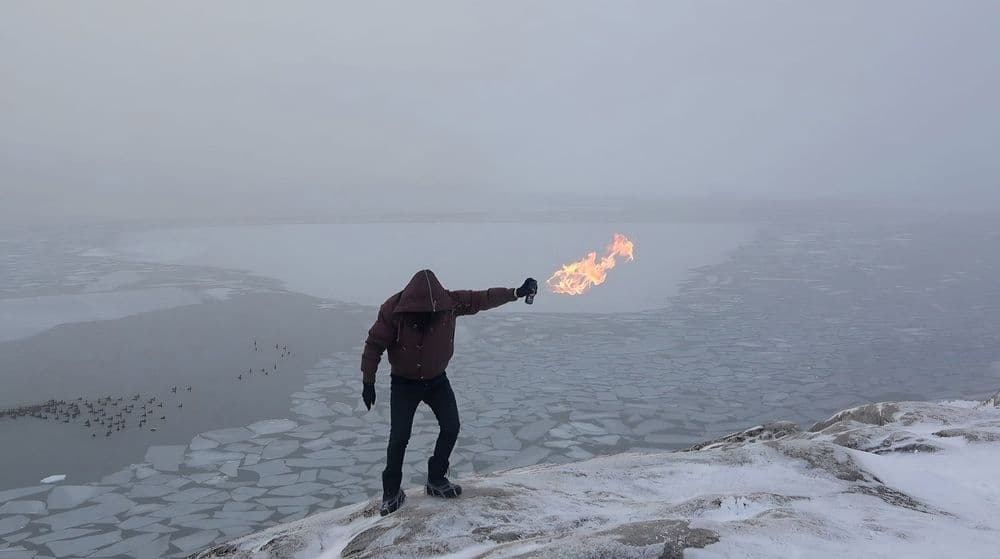
In Venice, art questions our relationship with water
Currents of Change brought together artists and cultural professionals to ask what art can do in response to ecological crisis: represent change, intervene in processes or imagine different relationships.
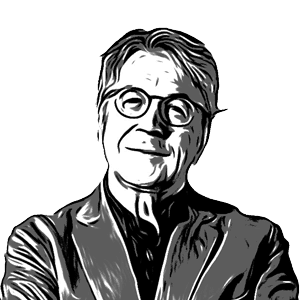
Vistillas: when editing gives shape to everyday life
In Jonás Trueba’s film, fragments of a Madrid neighbourhood become a way of observing time, memory and relationships.
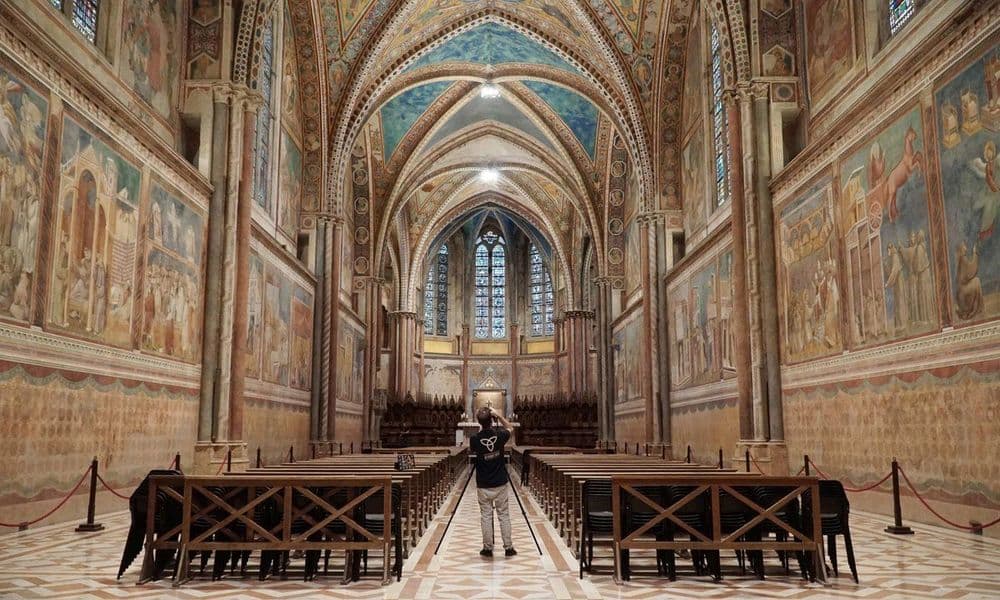
Assisi: photographing the basilica today to recognise change tomorrow
Preserving Assisi allows people to explore the spaces and frescoes of the Basilica of Saint Francis online. At the same time, the images are creating a reference that may help researchers understand how the site changes over time.
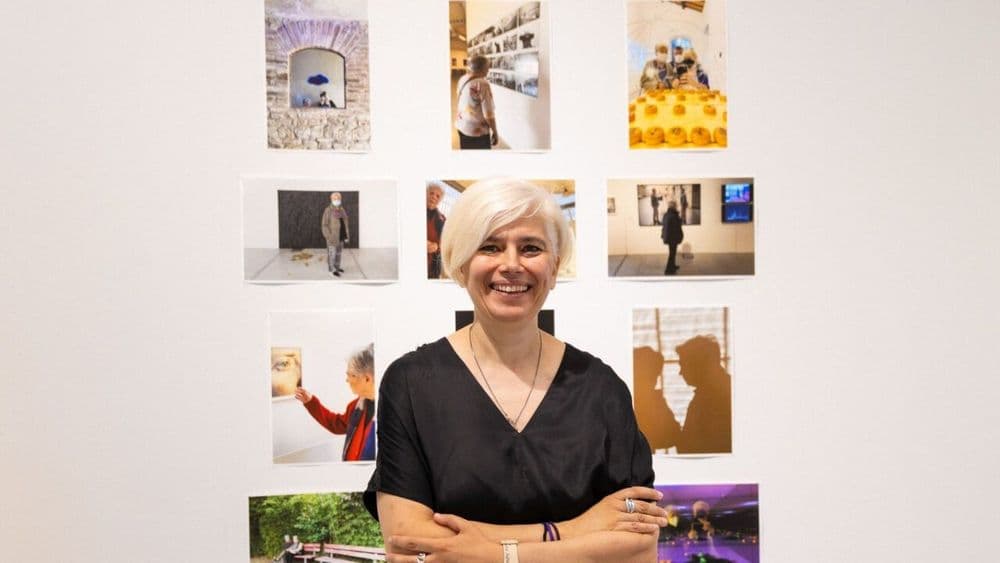
At Centro Pecci, Serena Becagli gives a changing relationship a form
Serena Becagli’s Mamma Mia Museum began with her mother’s everyday gestures. At Centro Pecci, photographs, videos and memories of museum visits show how art can offer a way to observe change without reducing a person to dementia.
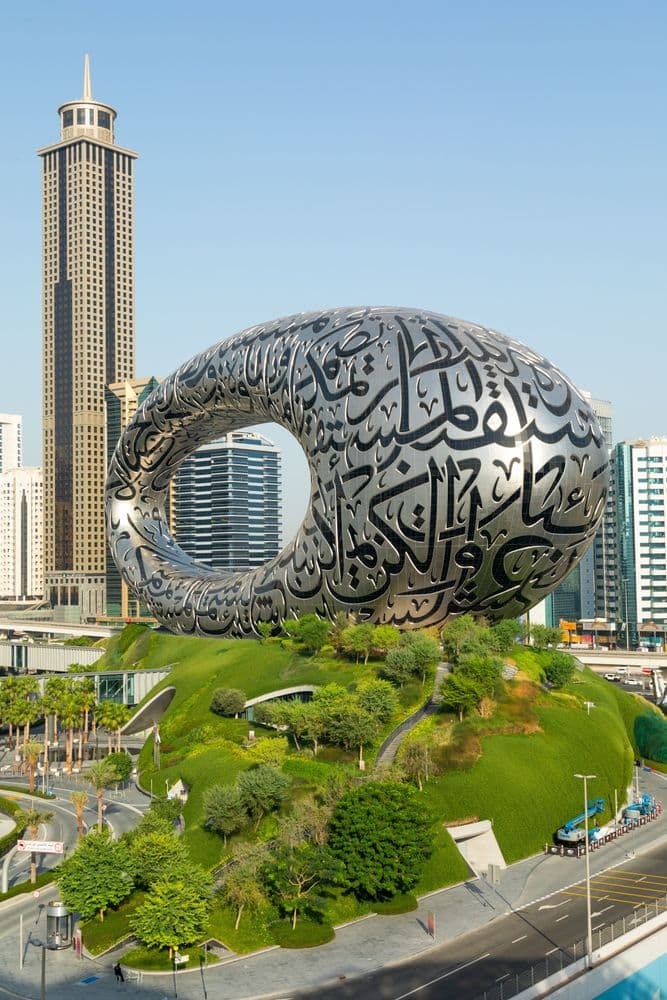
When calligraphy becomes architecture
At Dubai’s Museum of the Future, Arabic calligraphy is not applied as decoration. It shapes the building’s openings, controls the light and connects a historic art form with contemporary design and fabrication.
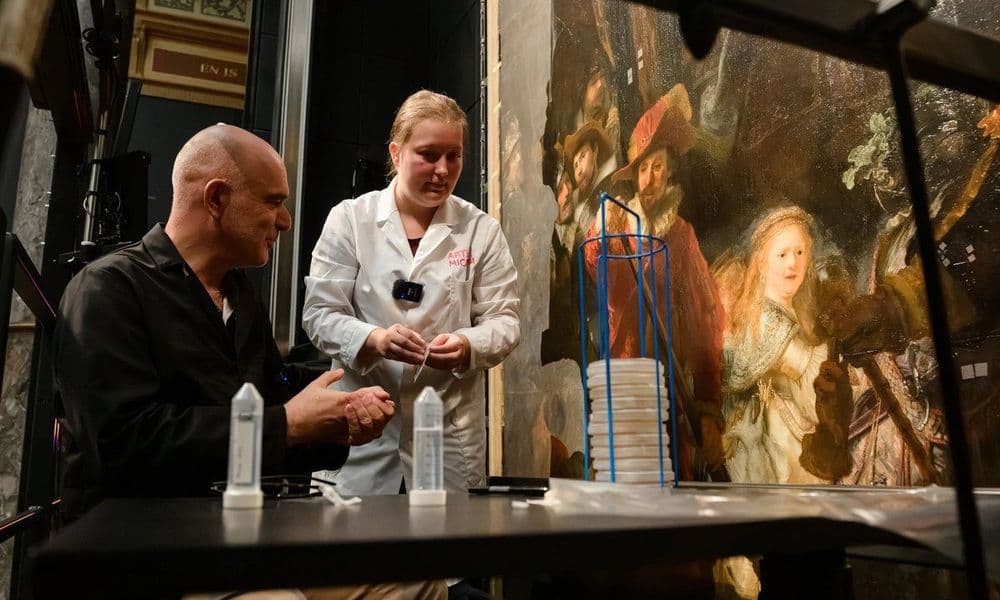
The Night Watch up close: micro-organisms, conservation and visitors
At the Rijksmuseum, researchers are sampling The Night Watch to study micro-organisms, conservation and the traces left by public life.
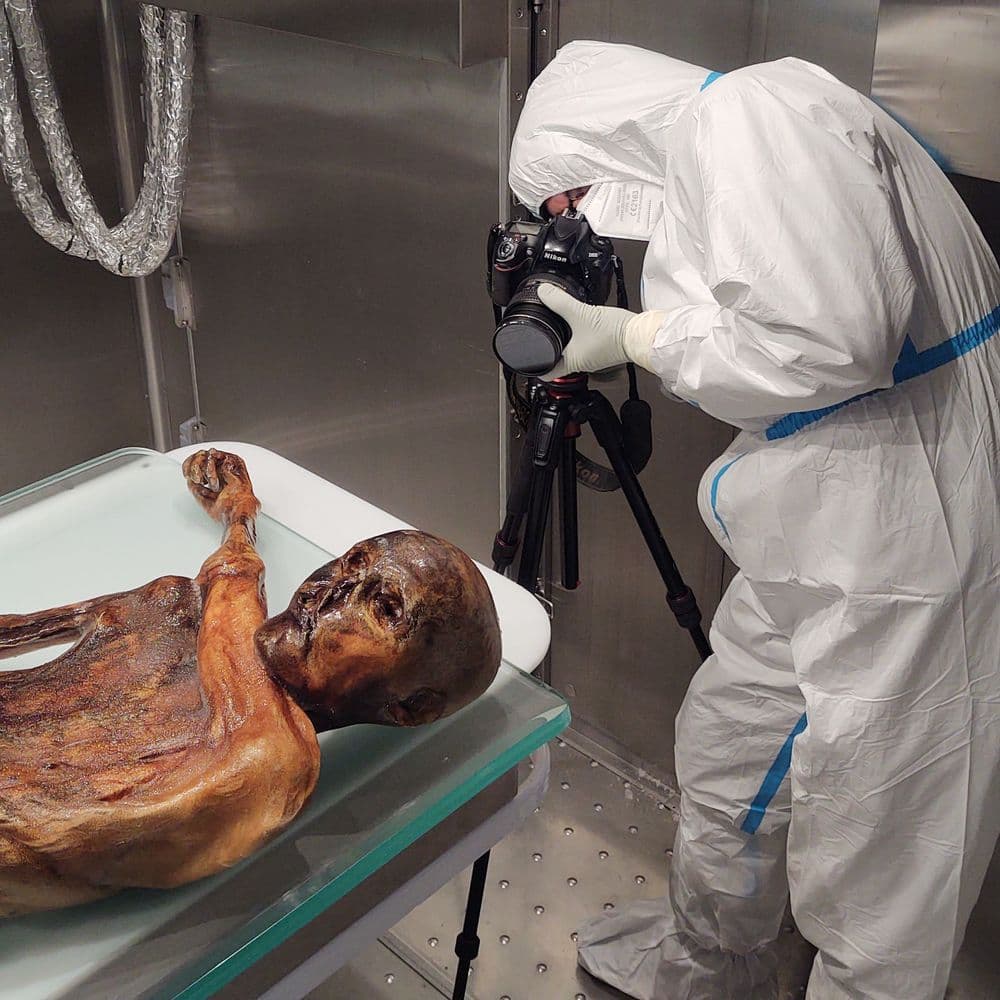
A digital model for studying Ötzi without repeatedly intervening on the mummy
High-resolution photography, computed tomography and artificial intelligence techniques bring together the body's surface, its internal anatomy and the objects found with the mummy in a single digital environment.
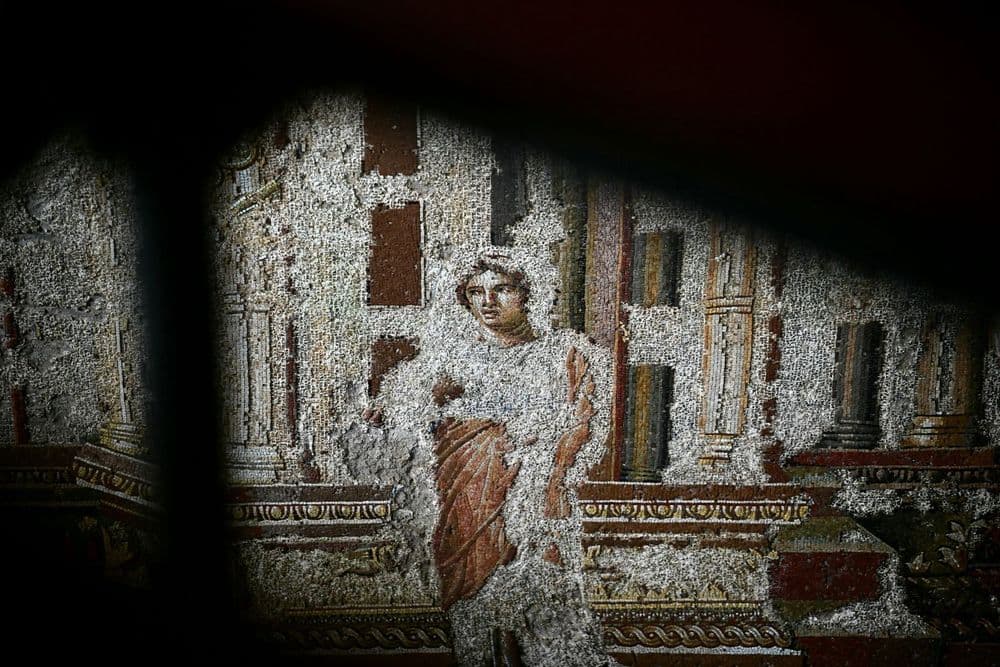
At Trajan’s Baths, opening to the public means continuing to study
The Painted City and the Great Mosaic can be visited for the first time in small groups. The experimental opening will make it possible to observe how people’s presence affects two delicate works that remain at the centre of archaeological research.
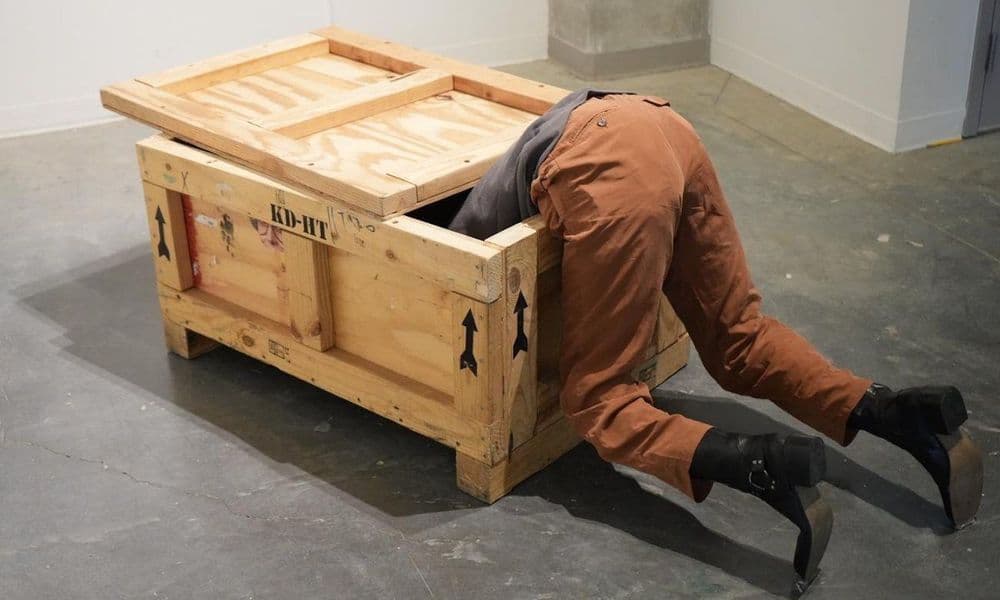
A sculpture in Vancouver was so convincing that firefighters broke down a gallery door to save it
A passerby saw feet sticking out from behind a counter and called 911. What police and firefighters found was a 2024 artwork, not a body.