Archive
Everything this edition has published, most recent first. Browse it whole, or narrow it down to one section and one period.
138 articles in this edition.
Se apre un’altra storia, va ridotta o eliminata.
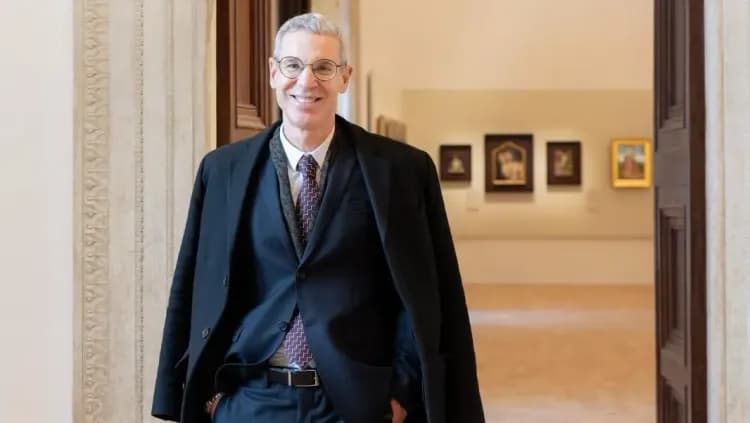
Bologna brings museum storage into the story of the collection
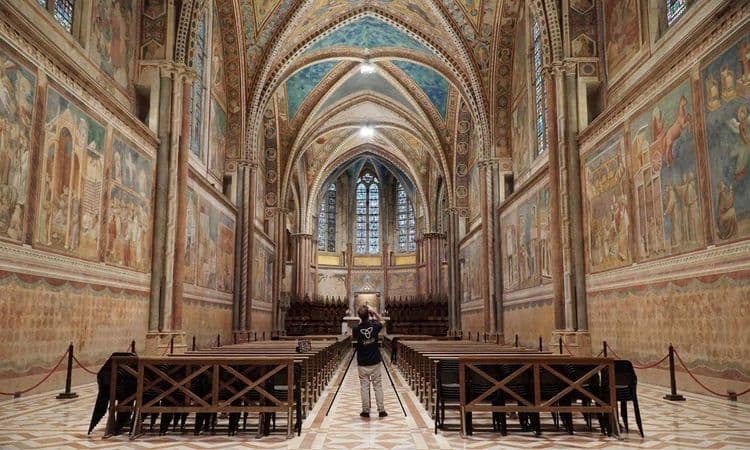
Assisi: photographing the basilica today to recognise change tomorrow
Preserving Assisi allows people to explore the spaces and frescoes of the Basilica of Saint Francis online. At the same time, the images are creating a reference that may help researchers understand how the site changes over time.
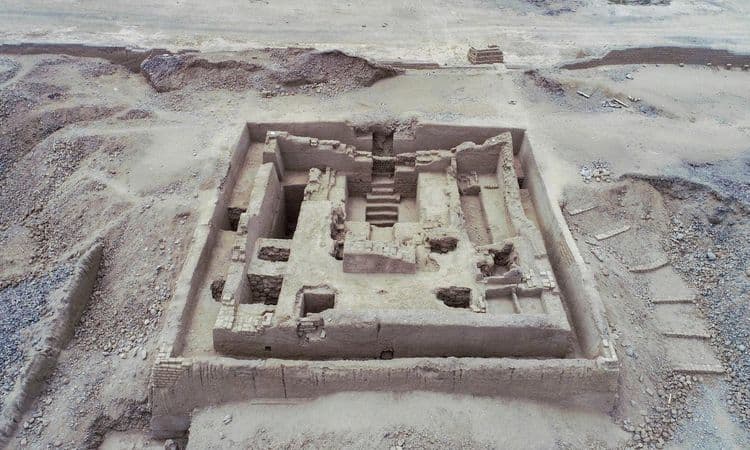
Chan Chan: a largely intact funerary context brings bodies, objects and Chimú rituals into relation
At the Peruvian site, the remains of 38 people were found together with objects associated with their burials. Their spatial arrangement offers archaeologists a rare opportunity to study an elite Chimú funerary context.
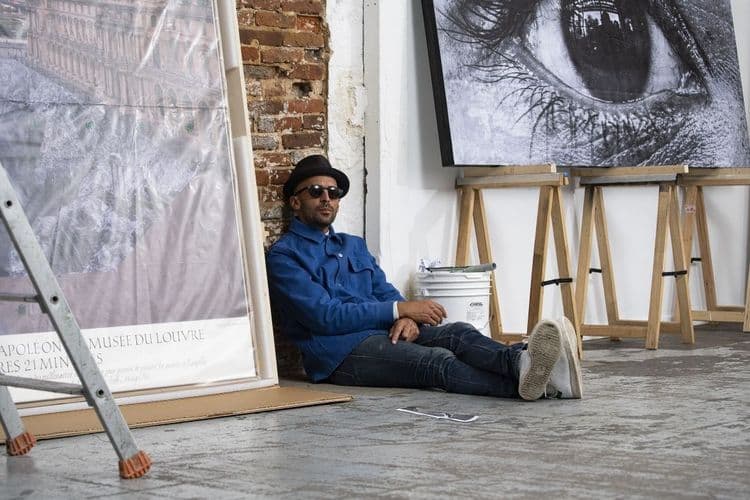
JR brings Doré’s Flood to the façade of the Vatican Library
Through Diluvium and Undae, the exhibition AQVA connects water with the fragility of books, the work of conservation and the possibility of turning a threat into knowledge.
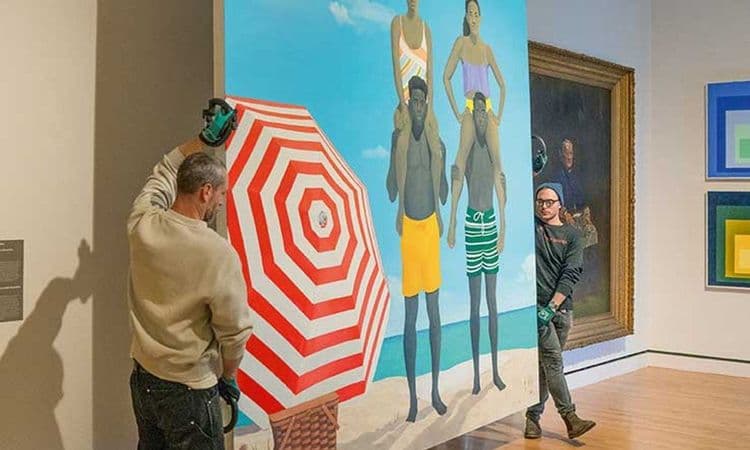
How do you move a three-metre painting without gripping its edges?
An external handling system allows large artworks to be moved while keeping hands away from their most vulnerable parts.
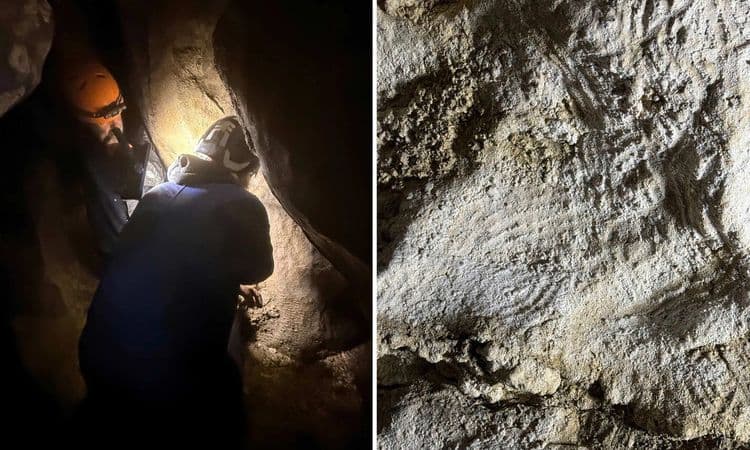
Eight caves in Ireland reopen the search for the island’s earliest human presence
Finger-made markings and traces of pigment are at the centre of a new archaeological investigation. Establishing when they were made could change what we know about human presence in Ireland.
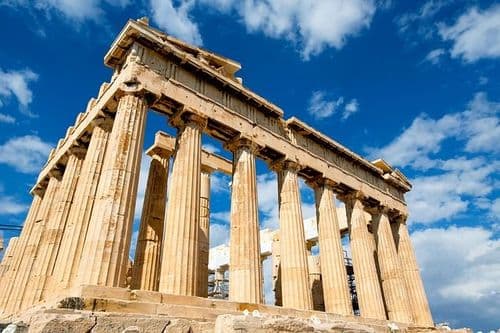
A study questions whether the Parthenon’s curves were optical corrections
The architectural features are measurable, but mathematician Alain Goriely argues that the evidence does not show they were designed to correct visual distortions.
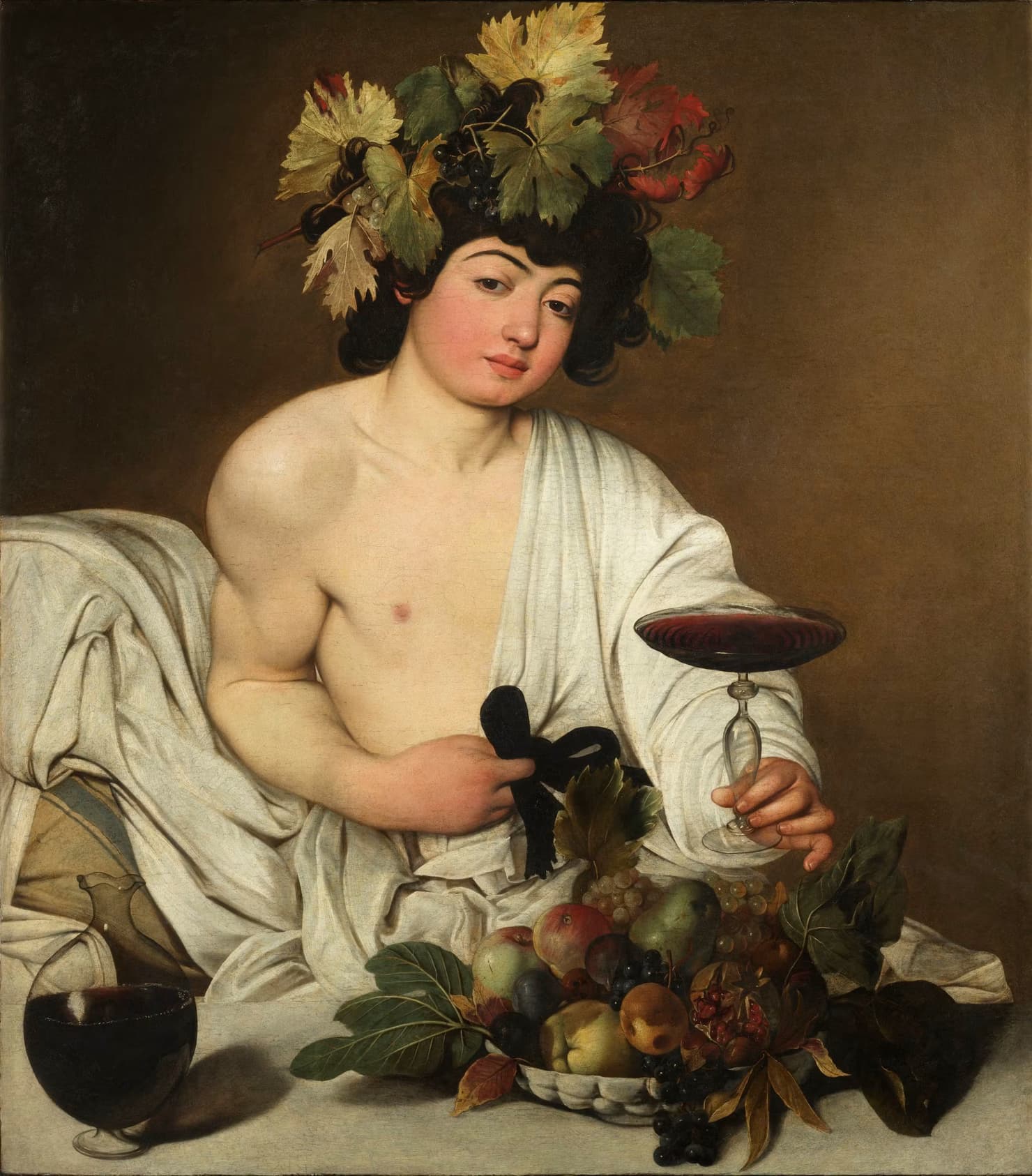
A leak at the Uffizi prompts precautionary removal of Bacchus
After more than 45 millimetres of rain fell in Florence in an hour, a small leak beneath a skylight led the Uffizi to remove the painting temporarily. The incident highlights how caring for artworks also means monitoring the buildings that house them.
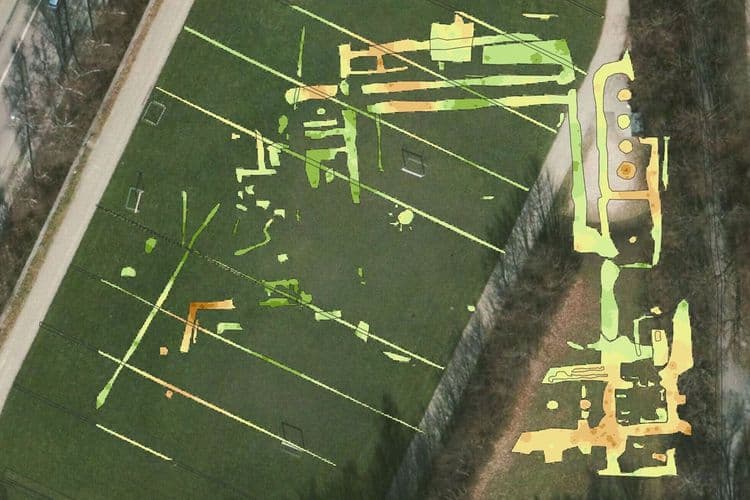
In Roskilde, georadar makes a hidden medieval convent visible beneath a football pitch
Georadar has revealed the layout of Roskilde’s long-lost convent of Saint Clare, helping archaeologists decide where to excavate and how to protect what remains.
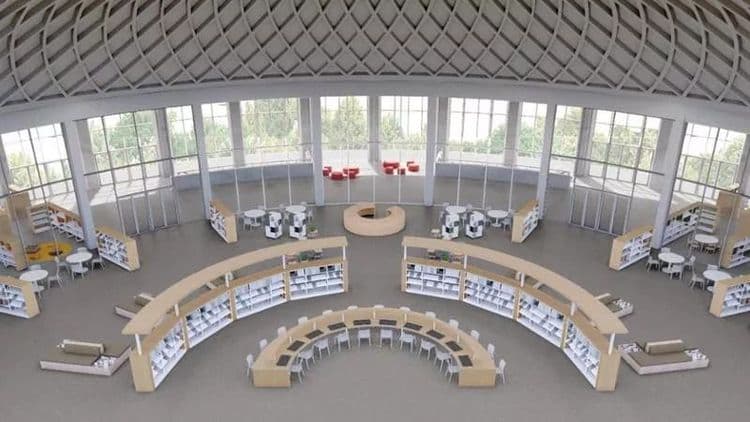
Torino Esposizioni is becoming a library for the city
From 11 December 2026, Turin’s Central Civic Library will occupy the historic Torino Esposizioni complex, bringing collections, study areas, family spaces and accessibility services into a landmark of twentieth-century architecture.
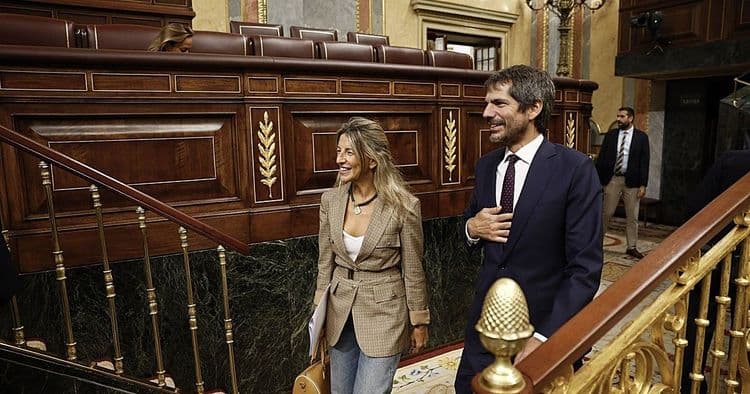
Voice, image and AI: Spain proposes new rules for artists’ work
A draft organic law would require written consent and separate payment when an artist’s voice, image or performance is used to create new AI-generated content beyond the work originally agreed.
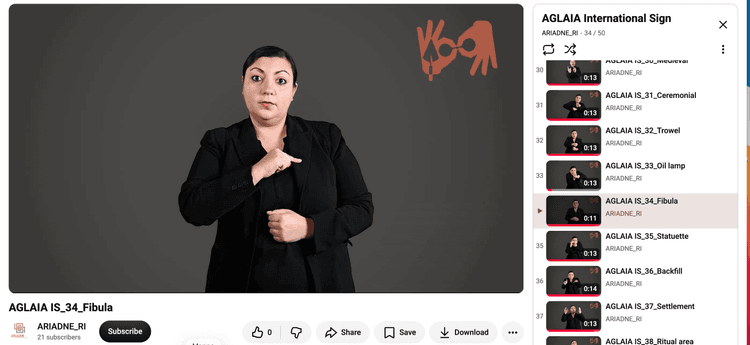
AGLAIA, an Archaeological Glossary in Italian Sign Language and International Sign
The project provides an initial selection of 50 archaeological terms to make content in museums and archaeological sites more accessible and to support the work of those who communicate archaeology to the public.
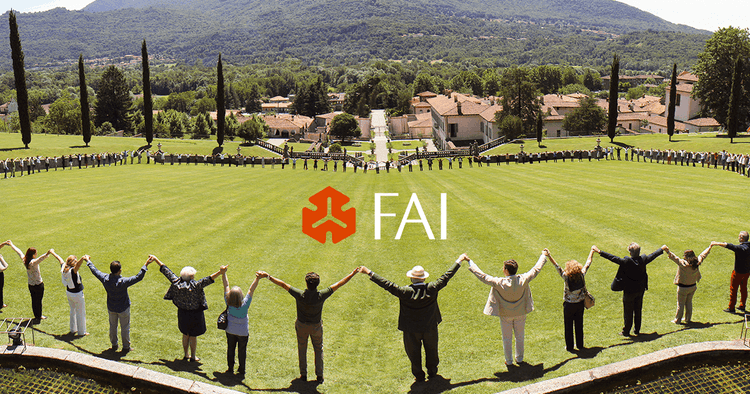
A Porte Aperte asks what it means to take part in culture
A national programme coordinated by FAI brings together cultural, educational and social organisations to make heritage more accessible, from the first visit to active participation.
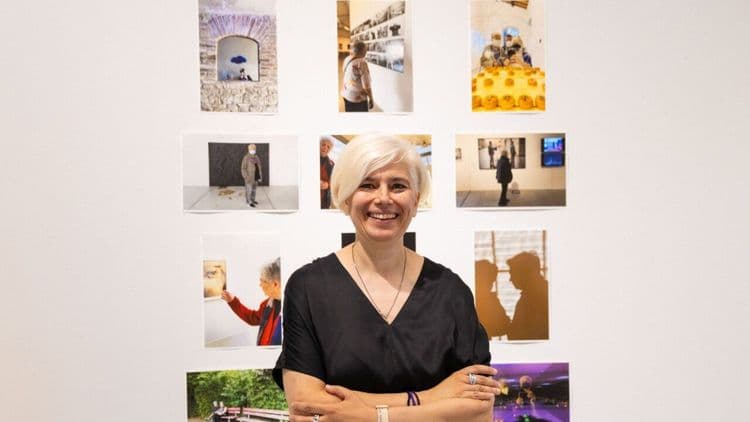
At Centro Pecci, Serena Becagli gives a changing relationship a form
Serena Becagli’s Mamma Mia Museum began with her mother’s everyday gestures. At Centro Pecci, photographs, videos and memories of museum visits show how art can offer a way to observe change without reducing a person to dementia.
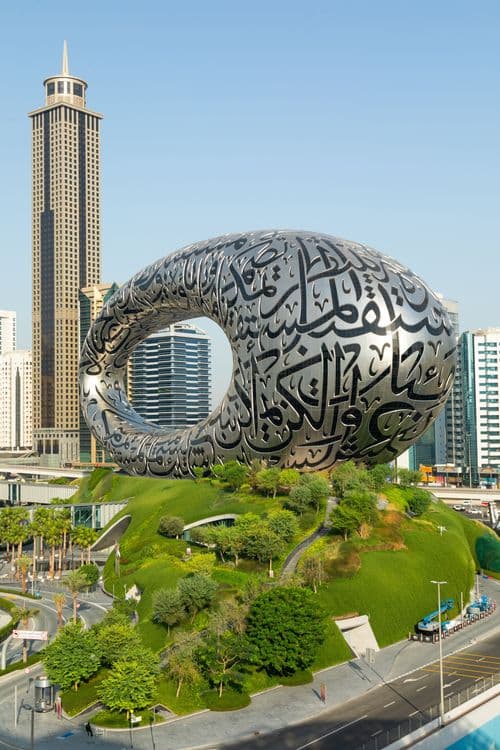
When calligraphy becomes architecture
At Dubai’s Museum of the Future, Arabic calligraphy is not applied as decoration. It shapes the building’s openings, controls the light and connects a historic art form with contemporary design and fabrication.
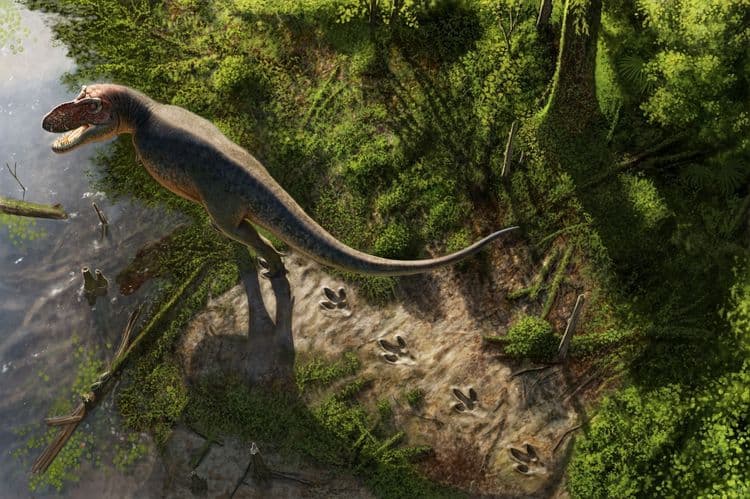
Four footprints preserve the stride of a possible T. rex
A trackway found in North Dakota may record the movement of an adult Tyrannosaurus rex 66.5 million years ago. Its three-dimensional preservation offers a rare glimpse of a single animal in motion.
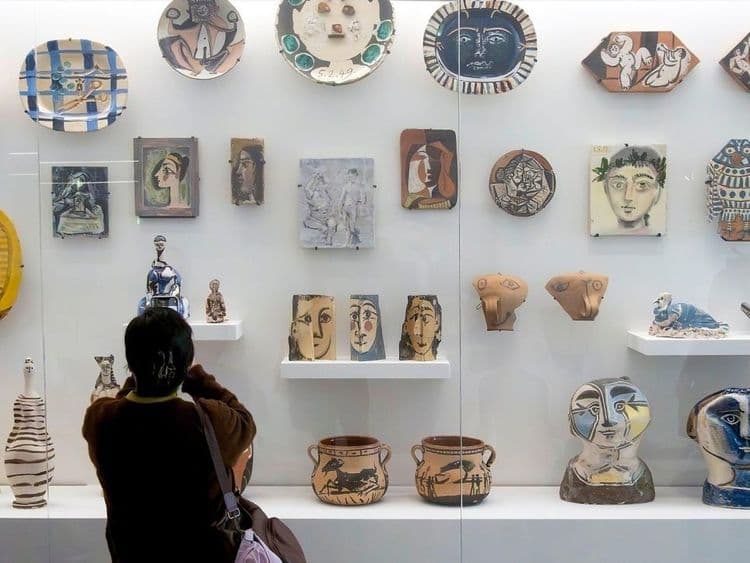
The Picasso Museum plans a public garden for around ten bronzes
Picasso's Paris museum plans to restore its seventeenth-century garden and place around ten bronzes there, free to view, as part of a €50 million transformation.
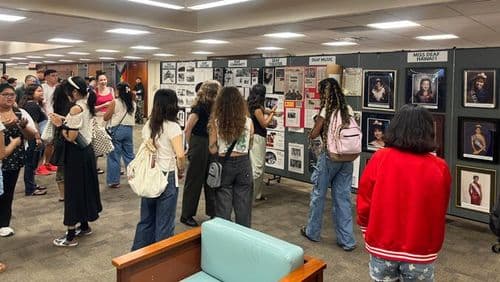
At UH Mānoa, a Deaf history museum puts community knowledge at the centre of language study
A new museum at UH Mānoa places more than a century of Hawaiʻi’s Deaf history beside the university’s study of ASL, making community knowledge part of its work.
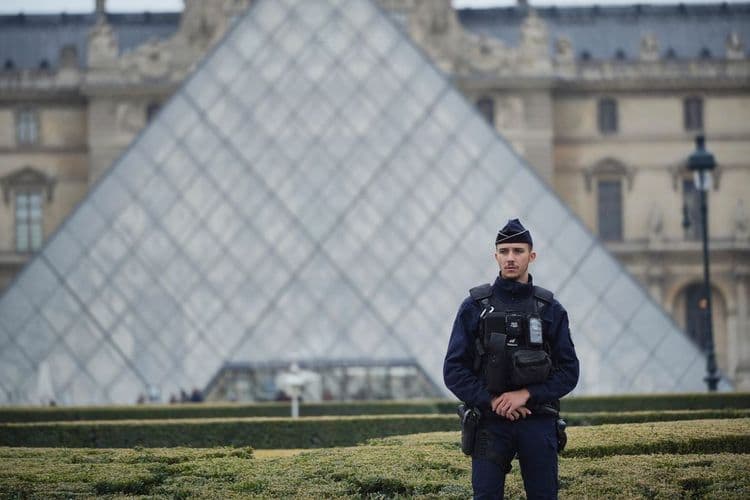
Protecting museum collections also means keeping them open to the public
Recent thefts have drawn attention to regional museums, whose collections can be as significant as those of national institutions but are often protected with fewer resources.
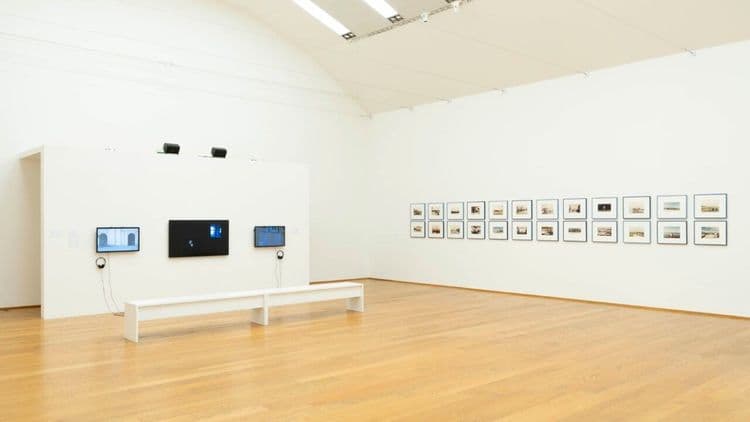
The ordinary landscape becomes a shared way of seeing in Ghirri and Celati’s Delta
At MAMbo, 81 photographs and the sounds of Celati’s film reveal how a shared attention to roads, people and pauses can make an ordinary landscape legible.
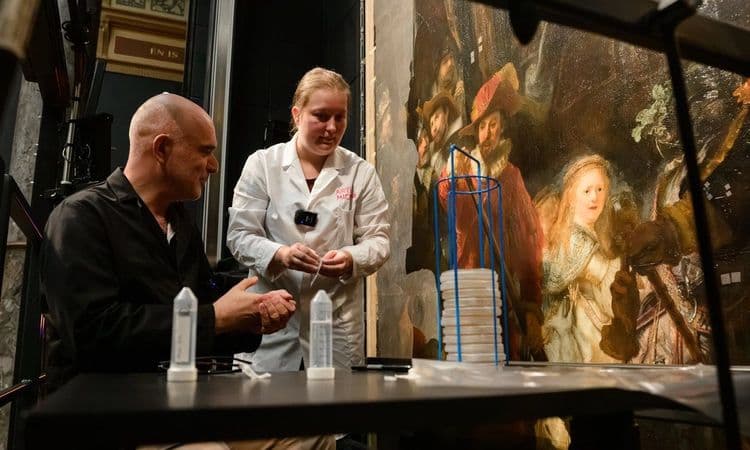
The Night Watch up close: micro-organisms, conservation and visitors
At the Rijksmuseum, researchers are sampling The Night Watch to study micro-organisms, conservation and the traces left by public life.
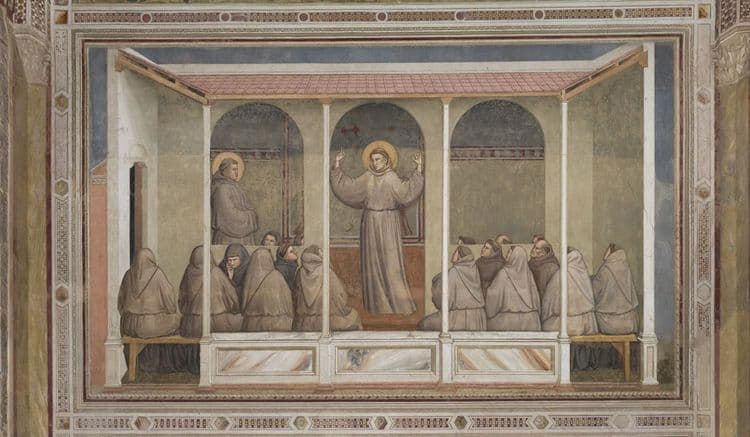
In the Bardi Chapel, restoration makes Giotto and the traces of time legible
After four years of work, the Stories of Saint Francis are once again visible in the Basilica of Santa Croce. The intervention consolidated the paintings and improved our understanding of the space designed by Giotto, without concealing the losses and transformations it has undergone over the centuries.
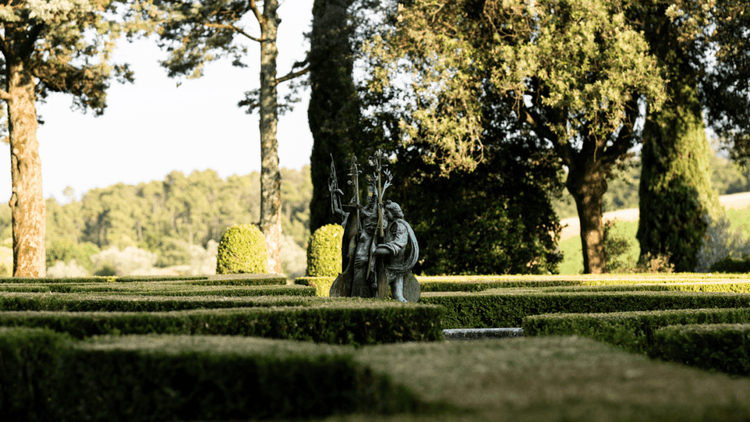
Planetarium: observing Chianti through contemporary art
Five events spanning dance and visual art brought the landscape of San Casciano into conversation with the memory of its places, the transformations of the present and the questions of contemporary life.
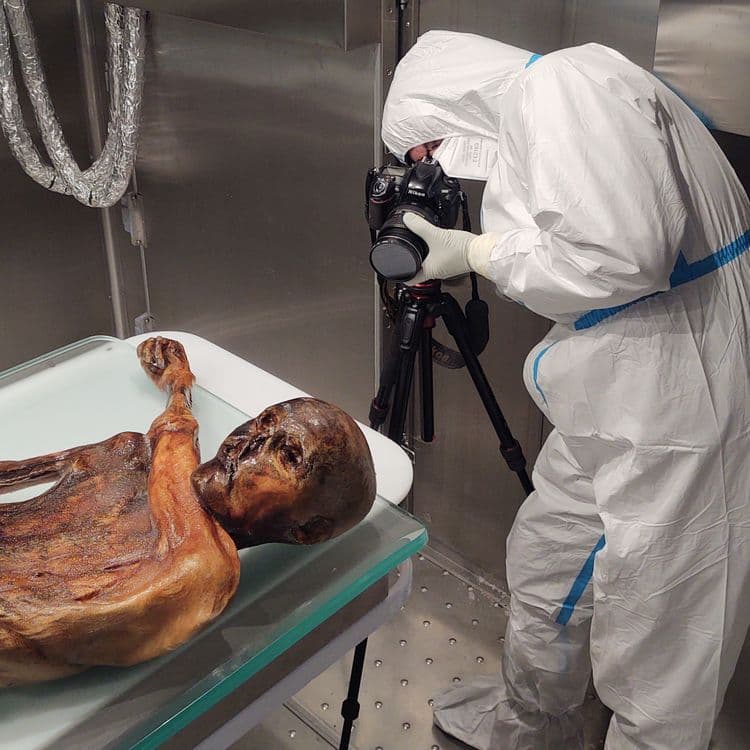
A digital model for studying Ötzi without repeatedly intervening on the mummy
High-resolution photography, computed tomography and artificial intelligence techniques bring together the body's surface, its internal anatomy and the objects found with the mummy in a single digital environment.