Archive
Everything this edition has published, most recent first. Browse it whole, or narrow it down to one section and one period.
245 articles in this edition.
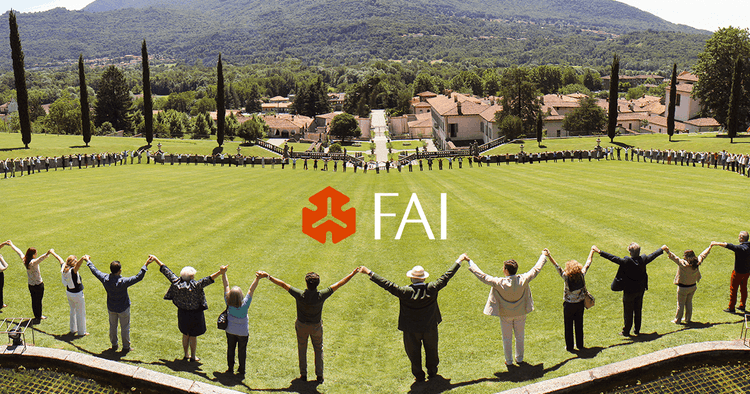
A Porte Aperte asks what it means to take part in culture
A national programme coordinated by FAI brings together cultural, educational and social organisations to make heritage more accessible, from the first visit to active participation.
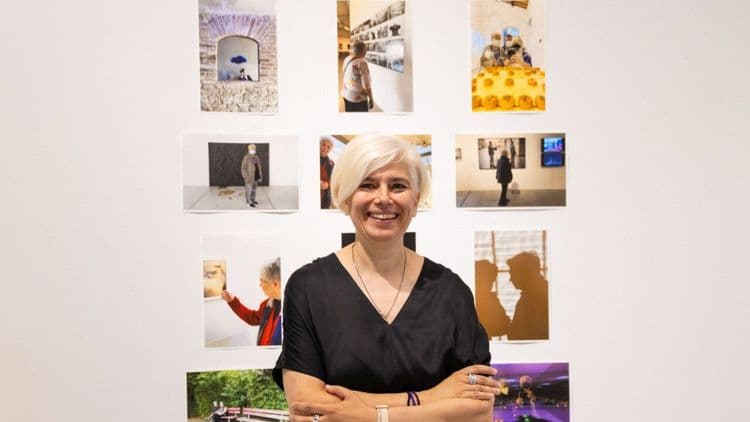
At Centro Pecci, Serena Becagli gives a changing relationship a form
Serena Becagli’s Mamma Mia Museum began with her mother’s everyday gestures. At Centro Pecci, photographs, videos and memories of museum visits show how art can offer a way to observe change without reducing a person to dementia.
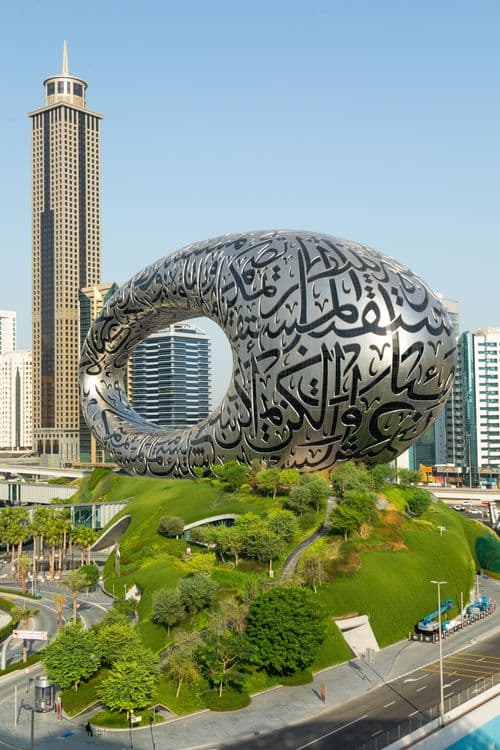
When calligraphy becomes architecture
At Dubai’s Museum of the Future, Arabic calligraphy is not applied as decoration. It shapes the building’s openings, controls the light and connects a historic art form with contemporary design and fabrication.
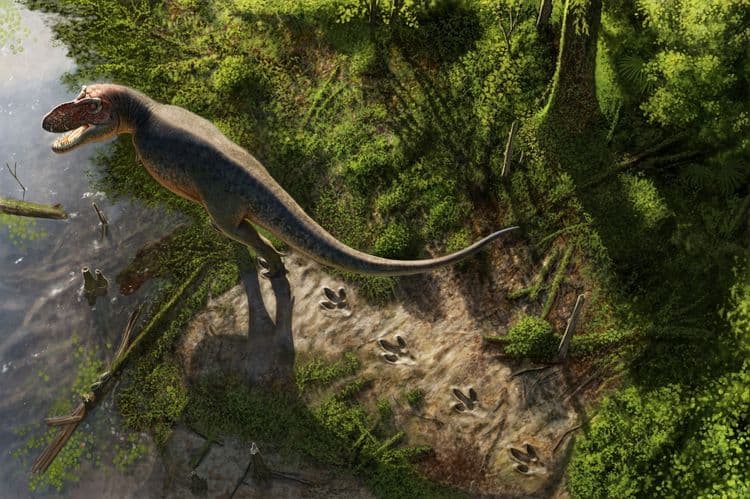
Four footprints preserve the stride of a possible T. rex
A trackway found in North Dakota may record the movement of an adult Tyrannosaurus rex 66.5 million years ago. Its three-dimensional preservation offers a rare glimpse of a single animal in motion.
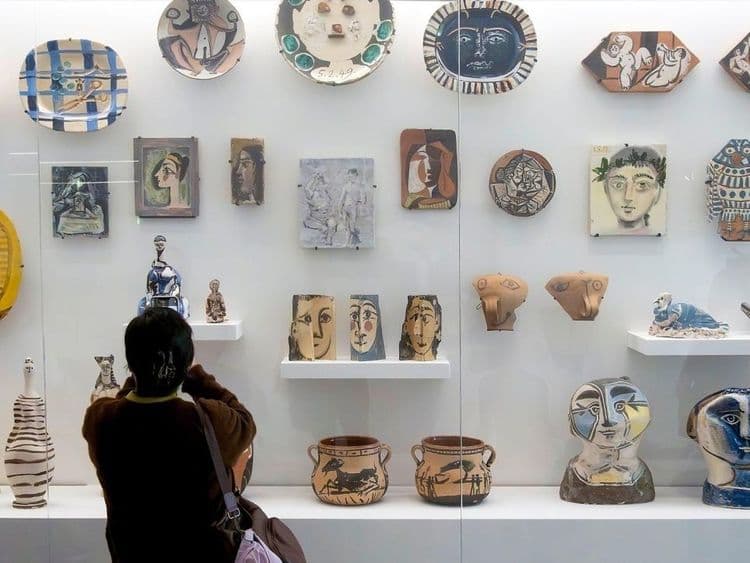
The Picasso Museum plans a public garden for around ten bronzes
Picasso's Paris museum plans to restore its seventeenth-century garden and place around ten bronzes there, free to view, as part of a €50 million transformation.
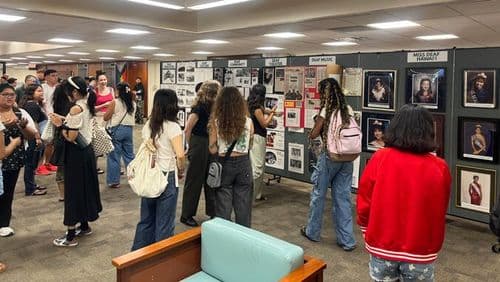
At UH Mānoa, a Deaf history museum puts community knowledge at the centre of language study
A new museum at UH Mānoa places more than a century of Hawaiʻi’s Deaf history beside the university’s study of ASL, making community knowledge part of its work.
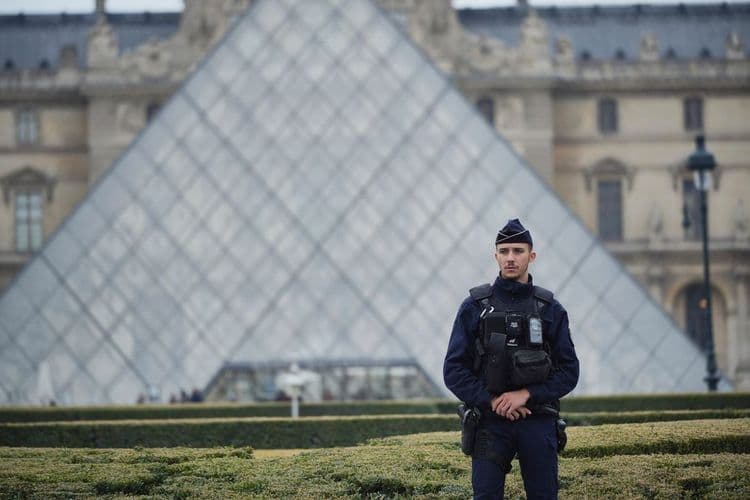
Protecting museum collections also means keeping them open to the public
Recent thefts have drawn attention to regional museums, whose collections can be as significant as those of national institutions but are often protected with fewer resources.
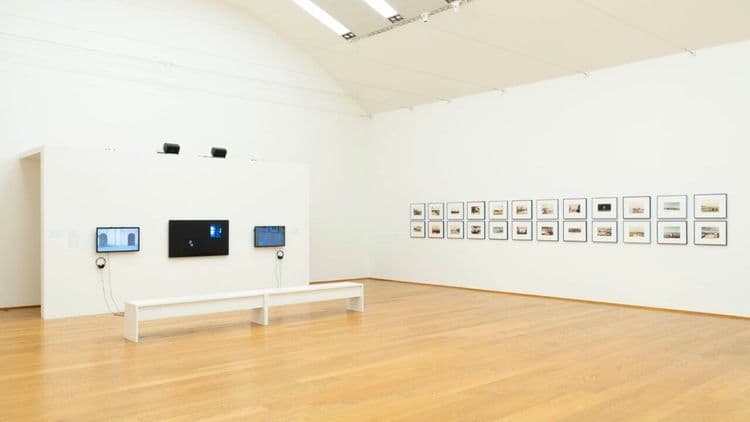
The ordinary landscape becomes a shared way of seeing in Ghirri and Celati’s Delta
At MAMbo, 81 photographs and the sounds of Celati’s film reveal how a shared attention to roads, people and pauses can make an ordinary landscape legible.
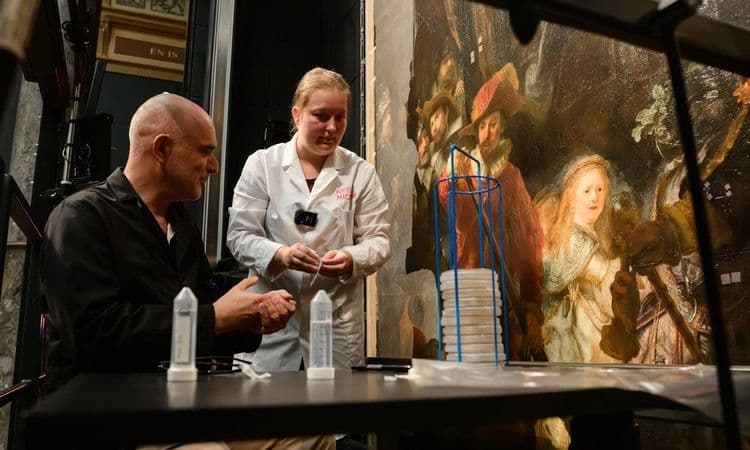
The Night Watch up close: micro-organisms, conservation and visitors
At the Rijksmuseum, researchers are sampling The Night Watch to study micro-organisms, conservation and the traces left by public life.
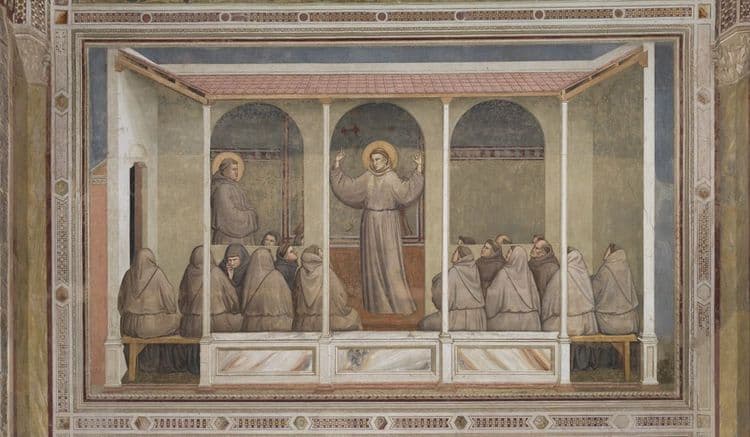
In the Bardi Chapel, restoration makes Giotto and the traces of time legible
After four years of work, the Stories of Saint Francis are once again visible in the Basilica of Santa Croce. The intervention consolidated the paintings and improved our understanding of the space designed by Giotto, without concealing the losses and transformations it has undergone over the centuries.
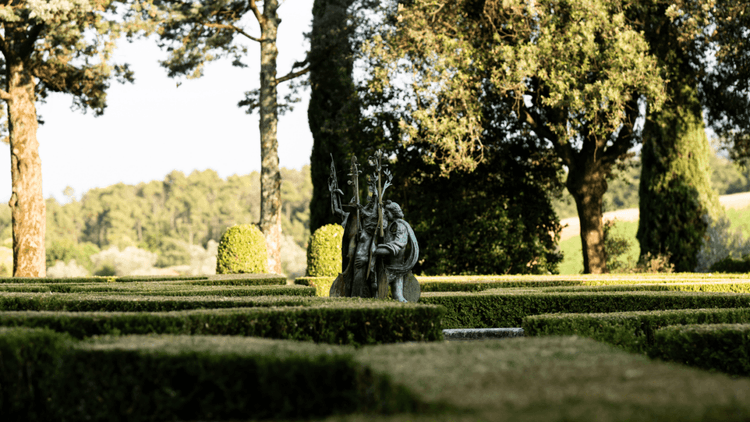
Planetarium: observing Chianti through contemporary art
Five events spanning dance and visual art brought the landscape of San Casciano into conversation with the memory of its places, the transformations of the present and the questions of contemporary life.
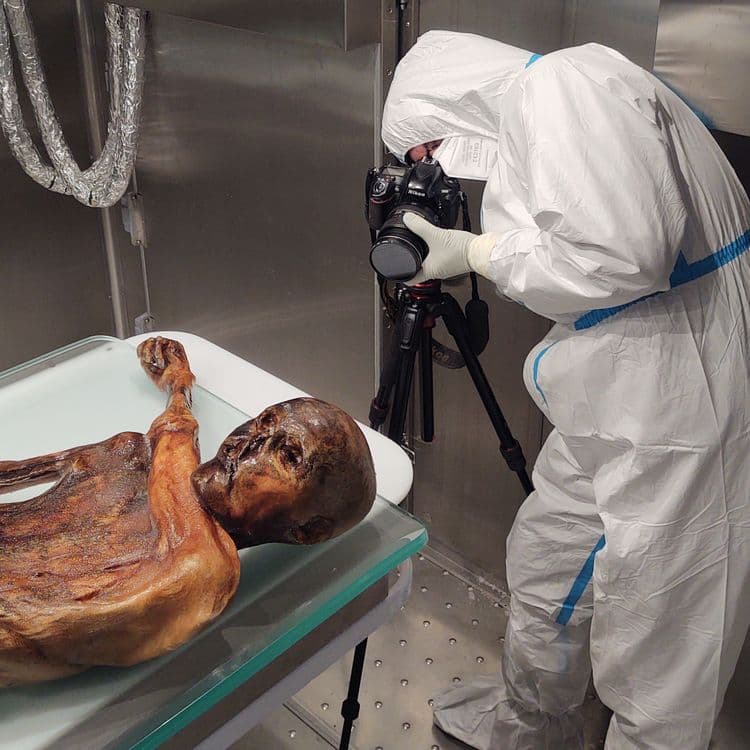
A digital model for studying Ötzi without repeatedly intervening on the mummy
High-resolution photography, computed tomography and artificial intelligence techniques bring together the body's surface, its internal anatomy and the objects found with the mummy in a single digital environment.
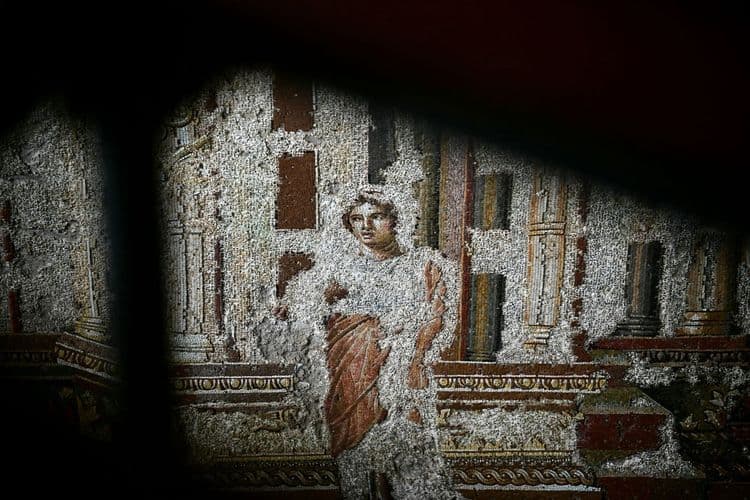
At Trajan’s Baths, opening to the public means continuing to study
The Painted City and the Great Mosaic can be visited for the first time in small groups. The experimental opening will make it possible to observe how people’s presence affects two delicate works that remain at the centre of archaeological research.
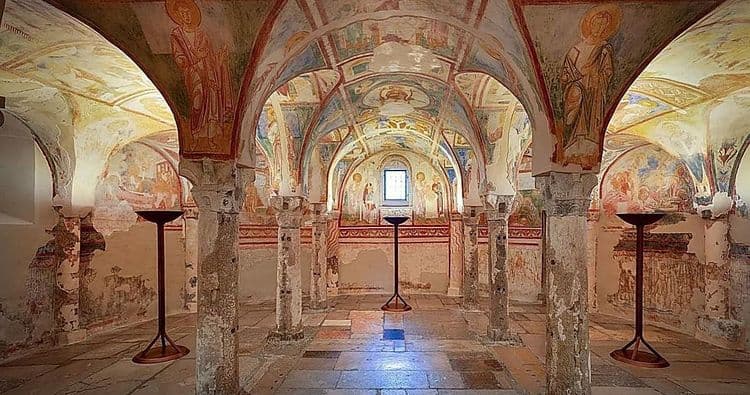
When a manuscript becomes a relic: the Gospel of Mark returns to Aquileia
After seven centuries, the three surviving parts of a sixth-century Gospel have been brought together once again. Their history shows how a book can become a community’s memory, an object of devotion and a source of political authority.
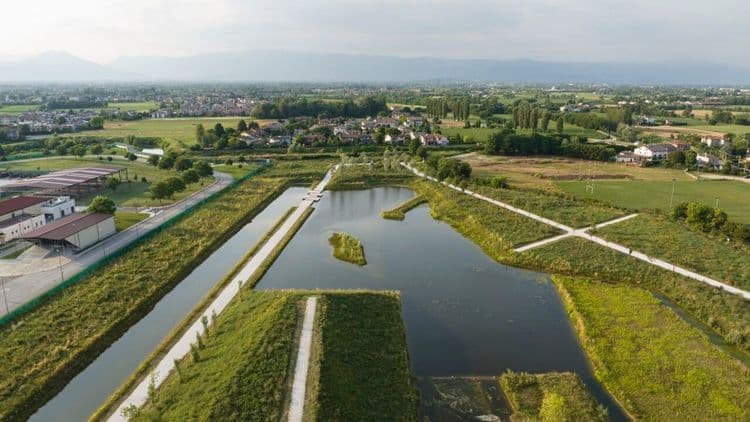
Vicenza’s Parco della Pace: a public space built with water and time
The former Dal Molin airport has become a 65-hectare park combining flood management, biodiversity and collective life. The project is one of five finalists for the 2026 European Prize for Urban Public Space.
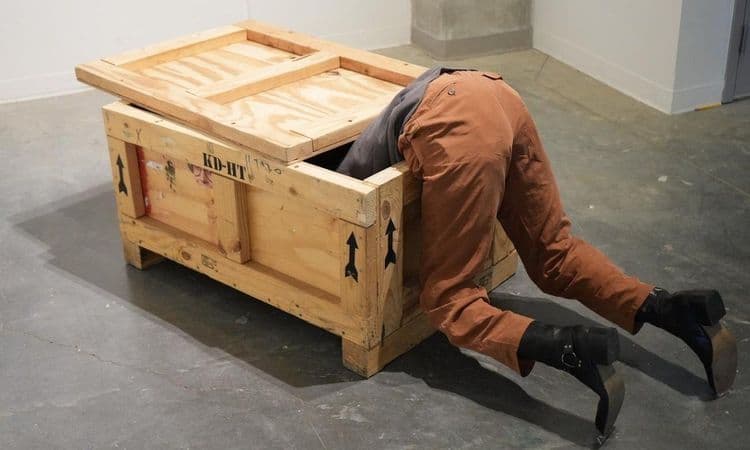
A sculpture in Vancouver was so convincing that firefighters broke down a gallery door to save it
A passerby saw feet sticking out from behind a counter and called 911. What police and firefighters found was a 2024 artwork, not a body.
A princess was told photography was not a job for women. She spent seventy years proving otherwise.
Claude d'Orléans was discouraged from photojournalism in 1955 for being a woman, and a princess. An exhibition in Florence shows what she shot instead.
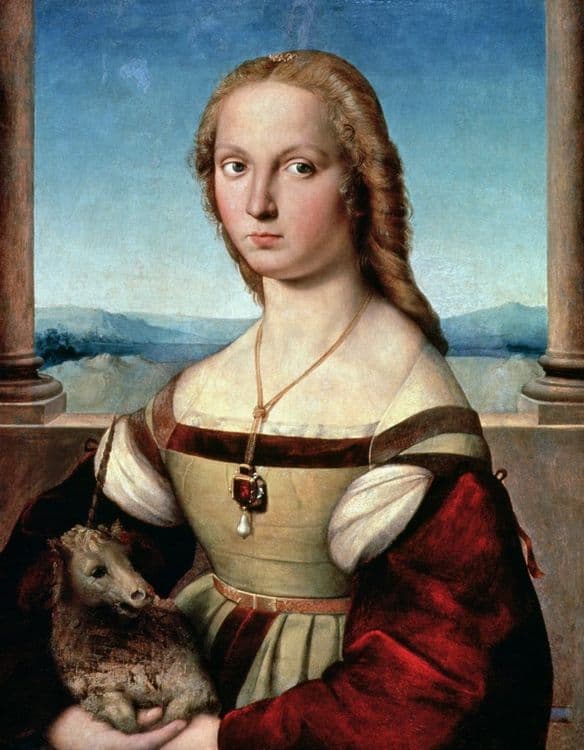
Raphael painted a dog, then hid it under a unicorn, and the woman who owns both stares out with eyes nobody can name
X-rays found a faithful little dog beneath Raphael's famous unicorn. The animal changed twice; the identity of the woman holding it has never been settled at all.
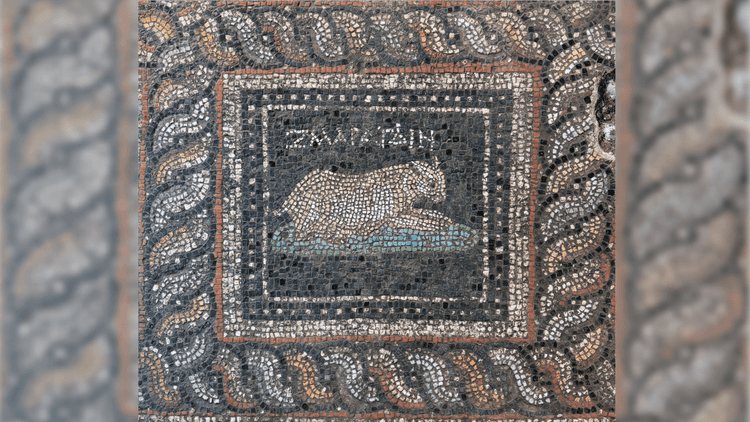
A Roman pet owner named the family cat before naming the family
A 1,800-year-old mosaic in southern Turkey labels a cat 'Emerald' and a dog 'Ocean', giving two household pets the kind of individual identity Roman art rarely bothered to record.
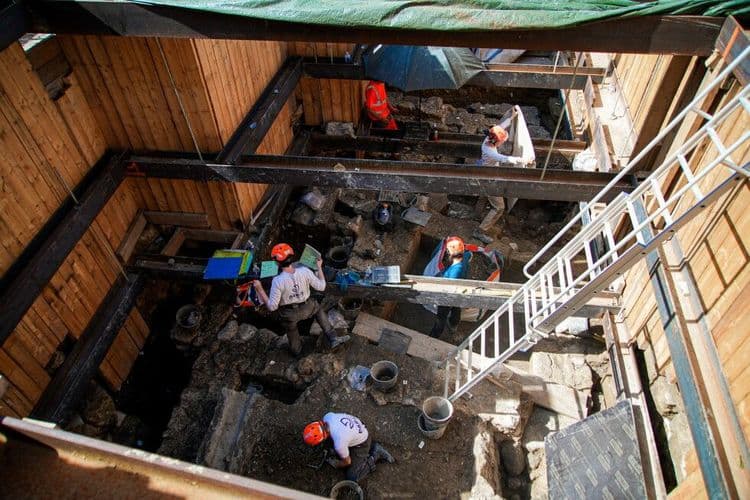
Four Metres Under the Notre Dame Ticket Queue, an Archaeologist Is Standing in the Fourth Century
Four metres under Notre Dame's forecourt, archaeologists are racing through 1,700 years of Paris before the square gets its new trees. Roman coins, medieval latrines and writing no one can read.
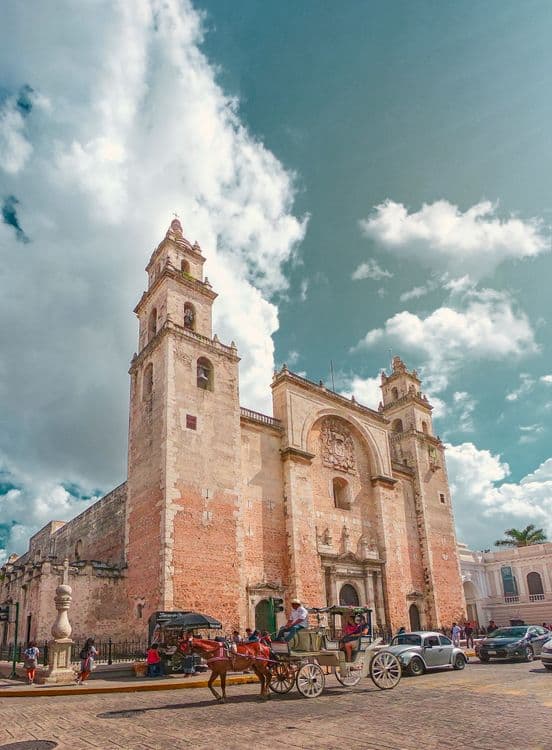
For four centuries a chair killed no one, but everyone in Valladolid believed it did
A sixteenth-century chair bolted upside down to a wall in Valladolid was blamed for the deaths of two caretakers and two students. New research says the devil had nothing to do with it.
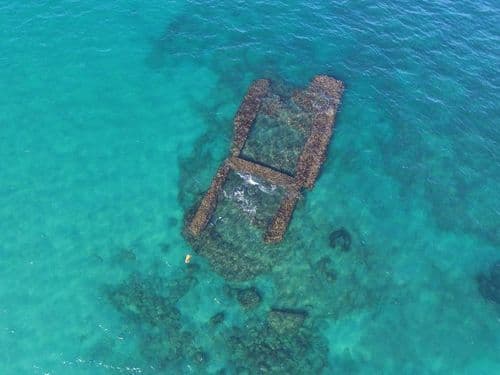
A Roman harbour is emerging from the sand off Puglia, and it may have welcomed the man who became Augustus
Divers off Le Cesine are back at a submerged Roman harbour that may be where a young Octavian landed in 44 BC, on his way to becoming Augustus.
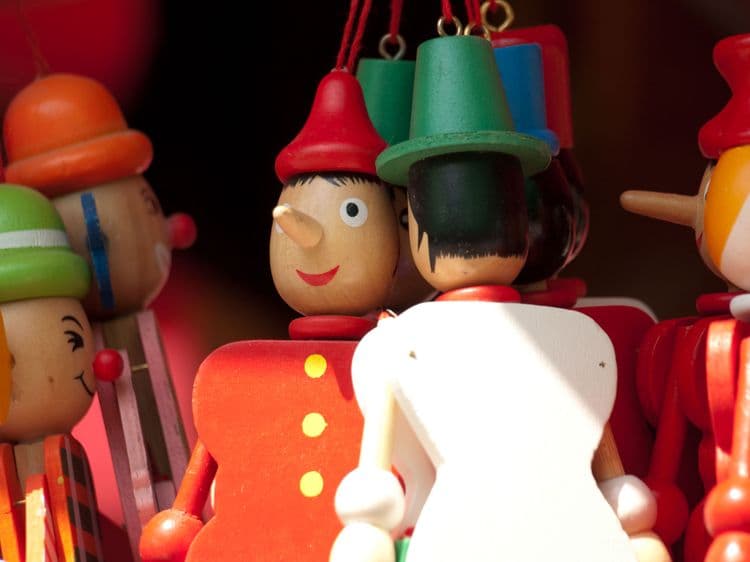
A Puppet with No Strings Attached to Just One Country
Two centuries after Carlo Collodi's birth, Pinocchio is being claimed all over again, this time by New York, through cinema, scholarship and a Brooklyn bookshop.
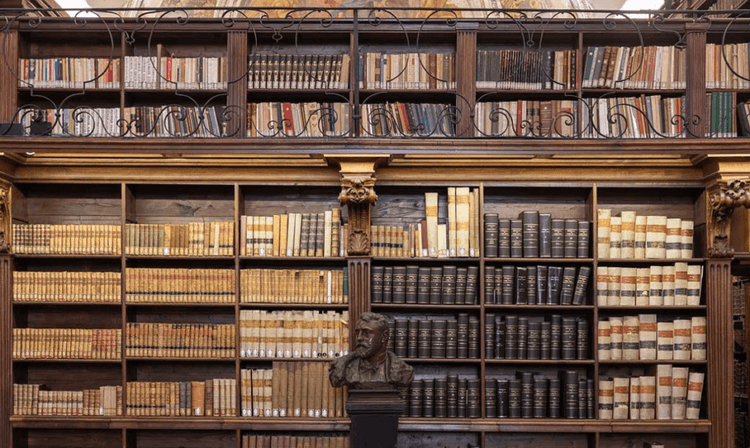
Rome's National Library of Archaeology and Art History Just Closed Its Doors After 104 Years, and No One Can Say When They Will Reopen
On 7 September 2026, Palazzo Venezia's storied research library shut for a move to Palazzo San Felice, with no confirmed reopening date before 2027.